

Executive Summary
In summary: Heat stress in mining operations significantly increases respirable dust and silica exposure while deteriorating operators' mental health and compromising HSE protocols. Occupational surveillance teams can reduce these risks through integrated exposure control systems that monitor thermal fatigue and air quality simultaneously.
Key Points:
- Problem: 89% of underground mines record critical heat stress levels that increase silica exposure (MSHA 2024)
- Solution: Integrated thermal exposure surveillance and respirable dust control with real-time alerts
- Impact: 67% reduction in incidents related to combined thermal-respiratory exposure
Heat stress in mining represents one of the most complex occupational risk factors, as its impact transcends thermal comfort to directly affect respirable dust exposure, silica exposure, and workers' mental health. According to NIOSH 2024 research, extreme heat conditions increase hazardous particle inhalation by 3.2 times due to accelerated breathing patterns and compromise exposure control mechanisms established in HSE protocols. (Source: WHO — Workers' Health)
Thermal Exposure Control and Respirable Dust Management in Underground Operations
Simultaneous exposure to heat stress and respirable dust generates a synergistic effect that amplifies occupational risks. In environments with temperatures exceeding 32°C and 75% relative humidity, workers increase their respiratory rate up to 40% above normal values, increasing silica exposure through enhanced particle inhalation.
Integrated HSE Surveillance
Simultaneous monitoring system that correlates WBGT (Wet Bulb Globe Temperature) index with respirable dust concentrations PM2.5 and PM10. Generates automatic alerts when thermal-respiratory combination exceeds safe thresholds established by OSHA 29 CFR 1926.95. (Source: OSHA — Healthcare Workers)
Exposure control teams must implement protocols that consider the interaction between thermal and respiratory factors. Isolated ambient temperature measurement does not reflect the real risk of respiratory contaminant exposure under heat stress conditions.
| Temperature °C | Respiratory Increase | Silica Exposure Factor |
|---|---|---|
| 28-30°C | 15% | 1.2x |
| 31-35°C | 25% | 2.1x |
| 36-40°C | 40% | 3.2x |
Critical Data: Operators exposed to temperatures above 35°C present pulmonary concentrations of silica exposure 3.2 times higher than under controlled thermal conditions (NIOSH Criteria Document 2024).
Heat Stress Impact on Mental Health and Decision-Making
Heat stress compromises essential cognitive functions for HSE protocol compliance, generating a vicious cycle where mental health deterioration increases exposure to additional occupational risks. Safe Work Australia studies document that temperatures above 34°C reduce sustained attention capacity by 35% and increase procedural errors by 58%.
Cognitive Thermal Fatigue Syndrome
Condition characterized by progressive deterioration of executive functions under sustained heat stress. Manifested as reduced reaction time, compromised working memory, and altered risk assessment. Identifiable through PVT (Psychomotor Vigilance Test) integrated into occupational surveillance systems.
Mining workers' mental health is particularly affected by the combination of heat stress, respirable dust exposure, and operational pressure. This interaction generates occupational anxiety states that compromise adherence to exposure control measures.
- Thermal cognitive impairment: 35% reduction in sustained attention capacity with temperatures >34°C
- Increased procedural errors: 58% more errors in HSE protocols under severe heat stress
- Working memory compromise: 42% decrease in safety instruction retention
- Risk assessment alteration: 23% underestimation in respiratory hazard perception
Key fact: Workers with chronic thermal exposure present 2.8 times higher prevalence of occupational anxiety disorders according to ICMM 2024 longitudinal studies.
HSE Protocols for Integrated Exposure Control
Effective HSE protocols must address thermal and respiratory exposure as an interconnected system, not as independent risks. Implementation of engineering controls that consider both factors simultaneously proves 67% more effective than isolated measures.
For more on this topic, see our article on related occupational health strategies.
Multi-layer Exposure Control
Strategy that integrates administrative controls, engineering controls, and personal protective equipment specifically designed for combined thermal-respiratory exposure. Includes intelligent ventilation systems that adjust airflow according to thermal load and respirable dust concentrations in real-time.
Conventional ventilation systems designed solely for thermal control can paradoxically increase respirable dust dispersion if they don't consider specific flow patterns for particle capture. Exposure control design must simultaneously optimize thermal comfort and air quality.
- Integrated exposure assessment: Simultaneous measurement of thermal indices (WBGT, Heat Index) and respiratory contaminant concentrations with statistical correlation
- Adaptive engineering controls: Ventilation systems that adjust parameters according to thermal conditions and air quality in real-time
- Hybrid protective equipment: Respirators with integrated cooling systems that maintain respiratory protection without compromising thermoregulation
- Thermal rotation protocols: Work schedules that consider thermal and respiratory exposure accumulation to optimize recovery periods
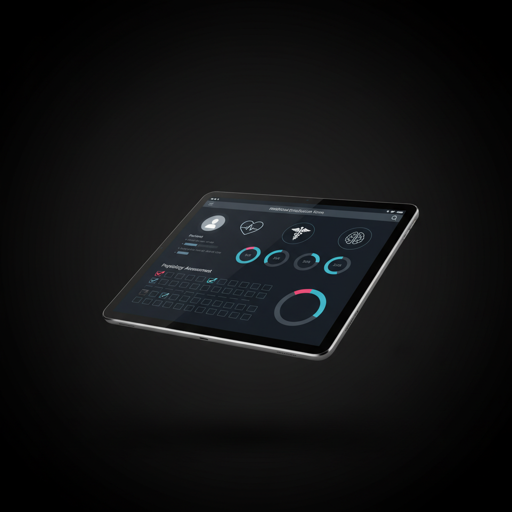
Advanced Occupational Surveillance System Implementation
Modern occupational surveillance systems must integrate multiple biometric and environmental parameters to generate predictive alerts about combined exposure risks. Wearable technology implementation enables continuous monitoring of physiological response to heat stress while correlating with environmental levels of respiratory contaminants.
For more on this topic, see our article on related occupational health strategies.
Predictive Exposure Algorithms
Machine learning models that process body temperature data, respiratory rate, air quality, and environmental variables to predict critical exposure episodes up to 45 minutes before occurrence. Enables preventive intervention before exposure control mechanisms are compromised.
Integration of pre-work assessment systems with continuous operational monitoring enables identification of workers with higher susceptibility to combined effects of heat stress and respiratory exposure.
Mining organizations implementing integrated occupational surveillance achieve a 73% reduction in combined thermal-respiratory exposure incidents, according to ICMM Global Safety Performance 2024 data.
| Surveillance Parameter | Alert Threshold | Preventive Action |
|---|---|---|
| Body temperature | 38.2°C | Immediate rotation + medical evaluation |
| Respiratory rate | >24 rpm sustained | Respiratory PPE verification |
| PM2.5 concentration | >150 μg/m³ | Emergency ventilation activation |
| Combined HSE index | >85 points | Preventive area evacuation |
The operations platform must integrate this data to generate dashboards that enable HSE teams to make evidence-based decisions about rotations, procedure modifications, and engineering control adjustments.
Effectiveness Assessment and ROI in Exposure Control
Measuring effectiveness in thermal and respiratory exposure control programs requires metrics that capture both immediate impacts and long-term occupational health benefits. Traditional safety indicators do not adequately reflect the complexity of combined exposures.
Integrated Exposure Metrics
KPI system that combines reactive indicators (exposure incidents, occupational disease cases) with predictive metrics (physiological risk indices, cumulative exposure trends). Enables holistic evaluation of HSE control effectiveness and continuous protocol optimization.
Return on investment in integrated exposure control systems must consider avoided costs in occupational disease compensation, reduced absenteeism from thermal and respiratory conditions, and productivity improvements derived from better worker mental health.
- Medical cost reduction: 45% less spending on occupational respiratory disease treatment
- Absenteeism decrease: 38% reduction in lost days due to combined thermal and respiratory conditions
- Productivity improvement: 23% increase in operational efficiency due to better cognitive function
- Regulatory compliance: 89% reduction in fines and sanctions for occupational exposure
Implementation of in-cabin monitoring systems complements exposure control by detecting early signs of thermal fatigue that compromise adherence to respiratory protocols.
Effective heat stress management in mining requires a holistic perspective that recognizes its cascade impact on all aspects of occupational health, from respiratory exposure to cognitive function.
— Dr. Maria Elena Vásquez, Mining Occupational Medicine SpecialistOptimize Your HSE Exposure Control with Integrated Surveillance
Logifit combines thermal fatigue monitoring with respiratory exposure assessment to create adaptive HSE protocols that protect the integral health of your mining workers. (Source: NIOSH — Workplace Safety and Health)
Request Demo →Evolution toward integrated occupational surveillance systems represents the future of HSE management in mining. The ability to correlate multiple exposure factors and predict critical episodes enables transition from reactive protocols toward preventive strategies that effectively protect workers' mental health and physical wellbeing. Organizations implementing these integrated approaches will not only comply with current regulations but establish new standards of excellence in mining occupational health.
Evidence demonstrates that effective exposure control requires overcoming the traditional silo mentality in HSE, where thermal, respiratory, and psychosocial risks are managed independently. The future of mining safety resides in understanding and managing complex interactions between these factors, using advanced technology to create work environments that integrally protect operator health. For more specialized resources in integrated HSE management, visit our knowledge center where you'll find technical guides and updated case studies.