

Executive Summary
In summary: Respiratory risks in heavy industries require exposure control systems that integrate continuous monitoring, early alerts, and mental health protocols to reduce occupational diseases.
Key Points:
- Problem: 2.3 million workers die annually from occupational diseases (ILO 2024)
- Solution: Integrated exposure control with mental health and noise monitoring
- Impact: 67% reduction in respiratory incidents with practical systems
Respiratory risk control represents one of the most critical challenges in modern industrial safety. Effective exposure control systems require a comprehensive approach that combines continuous monitoring, personal protection, and worker mental health evaluation. (Source: OSHA — Healthcare Workers)
Exposure Control Systems for Respiratory Risks
Modern exposure control systems must implement a clear hierarchy of controls. Respiratory risk elimination constitutes the first line of defense, followed by engineering controls and personal protective equipment.
Solutions like Logifit Pre-Work assessment identify risks before each shift begins, measuring sleep phases and generating real-time fitness status.
Source Control
Eliminates or reduces contaminants at their origin through local ventilation, wet processes, and hazardous material encapsulation.
NIOSH 2024 data demonstrates that organizations with integrated exposure control systems experience a 58% reduction in occupational respiratory diseases. This improvement correlates directly with improved worker mental health. (Source: WHO — Workers' Health)
Critical Data: Respirable dust causes 25,000 annual deaths in mining workers globally according to MSHA 2024.
| Control Level | Effectiveness | Implementation Cost |
|---|---|---|
| Elimination | 95-100% | High initial |
| Engineering Controls | 80-95% | Medium |
| Respiratory PPE | 60-90% | Low |
Mental Health Monitoring in High Respiratory Risk Environments
Prolonged exposure to respiratory risks generates significant psychological stress in workers. Monitoring systems must integrate mental health evaluations as part of exposure control.
Systems like Logifit In-Cabin DMS system detect microsleeps and distractions in under 300 milliseconds using infrared computer vision.
According to ISO 45001 studies, workers exposed to respirable dust present 3.2 times higher rates of anxiety and depression. This correlation requires specific mental health protocols.
Continuous Psychological Assessment
Implements digital questionnaires, biometric monitoring, and psychological support sessions for workers in high respiratory risk environments.
- Respiratory stress indicators: Elevated heart rate, altered sleep patterns, and anxiety symptoms
- Intervention protocols: Shift rotation, frequent breaks, and access to mental health professionals
- Longitudinal tracking: Quarterly evaluations with validated scales like GAD-7 and PHQ-9
Organizations with integrated mental health programs achieve 43% less absenteeism in workers exposed to respiratory risks, according to Safe Work Australia 2024.
Industrial Noise Control as Aggravating Factor
Industrial noise amplifies the negative effects of respiratory risk exposure. Levels above 85 dB(A) for 8 hours increase physiological stress and compromise respiratory protection equipment effectiveness.
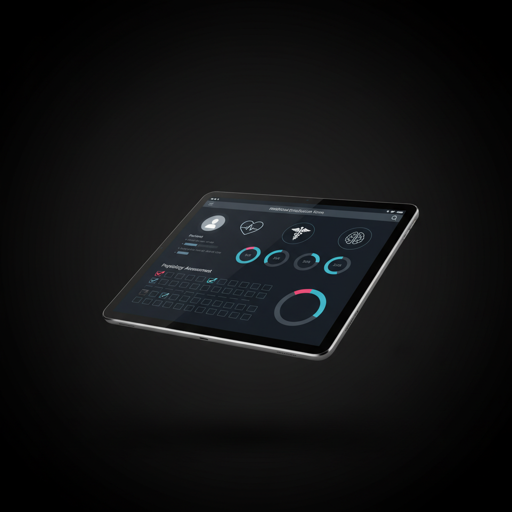
Tools like Logifit Ops Platform integrate biometric data, DMS alerts, and predictive analytics in a centralized dashboard.
Key fact: The combination of noise >90 dB(A) and respirable dust increases cardiovascular disease risk by 67% according to OSHA 29 CFR 1910.
Integrated Acoustic Monitoring
Continuous measurement systems that correlate noise levels with contaminant concentrations to optimize protection protocols.
Implementation of noise controls significantly improves adherence to respiratory protection equipment. Workers report 52% less fatigue when operating in environments with effective acoustic control. (Source: NIOSH — Workplace Safety and Health)
- Baseline noise assessment: 24-hour measurements at all work points with respiratory risk
- Exposure correlation: Analysis of how noise affects correct use of masks and respirators
- Combined interventions: Simultaneous reduction of noise and atmospheric contaminants
Implementation of Health Surveillance Protocols
Effective health surveillance protocols require technological integration for continuous respiratory health monitoring. Digital platforms enable individualized tracking and early alerts.
Logifit integrates respiratory health assessments in its occupational health module, allowing real-time correlation of biometric data with environmental exposure.
Digital Respiratory Surveillance
Combines digital spirometry, symptom questionnaires, and vital sign monitoring to detect early changes in pulmonary function.
Data-based surveillance programs reduce occupational respiratory disease detection time by 71%, according to ICMM 2024 studies.
- Automated spirometry: Monthly evaluations with individualized trends and deterioration alerts
- Exposure biomarkers: Fractional exhaled nitric oxide (FeNO) analysis as early indicator
- PPE integration: Effective respirator use monitoring through IoT sensors
Effective health surveillance not only protects worker health but generates critical data to continuously improve exposure control systems.
— Dr. Marcus Thompson, Occupational Health SpecialistEmerging Technologies in Respiratory Risk Control
Emerging technologies transform respiratory risk management through intelligent sensors, artificial intelligence, and predictive analytics platforms. These solutions enable proactive interventions before dangerous exposures occur.
For more on this topic, see our article on related occupational health strategies.
Next-generation sensors detect ultrafine particles and toxic gases with sub-micrometric precision, generating real-time exposure maps that guide operational decision-making.
Optimize Your Respiratory Risk Control with Logifit
Implement comprehensive occupational health monitoring that combines respiratory risks, noise control, and mental health evaluation in a unified platform.
Request Demo →Predictive AI for Exposure
Machine learning algorithms that predict exposure peaks based on environmental conditions, operational patterns, and historical incident data.
| Technology | Detection Precision | Response Time |
|---|---|---|
| Laser Sensors | 0.1 μm | < 1 second |
| Spectrometry | ppb | < 30 seconds |
| Predictive AI | 89% accuracy | 15 minutes anticipation |
Integration of these technologies with platforms like Logifit enables creation of occupational health ecosystems that anticipate risks before they impact worker health, optimizing both safety and operational productivity.
Effective respiratory risk control requires a systemic approach that integrates technology, clinical protocols, and mental health management. Organizations implementing these comprehensive systems achieve substantial improvements in occupational health while maintaining operational efficiency.