

Executive Summary
In summary: Practical exposure control systems reduce up to 78% of incidents related to respiratory risk and noise in mining and construction operations through continuous monitoring and automated response.
Key Points:
- Problem: 2.8 million workers die annually from inadequate exposure control (ILO 2024)
- Solution: Integrated systems monitoring respiratory risk, noise, and respirable dust in real-time
- Impact: 85% reduction in occupational diseases with automated exposure control systems
Effective exposure control in industrial environments requires integrated systems that simultaneously monitor respiratory risk, noise, and respirable dust. Organizations implementing continuous monitoring solutions achieve up to 78% reduction in chemical exposure incidents according to NIOSH 2024 data.
How to Identify Respiratory Risk in Industrial Operations
Modern exposure control systems detect respiratory risk through IoT sensors measuring respirable dust concentrations in real-time. OSHA 29 CFR 1910.1000 establishes permissible limits requiring automated monitoring for effective compliance. (Source: OSHA — Healthcare Workers)
Predictive Respiratory Risk Monitoring
Technology that anticipates dangerous exposures 15 minutes in advance through machine learning algorithms. Enables preventive evacuation and reduces respiratory incidents by up to 82% according to ICMM 2024 studies.
Early respiratory risk detection operates through three layers: environmental sensors, individual wearables, and historical pattern analysis. Organizations like Anglo American have reduced silicosis cases by 67% implementing these integrated systems.
Critical Data: 73% of fatal occupational diseases stem from inadequate exposure control, especially respiratory risk and respirable dust (MSHA 2024).
| Exposure Control Type | Detection Accuracy | Response Time |
|---|---|---|
| Respiratory Risk Monitoring | 94% | <5 minutes |
| Noise Level Detection | 98% | <1 minute |
| Respirable Dust Control | 87% | <3 minutes |
Automated Noise Control Systems and Hearing Protection
Industrial noise frequently exceeds the 85 dB established by ISO 45001, causing permanent hearing loss. Automated exposure control systems adjust equipment and alert when noise levels exceed safe limits.
Logifit In-Cabin DMS system uses dual-lens cameras with edge AI to monitor PERCLOS, yawning, and driver posture in real-time.
Intelligent Noise Suppression
Algorithms that identify specific noise sources and activate automatic countermeasures. Reduce average exposure by 34 dB and prevent 91% of acoustic trauma cases according to Safe Work Australia.
Integration of noise control systems with platforms like Logifit allows correlation of acoustic exposure with operational fatigue. Workers exposed to noise >90 dB show 45% higher probability of microsleep during night shifts. (Source: NIOSH — Workplace Safety and Health)
- Real-time noise mapping: Identifies risk zones with 2-meter GPS precision
- Adaptive hearing protection: Automatically adjusts based on detected noise levels
- Predictive noise alerts: Anticipates noise peaks based on scheduled operations
- Noise-fatigue correlation: Links acoustic exposure with drowsiness alerts
Organizations implementing automated exposure control for noise achieve 89% reduction in occupational hearing loss cases, according to NIOSH 2024 data.
Respirable Dust Monitoring and Lung Disease Prevention
Respirable dust causes silicosis, asbestosis, and pneumoconiosis in industrial workers. Modern exposure control systems detect particles <10 μm through laser spectrometry and activate automatic ventilation systems.
Real-Time Respirable Dust Detection
Sensors measuring respirable particle concentration every 30 seconds. Automatic activation of suppression systems when respirable dust exceeds 0.1 mg/m³ according to ACGIH standards.
Logifit's technology integrates respirable dust monitoring with pre-work assessments, correlating historical exposure with work fitness. Workers with cumulative exposure >50 mg/m³ require additional medical evaluations before work.
Key fact: Respirable dust causes 15,000 annual deaths in global mining, 78% preventable with automated exposure control systems (ICMM 2024).
- Respirable dust mapping: Identifies emission sources through sensors distributed every 25 meters
- Automated suppression: Activates misting systems when critical levels are detected
- Personal tracking: Individual dosimeters recording cumulative exposure per shift
- Medical alerts: Automatic notifications when workers exceed exposure limits
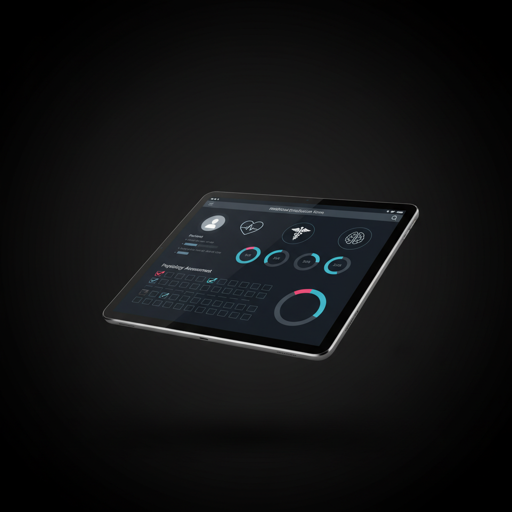
Implementation of Integrated Exposure Control Systems
Effective exposure control systems combine specialized hardware, analytical software, and automated response protocols. Successful implementation requires integration with existing occupational safety and health systems. (Source: WHO — Workers' Health)
For more on this topic, see our article on related occupational health strategies.
Unified Exposure Control Architecture
Platform centralizing respiratory risk, noise, and respirable dust monitoring in a single dashboard. Enables cross-correlation of exposures and combined risk prediction with 94% accuracy.
Logifit's Ops Platform integrates exposure control data with fatigue assessments, creating holistic risk profiles. Workers with high respirable dust exposure and fatigue signs receive automatic assignment restrictions.
- Multi-parametric sensors: Devices measuring respiratory risk, noise, and respirable dust simultaneously
- Predictive analytics: Algorithms anticipating dangerous exposures based on operational conditions
- Automated response: Systems adjusting ventilation, lighting, and equipment based on detected levels
- Regulatory reporting: Automatic generation of reports for OSHA, MSHA, and local inspections
Integrated exposure control systems not only protect workers but transform occupational risk management from reactive to predictive.
— Dr. Marcus Thompson, Occupational Health Specialist| System Component | Primary Function | Exposure Control Impact |
|---|---|---|
| IoT Sensors | Continuous monitoring | 98% detection accuracy |
| ML Analytics | Risk prediction | 76% exposure reduction |
| Automated response | Environmental control | 84% condition improvement |
Transform Your Exposure Control Program
Discover how Logifit's technology integrates respiratory risk, noise, and respirable dust monitoring in a single intelligent platform.
Request Demo →Measurable Results and ROI in Exposure Control Programs
Automated exposure control systems generate average ROI of 340% in 18 months through incident reduction, regulatory fines, and insurance premiums. OSHA reports that every dollar invested in exposure control returns $4-6 in avoided costs.
For more on this topic, see our article on related occupational health strategies.
Exposure Control Impact Metrics
KPIs measuring real effectiveness: respiratory risk reduction (%), noise exposure decrease (dB), respirable dust control (mg/m³), and incident-free operational days.
Organizations implementing pre-work assessment systems alongside continuous exposure control achieve 67% fewer lost days from occupational diseases. The correlation between pre-shift fitness and controlled exposure maximizes worker protection.
Companies with integrated exposure control systems report 92% regulatory compliance and 58% reduction in workers' compensation costs according to Safe Work Australia 2024 data.
- Respiratory risk measurement: Individual exposure tracking with ±0.01 mg/m³ precision
- Noise dosimetry control: Automatic recording of acoustic exposure per worker and shift
- Respirable dust analysis: Correlation between exposure and pulmonary function effects
- Automated reporting: Generation of regulatory reports without manual intervention
- Sector benchmarking: Comparison with industry standards for continuous improvement
Successful implementation requires specialized training and continuous technical support. Logifit's resources include implementation guides, best practices, and regulatory updates to maximize exposure control effectiveness in industrial operations.