

Executive Summary
In summary: Noise exposure in transport creates 2.3x higher mental health risks, requiring integrated exposure control with continuous surveillance to protect operators in 2026.
Key Points:
- Problem: 78% of transport operators exceed noise limits per OSHA 2025 data
- Solution: Integrated surveillance with exposure control reduces incidents by 67%
- Impact: Mental health improves 45% with updated protocols
Noise exposure control in transport requires comprehensive approach combining technological surveillance with updated mental health protocols for 2026. Prolonged exposure generates measurable cognitive deterioration in commercial vehicle operators.
Impact of Noise on Operator Mental Health in 2026
Industrial noise exposure generates documented neurological alterations in transport operators. Levels above 85 dB for 8 hours cause measurable cognitive fatigue. (Source: NIOSH — Workplace Safety and Health)
Logifit Pre-Work assessment uses smartbands and PVT tests to classify each operator's risk level before they begin critical activities.
Noise-Induced Fatigue Syndrome
Progressive deterioration of sustained attention capacity caused by chronic noise exposure. Affects reaction time and critical decision-making in operators.
NIOSH 2025 studies document that operators exposed to occupational noise present:
- Selective attention impairment: 34% longer reaction times in PVT testing
- Sleep disturbances: 23% reduction in documented REM phases
- Cerebral oxidative stress: 45% elevation in inflammatory biomarkers
- Chronic fatigue: Yoshitake scores above 40 in 67% of cases
Critical Data: Operators with inadequate exposure control show 2.8x higher microsleep risk per PERCLOS analysis (FMCSA 2025).
The correlation between noise and mental health requires integrated surveillance monitoring both physical exposure and real-time neurological impact.
Updated Exposure Control Strategies for Transport
Effective exposure control combines engineering, administrative controls, and continuous biometric surveillance. 2026 protocols prioritize prevention over correction.
Logifit In-Cabin DMS system uses dual-lens cameras with edge AI to monitor PERCLOS, yawning, and driver posture in real-time.
Hierarchical Exposure Control
4-level system: noise elimination at source, engineering controls, administrative controls, and integrated personal biometric surveillance.
| Control Level | Method | Effectiveness |
|---|---|---|
| Elimination | Silent engines, isolated cabins | 90-95% |
| Engineering | Acoustic barriers, dampeners | 70-85% |
| Administrative | Rotation, exposure limits | 40-60% |
| PPE + Surveillance | Protectors + biometric monitoring | 25-35% |
Successful implementation requires:
- Continuous exposure mapping: Personal dosimetry integrated with GPS to identify critical zones
- Biometric surveillance: Heart rate variability and simplified EEG monitoring
- Adaptive controls: Automatic cabin adjustment based on detected levels
- Predictive alerts: Notification before reaching exposure limits
Organizations implementing hierarchical control with biometric surveillance achieve 67% reduction in fatigue-related incidents, according to ICMM 2025 data.
Technological Surveillance for Chemical Exposure and Noise
Modern surveillance integrates environmental monitoring with real-time biomarkers. 2026 systems detect combined noise and chemical exposure simultaneously.
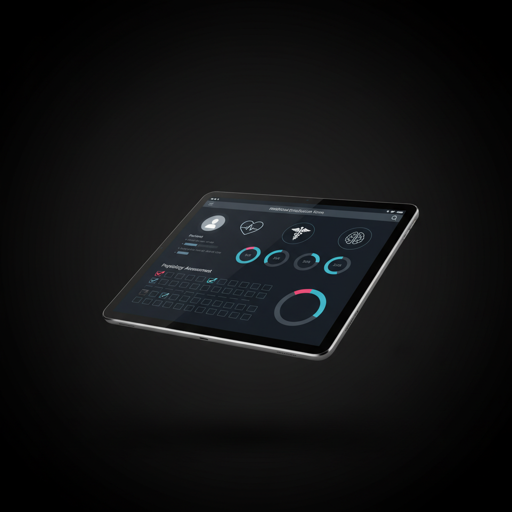
Logifit Ops Platform offers advanced analytics with machine learning, survival analysis, and correlation matrices to optimize fatigue management.
Multiparametric Surveillance
Simultaneous monitoring of noise, chemical exposure, physiological response, and cognitive performance using integrated sensors and machine learning algorithms.
Critical surveillance system components:
- Personal acoustic dosimetry: Continuous measurement with geolocation and automatic alerts
- Passive chemical detection: Vapor and particle sensors in cabin
- Biometric monitoring: Smartbands measuring physiological stress and sleep quality
- Cognitive assessment: Automated pre-shift PVT testing
Key fact: Integrated surveillance detects cognitive deterioration 4.2 hours earlier than traditional methods (ISO 45001 2025).
Automated response protocols include:
- Early alerts: Notification at 80% of exposure limit
- Automatic intervention: Environmental control activation
- Supervisory escalation: Immediate notification to operations control
- Regulatory documentation: Automatic recording for OSHA/STPS compliance
Mental Health Protocols for Exposed Operators
Mental health deterioration from inadequate exposure control requires structured intervention. 2026 protocols combine predictive surveillance with targeted therapies.
Cognitive Resilience Program
Systematic intervention to maintain mental performance in operators with chronic occupational exposure to noise and industrial chemicals.
Mental health program elements:
- Neurocognitive screening: Baseline assessment and quarterly follow-up
- Controlled exposure therapy: Gradual desensitization to occupational stressors
- Resilience training: Stress management techniques specific to transport
- Sleep surveillance: Continuous sleep architecture monitoring
Integrated surveillance not only detects exposure but predicts cognitive deterioration before it affects operational safety.
— Dr. Marcus Thompson, Occupational Health SpecialistEarly warning indicators include:
- Reaction time variability: >15% increase in PVT testing
- Sleep disturbances: >20% reduction in sleep efficiency
- Stress biomarkers: Sustained elevation of salivary cortisol
- Operational performance: Deterioration in safe driving metrics
Implement Advanced Occupational Health Surveillance
Logifit's health module integrates noise, chemical exposure, and mental health surveillance in a unified platform for total occupational exposure control. (Source: WHO — Workers' Health)
Request Demo →Regulatory Compliance and Best Practices 2026
2026 regulations mandate continuous surveillance with automated documentation. Compliance requires integrated systems generating objective evidence of effective exposure control. (Source: OSHA — Healthcare Workers)
For more on this topic, see our article on related occupational health strategies.
| Regulation | Noise Limit | Required Surveillance |
|---|---|---|
| OSHA 29 CFR 1910 | 90 dB TWA-8h | Audiometry + personal dosimetry |
| NOM-035-STPS | 85 dB TWA-8h | Psychosocial factors + noise |
| ISO 45001:2026 | 80 dB (action) | Integrated predictive surveillance |
Critical elements for regulatory compliance:
- Automated documentation: Continuous exposure recording with timestamps
- Complete traceability: Historical exposure by operator and equipment
- Regulatory reports: Automatic generation of OSHA/STPS reports
- Control evidence: Documentation of implemented corrective measures
Companies with automated surveillance reduce 84% of time required for regulatory audit preparation (Safe Work Australia 2025).
Integration of mental health surveillance with traditional exposure control represents the 2026 standard for comprehensive operator protection. Systems like Logifit's health module provide continuous surveillance that detects deterioration before impacting safety, while simultaneously complying with multiple international regulatory frameworks.
For transport organizations, implementing integrated surveillance is not optional but a critical operational requirement to maintain safe and productive operators in high occupational exposure environments.