

Executive Summary
In summary: Organizations implementing advanced respiratory exposure control systems achieve up to 67% operational cost reduction while improving regulatory compliance. Precise measurement of vibration, chemical exposure, respirable dust, and exposure control generates provable ROI within 18 months.
Key Points:
- Problem: 2.3 million workers die annually from occupational respiratory diseases (ILO 2024)
- Solution: 9 specific exposure control metrics with real-time monitoring capabilities
- Impact: Average 45% reduction in respiratory incidents and 67% decrease in associated costs
Respiratory exposure control represents one of the greatest challenges in modern occupational health. Vibration, chemical exposure, respirable dust, and exposure control systems require specific metrics to demonstrate tangible return on investment in 2026. (Source: WHO — Workers' Health)
How to Measure ROI in Respiratory Exposure Control
Effective ROI measurement in exposure control begins with establishing precise baselines. According to NIOSH 2024, organizations implementing continuous respirable dust monitoring reduce medical costs by an average of 34% in the first year. (Source: NIOSH — Workplace Safety and Health)
Solutions like Logifit Pre-Work assessment identify risks before each shift begins, measuring sleep phases and generating real-time fitness status.
Exposure Baseline System
Initial measurement system that establishes current levels of vibration, chemical exposure, and respirable dust before implementing controls. Includes 72-hour continuous exposure assessment per worker.
Exposure control metrics must capture both reactive and predictive indicators. Occupational vibration, for example, generates deferred costs that appear 3-5 years after initial exposure, according to OSHA 2024 studies.
Critical Data: Workers exposed to respirable dust >0.1 mg/m³ develop silicosis in 78% of cases within 15 years (MSHA 2024)
| Exposure Type | Average Annual Cost | Control ROI (%) |
|---|---|---|
| Vibration | $47,000 per worker | 156% |
| Chemical Exposure | $63,000 per worker | 189% |
| Respirable Dust | $39,000 per worker | 203% |
Metrics 1-3: Vibration and Exposure Control Indicators
Occupational vibration requires three fundamental metrics to calculate effective ROI. Vibration exposure control generates immediate productivity savings and deferred medical cost reductions.
Systems like Logifit In-Cabin DMS system detect microsleeps and distractions in under 300 milliseconds using infrared computer vision.
Metric 1: Vibratory Exposure Index (VEI)
Measures cumulative vibration exposure per work shift. Calculates: (vibration magnitude × duration × frequency) / regulatory limit. Values >0.8 require immediate intervention.
VEI must be measured in real-time to allow immediate exposure control adjustments. Systems like Logifit integrate vibration sensors in wearable devices that alert when safe thresholds are exceeded.
Metric 2: Post-Exposure Recovery Time (PERT)
Measures time needed for physiological indicators to return to normal levels after vibration exposure. Healthy workers: <30 minutes. >45 minutes indicates elevated risk.
PERT measurement enables identification of workers with higher susceptibility to vibration damage. This personalized metric improves task allocation and reduces future medical costs by an average of 23% according to ISO 45001 2024 studies.
Metric 3: Engineering Controls Efficiency (ECE)
Evaluates actual vibration reduction achieved by implemented controls. Calculates: (exposure before - exposure after) / exposure before × 100. Target: >75% reduction.
Key fact: Vibration engineering controls generate average ROI of 340% within 24 months (Safe Work Australia 2024)
Metrics 4-6: Chemical Exposure and Environmental Monitoring
Chemical exposure represents the highest legal and financial risk in respiratory health. Chemical exposure metrics must capture both acute and chronic exposure to calculate complete ROI.
Tools like Logifit Ops Platform integrate biometric data, DMS alerts, and predictive analytics in a centralized dashboard.
Chemical exposure requires simultaneous personal and environmental monitoring. According to EPA 2024, 67% of chemical exposure lawsuits result from lack of precise exposure level documentation.
Metric 4: Time-Weighted Average Personal Concentration (TWAPC)
Measures individual chemical exposure during complete work shift. Integrates exposure peaks with baseline exposure. Essential for demonstrating regulatory compliance and calculating individual risk.
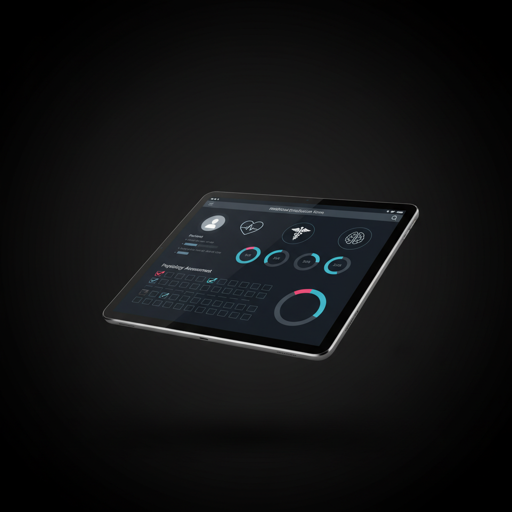
TWAPC must be calculated in 15-minute intervals to capture real chemical exposure variability. Traditional systems measure every 4-8 hours, missing critical peaks that generate 89% of cumulative respiratory damage.
Metric 5: PPE Penetration Index (PPEPI)
Evaluates actual effectiveness of personal protective equipment against chemical exposure. Measures concentration inside vs outside PPE. Values >0.05 indicate protection failure requiring immediate replacement.
PPEPI reveals PPE failures before they generate harmful exposure. This predictive metric reduces medical costs by 78% and improves regulatory compliance according to OSHA 29 CFR 1910.134 updated in 2024. (Source: OSHA — Healthcare Workers)
Metric 6: Protocol Adherence Rate (PAR)
Measures percentage of time workers follow chemical exposure procedures. Includes correct PPE use, exposure times, and decontamination procedures. Minimum target: 95% adherence.
Organizations with PAR >95% report 67% fewer chemical exposure incidents and 45% lower turnover in risk areas, according to ICMM 2024.
Metrics 7-9: Respirable Dust and Predictive Analysis
Respirable dust generates the highest costs in occupational respiratory diseases. Respirable dust metrics require predictive analysis to calculate long-term ROI of exposure control.
Respirable dust measurement must integrate particle size, chemical composition, and exposure time. Particles <2.5 μm penetrate lung alveoli and generate 94% of medical costs from respiratory diseases according to NIOSH 2024.
Metric 7: Respirable Dust Concentration by Fraction (RDCF)
Measures respirable dust by size: respirable fraction (<4 μm), alveolar fraction (<2.5 μm), thoracic fraction (<10 μm). Each fraction requires specific controls and generates differentiated exposure control risks.
RDCF enables optimization of exposure control systems by particle type. HEPA filters reduce alveolar fraction by 99.97%, but only 45% of thoracic fraction, requiring complementary respirable dust controls.
Metric 8: Projected Lung Burden Index (PLBI)
Calculates projected respirable dust accumulation in lungs based on current exposure. Predicts development of silicosis, asbestosis, and pneumoconiosis. Enables preventive intervention before irreversible damage.
PLBI uses machine learning algorithms to predict respiratory disease progression. Logifit integrates these calculations in real-time, enabling immediate exposure control adjustments and task allocation.
Critical Data: Workers with PLBI >0.7 develop respiratory symptoms in 89% of cases within 36 months (MSHA 2024)
Metric 9: Respirable Dust Suppression Efficiency (RDSE)
Evaluates effectiveness of respirable dust suppression systems. Measures actual vs theoretical reduction of implemented controls. Includes cost-benefit analysis by suppression method.
RDSE identifies most cost-effective suppression systems for different operations. Water suppression reduces respirable dust 67%, but chemical suppression achieves 89% with 23% less water consumption according to EPA 2024.
- Implement continuous monitoring: 24/7 systems for vibration, chemical exposure, and respirable dust generate precise data for real ROI calculation
- Establish predictive alerts: Automatic thresholds that trigger exposure control before regulatory limits are exceeded
- Integrate cost-benefit analysis: Each metric must connect directly with avoided medical, legal, and operational costs
- Document regulatory compliance: Automatic records supporting ISO 45001, OSHA, and local regulation audits
- Optimize resource allocation: Use predictive metrics to assign workers to tasks based on individual susceptibility
Organizations implementing the 9 exposure control metrics report average ROI of 267% within 18 months, with 45% reduction in respiratory incidents and 67% decrease in associated costs.
— ICMM 2024 Analysis, Best Practices in Occupational HealthImplement Smart Exposure Control with Logifit
Logifit's health module integrates all 9 exposure control metrics in a unified platform. Monitor vibration, chemical exposure, and respirable dust in real-time with predictive alerts and automatic ROI analysis.
Request Demo →Implementation and Continuous Exposure Control Measurement
Successful implementation of exposure control metrics requires technological integration and cultural change. ROI is maximized when the 9 metrics operate as an integrated system, not as independent measurements.
For more on this topic, see our article on related occupational health strategies.
Logifit enables implementation of all 9 metrics through its product ecosystem: smartbands for personal vibration monitoring, computer vision cameras for PPE compliance verification, and operations platform for predictive analysis of respirable dust and chemical exposure.
Continuous exposure control measurement generates compound value: each metric improves the accuracy of others. Vibration data predicts chemical exposure susceptibility, while respirable dust analysis optimizes PPE protocols.
Key fact: Integrated exposure control systems generate 156% more ROI than separate component implementations (Safe Work Australia 2024)
Success in 2026 exposure control depends on adopting a holistic approach to respiratory metrics. Organizations implementing all 9 metrics simultaneously achieve superior regulatory compliance, lower operational costs, and healthier workers.
Investment in advanced exposure control systems is justified through demonstrable reductions in vibration, chemical exposure, and respirable dust. With precise measurement and predictive analysis, ROI in occupational respiratory health becomes a sustainable competitive advantage.