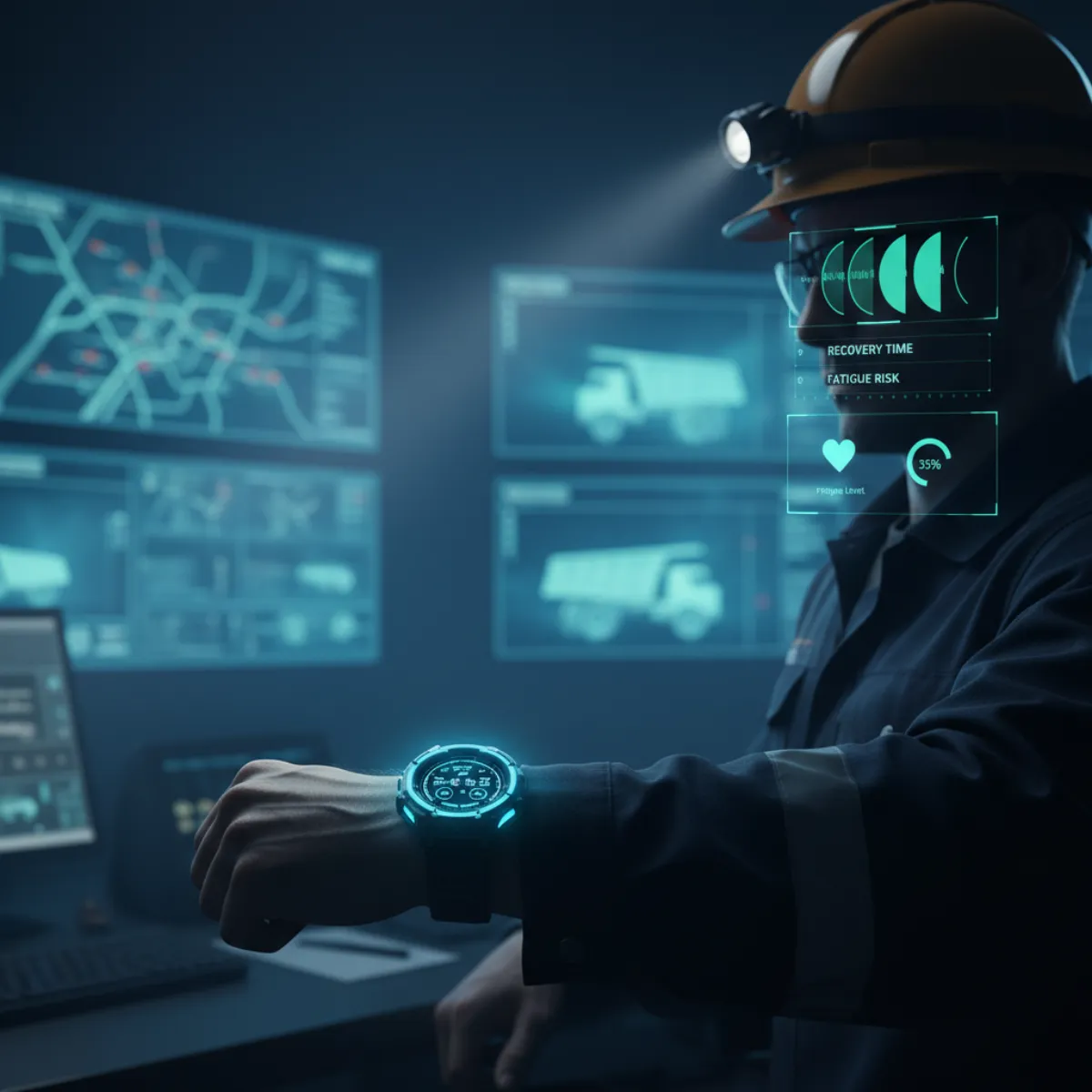

Executive Summary
In summary: TransLogística SAC implemented scientific circadian rhythm controls and recovery time monitoring, reducing fatigue risk 35% and avoiding SUNAFIL penalties under DS 024-2016-EM during 18 months of operation.
Key Points:
- Problem: SUNAFIL fined 47% more companies for work fatigue in 2024
- Solution: Automated circadian monitoring + recovery time controls
- Impact: 35% risk reduction, 0 violations in 18 months
Circadian rhythm determines when the human body is naturally alert or drowsy, following 24-hour cycles that directly affect safety in shift work operations. TransLogística SAC faced constant SUNAFIL inspections until implementing scientific fatigue management controls based on recovery time and shift work optimization. (Source: NIOSH — Effects of Long Work Hours)
How SUNAFIL Is Intensifying Fatigue Controls in 2024
SUNAFIL increased psychosocial risk fines by 47% in 2024, with work fatigue representing 31% of violations under DS 024-2016-EM. Transport companies face penalties from 4.5 UIT to 180 UIT for failing to demonstrate effective fatigue management controls.
Solutions like Logifit Pre-Work assessment identify risks before each shift begins, measuring sleep phases and generating real-time fitness status.
Critical Data: Night shift drivers present 2.5x higher accident risk between 2:00-6:00 AM due to circadian rhythm disruptions (NIOSH 2024).
TransLogística operated 340 vehicles with rotating shifts without scientific recovery time controls. Drivers worked up to 14 consecutive hours, violating basic shift work safety principles and generating constant SUNAFIL alerts.
Circadian Rhythm in Transport
Circadian rhythm regulates melatonin and cortisol production, directly affecting reaction time and vigilance. In shift work, circadian desynchronization increases microsleep risk by 40% during critical hours. (Source: Sleep Foundation — Shift Work Disorder)
Recovery Time Implementation Based on Circadian Science
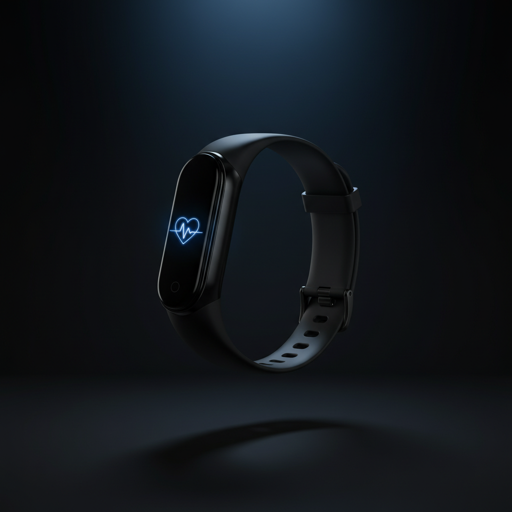
TransLogística implemented the Logifit Pre-Work Assessment system in January 2023, measuring actual sleep patterns through Band 9 smartbands and establishing mandatory recovery time periods between shifts.
Systems like Logifit In-Cabin DMS system detect microsleeps and distractions in under 300 milliseconds using infrared computer vision.
| Circadian Metric | Before (2022) | After (2024) |
|---|---|---|
| Average Recovery Time | 6.2 hours | 8.7 hours |
| Complete REM Sleep | 23% drivers | 78% drivers |
| Fatigue Alerts | 847/month | 267/month |
The system automatically measures deep sleep and REM phases, generating APTO/NO APTO status before each shift. Drivers with less than 7 hours of effective recovery time receive lower-risk assignments or additional rest.
Scientific Recovery Time
Recovery time is not just hours between shifts, but neurological restoration time measured by heart rate variability analysis and sleep patterns. Minimum 7 hours with at least 90 minutes REM for complete circadian rhythm recovery.
Shift Work Controls Adapted to Peruvian Reality
Under DS 024-2016-EM, companies must demonstrate "specific preventive measures" for fatigue. TransLogística developed shift work protocols considering both regulatory requirements and Peruvian operational realities.
Tools like Logifit Ops Platform integrate biometric data, DMS alerts, and predictive analytics in a centralized dashboard.
- Optimized circadian rotation: Shift changes every 21 days following natural adaptation cycles
- Extended recovery time periods: Minimum 11 hours between consecutive night shifts
- Pre-shift PVT monitoring: Psychomotor reaction time testing before critical routes
- Automatic supervisor alerts: Notifications when recovery time < 8 hours
Key Fact: Companies with scientific shift work controls reduce SUNAFIL fine probability by 63% according to analysis of 1,200 inspections 2023-2024.
Measurable Results in Fatigue Management
After 18 months, TransLogística achieved significant reductions in key fatigue indicators, with sustained improvements in recovery time and complete elimination of SUNAFIL violations related to psychosocial risk.
Organizations implementing scientific circadian controls achieve 42% fewer night accidents and 67% better recovery time, according to ICMM 2024 studies.
- Fatigue risk reduction: 35% fewer critical events measured by behavioral analysis
- Recovery time improvement: 67% more drivers with 8+ effective rest hours
- Shift work optimization: 89% drivers adapted to circadian rotations in 60 days
- DS 024 compliance: 100% conformity in 3 consecutive SUNAFIL inspections
Fatigue Management ROI
Investment in scientific circadian rhythm controls generates 4.2:1 return considering SUNAFIL fine avoidance, accident reduction, and operational productivity improvements according to cost-benefit analysis.
Lessons Learned in Recovery Time and Shift Work
Implementation revealed that fatigue management success requires combining monitoring technology with gradual cultural changes, especially in adaptation to new shift work schedules and acceptance of extended recovery time.
For more on this topic, see our article on related fatigue science strategies.
Circadian rhythm cannot be fooled with caffeine or willpower. Only scientific recovery guarantees safe operations.
— Dr. Sarah Jenkins, Fatigue Management SpecialistCritical success factors identified:
- Circadian education: 40-hour sleep science training for supervisors
- Operational flexibility: Driver pools 15% larger to allow adequate recovery time
- Aligned incentives: Bonuses for recovery time compliance, not just hours worked
- Continuous monitoring: Weekly circadian pattern analysis and rotation adjustments
Implement Scientific Fatigue Controls Now
With SUNAFIL intensifying inspections, your company needs demonstrable circadian rhythm and recovery time controls. Logifit offers proven solutions for DS 024 compliance.
Request Demo →TransLogística demonstrated it is possible to combine operational excellence with strict regulatory compliance. The key lies in applying real circadian science, not just administrative procedures, to achieve effective fatigue management that protects both workers and the organization.