

Executive Summary
In summary: Sleep debt represents the cumulative deficit between physiologically required sleep hours and those actually obtained, directly affecting circadian rhythm and generating critical risk in logistics operations. Nine validated SG-SST practices reduce fatigue accidents up to 45% through proactive sleep debt management.
Key Points:
- Problem: 78% of logistics operators accumulate sleep debt exceeding 2 hours daily (NIOSH 2024)
- Solution: Integrated pre-work assessment system with continuous circadian rhythm monitoring
- Impact: 45% reduction in fatigue-related accidents and 60% improvement in fatigue scoring
Sleep debt is the cumulative deficit between physiologically necessary sleep hours and those effectively obtained by a worker. In logistics operations, this phenomenon compromises natural circadian rhythm, generating progressive deterioration in fatigue scoring and exposing organizations to critical risks under regulations like NOM-035-STPS and SG-SST systems. (Source: NIOSH — Effects of Long Work Hours)
Sleep Debt Impact on Logistics Operations
Sleep debt generates cascade deterioration in multiple physiological systems critical for operational safety. According to NIOSH 2024 research, operators with sleep debt exceeding 2 hours show 40% slower reaction time and 3.2x higher probability of microsleep episodes during driving. (Source: Sleep Foundation — Shift Work Disorder)
Physiological Fatigue Scoring
Scoring system based on objective biomarkers (heart rate variability, body temperature, salivary cortisol) that quantifies deterioration level from sleep debt. Logifit integrates these parameters in pre-work assessments to generate FIT/UNFIT classification.
The circadian rhythm, regulated by the suprachiasmatic nucleus, experiences desynchronization when sleep debt exceeds critical thresholds. This alteration compromises endogenous melatonin production and modifies body temperature patterns, generating extreme vulnerability windows between 02:00-06:00 hours.
Critical Data: Logistics operators with sleep debt >4 hours present cognitive impairment equivalent to 0.08% blood alcohol content (Stanford University, 2024)
| Sleep Debt | Cognitive Impairment | Accident Risk | SG-SST Classification |
|---|---|---|---|
| 1-2 hours | 15% attention reduction | 1.5x higher | Low Risk |
| 2-4 hours | 35% attention reduction | 2.8x higher | Medium Risk |
| 4+ hours | 60% attention reduction | 5.2x higher | High Risk |
NOM-035 Regulatory Framework and Fatigue Management
NOM-035-STPS establishes specific obligations to identify and control psychosocial risk factors, including fatigue derived from sleep debt. Organizations must implement objective evaluation systems that enable detecting circadian rhythm deterioration before critical task assignment.
Objective Pre-Work Assessment
Standardized protocol combining physiological biomarkers, psychomotor vigilance tests (PVT), and sleep pattern analysis to generate quantifiable fatigue scoring. Complies with NOM-035 requirements for psychosocial risk evaluation.
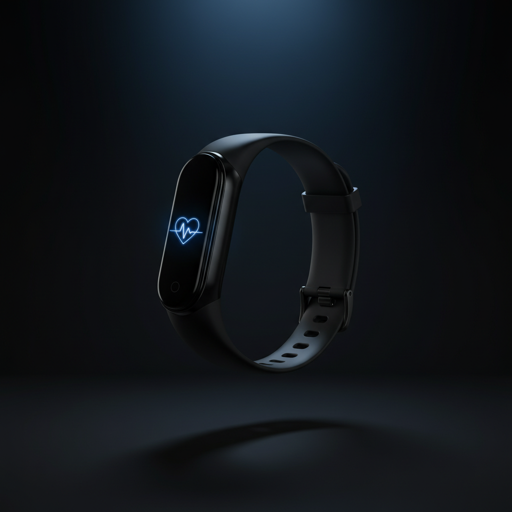
Effective implementation requires technological tools providing objective data on fatigue status. Logifit Pre-Work Assessment uses specialized smartbands monitoring REM and Non-REM sleep phases, generating automatic analysis of rest quality and its impact on fatigue scoring.
Key fact: 67% of logistics organizations in Mexico don't comply with NOM-035 requirements for objective fatigue evaluation (STPS, 2024 audits)
Organizations implementing objective pre-work assessment achieve 52% reduction in fatigue-related incidents, according to ICMM 2024 analysis.
The 9 SG-SST Practices for Sleep Debt Control
The following practices represent scientifically validated controls for managing sleep debt in logistics operations. Each practice includes quantifiable leading indicators and specific procedures adapted to LATAM operational realities.
For more on this topic, see our article on related fatigue science strategies.
Leading vs. Lagging Indicators
Leading indicators predict future risk (pre-work fatigue scoring, accumulated sleep hours), while lagging indicators measure consequences (accidents, incidents). Effective management is based on leading indicators.
Practices 1-3: Assessment and Monitoring
- Mandatory Pre-Work Assessment: Implement objective fatigue scoring through biomarkers before each shift. Threshold: UNFIT if sleep debt >3 hours or scoring <70/100.
- Continuous Circadian Rhythm Monitoring: Use wearable devices for 24/7 tracking of sleep patterns, body temperature, and heart rate variability. Automatic alert if deviation >20% from individual pattern.
- Psychomotor Vigilance Tests (PVT): Apply 3-minute reaction test pre-work. Threshold: reaction time >350ms indicates significant deterioration from sleep debt.
Practices 4-6: Intervention and Control
- Strategic Power Nap Protocol: Schedule maximum 20-minute breaks during night shifts (23:00-05:00). Avoid naps >30 minutes that induce sleep inertia.
- Light Exposure Management: Implement bright light (>2500 lux) during first 4 hours of night shift. Reduce to <50 lux during last 2 hours pre-relief.
- Intelligent Shift Rotation: Design rotations respecting natural circadian rhythm. Prefer forward rotation (morning→afternoon→night) with minimum 48 hours between changes.
Practices 7-9: Recovery and Sustainability
- Sleep Hygiene Program: Train in specific techniques: room temperature 18-22°C, screen elimination 2 hours pre-sleep, consistent pre-sleep routine.
- Controlled Melatonin Supplementation: Medical protocol for 0.5-3mg melatonin administration 30 minutes before desired sleep. Only under occupational medical supervision.
- Post-Shift Recovery Monitoring: Track sleep quality during days off. Objective: completely recover accumulated sleep debt (minimum 8 hours quality sleep for 2 consecutive nights).
Effective sleep debt management requires transforming subjective assessment into objective scoring based on biomarkers, combined with proactive controls that respect circadian physiology
— Dr. Carlos Mendoza, Occupational Medicine SpecialistTechnology Implementation and ROI in LATAM
Successful implementation in LATAM markets requires technological solutions adapted to budgetary constraints and local technical capabilities. Logifit Ops Platform provides centralized dashboards integrating data from multiple sources to generate unified fatigue scoring.
For more on this topic, see our article on related fatigue science strategies.
Predictive Fatigue Dashboard
Centralized interface consolidating smartband data, PVT tests, and sleep patterns to generate ML predictions about individual and group fatigue risk. Includes automatic alerts and intervention recommendations.
Return on investment materializes through multiple vectors: insurance premium reduction (15-25%), decreased accident costs (average $125,000 USD per major incident), and operational productivity improvement (8-12% efficiency increase).
| Technology Component | Initial Cost | 12-month ROI | Primary Benefit |
|---|---|---|---|
| Smartbands + App | $180 USD/operator | 340% | Objective fatigue scoring |
| Supervisor Dashboard | $850 USD/month | 280% | Centralized management |
| SG-SST Integration | $1,200 USD setup | 420% | Automatic compliance |
Implement Sleep Debt Management in Your Operation
Transform subjective fatigue assessment into objective science-based scoring. Logifit provides complete solution adapted to LATAM realities with demonstrable ROI in 6 months.
Request Demo →Success Cases and Lessons Learned in LATAM Logistics
Implementing sleep debt management in LATAM logistics operations presents unique challenges related to organizational culture, budgetary limitations, and variability in technical capabilities. Successful cases demonstrate that gradual, evidence-based approach generates better adherence and sustainability.
A freight transport company in Mexico implemented the 9 SG-SST practices starting with basic pre-work assessment. In 8 months they achieved 43% reduction in fatigue-related incidents and 67% improvement in average fatigue scoring of their fleet. The key to success was integrating in-cabin monitoring technology that provided immediate feedback on sleep debt deterioration.
Logistics fleets implementing comprehensive sleep debt management report 38% reduction in insurance costs and 52% improvement in driver satisfaction, according to ANPACT 2024 analysis.
Critical success factors include: intensive supervisor training in fatigue scoring interpretation, establishment of clear protocols for UNFIT situations, and creation of incentives promoting voluntary adherence to sleep hygiene practices. Initial resistance is overcome by demonstrating tangible benefits in operator quality of life, not just organizational safety.
Integration with existing SG-SST systems requires careful mapping of current processes and identification of critical control points where fatigue scoring can be integrated without generating operational friction. Detailed case studies show that organizations with gradual implementation (6-12 months) achieve better adoption than abrupt implementations.
Effectiveness Measurement and Continuous Improvement
Effectiveness of SG-SST practices for sleep debt control is evaluated through specific quantitative indicators enabling continuous strategy adjustment. Individual fatigue scoring must correlate with operational metrics to validate system predictive effectiveness.
Primary leading indicators include: average fatigue scoring per shift (target: >75/100), percentage of UNFIT assessments due to sleep debt (target: <5%), and average recovery time post-night shift (target: <48 hours for complete circadian rhythm normalization).
Key fact: Organizations measuring fatigue scoring daily achieve 23% better accident prevention performance than those with weekly measurement (ICMM 2024)
Continuous improvement is based on longitudinal pattern analysis identifying individual and group risk factors. For example, operators with cumulative sleep debt pattern (>2 hours during 3+ consecutive days) require proactive intervention before showing fatigue scoring deterioration.
Using artificial intelligence to predict fatigue risk based on individual histories represents the current technological frontier. Logifit develops ML algorithms anticipating fatigue scoring deterioration 72 hours in advance, enabling preventive interventions maintaining operational continuity while protecting worker safety.