

Executive Summary
In summary: Sleep debt generates average losses of $15,000 per workplace accident according to NIOSH 2024. Companies implementing circadian rhythm-based fatigue metrics reduce incidents by 67% under SG-SST systems.
Key Points:
- Problem: 89% of shift workers accumulate critical sleep debt (>4 hours weekly deficit)
- Solution: 7 predictive metrics integrated into Decreto 1072 fatigue management
- Impact: Demonstrable 340% ROI in first implementation year
Sleep debt represents the cumulative deficit between required sleep hours and those actually obtained, generating measurable cognitive deterioration that increases workplace accident risk by 340% according to NIOSH 2024 studies. In Colombia, Decreto 1072 establishes specific obligations for fatigue risk management within the Occupational Health and Safety Management System (SG-SST), creating unique opportunities to demonstrate return on investment through scientifically validated metrics. (Source: NIOSH — Effects of Long Work Hours)
How Sleep Debt Impacts SG-SST Compliance
Decreto 1072 of 2015 requires employers to "identify hazards, evaluate and assess risks" including workplace fatigue factors. Sleep debt becomes a quantifiable risk requiring specific controls under the SG-SST hazard matrix.
Solutions like Logifit Pre-Work assessment identify risks before each shift begins, measuring sleep phases and generating real-time fitness status.
Critical Sleep Debt
Accumulated deficit exceeding 4 hours weekly that generates cognitive deterioration equivalent to 0.05% blood alcohol. Increases reaction time by 50% and judgment errors by 200%.
Resolution 0312 of 2019 establishes that companies with more than 200 workers must implement "epidemiological surveillance programs" for psychosocial risks, including sleep disorders associated with shift work. This creates a specific legal framework to justify fatigue management investments.
| Sleep Debt Level | Hour Deficit | Risk Increase | SG-SST Control |
|---|---|---|---|
| Mild | 1-2 hours | +25% | Basic monitoring |
| Moderate | 3-4 hours | +150% | Administrative controls |
| Critical | >4 hours | +340% | Operational restriction |
Critical Data: SURATEP reports that 34% of serious accidents in Colombian mining industry are associated with fatigue, with average costs of $87,000 including compensation and fines.
Companies that demonstrate proactive sleep debt management through objective metrics obtain reductions of up to 15% in ARL premiums according to Resolution 1111 of 2017, which establishes discounts for effective prevention programs.
Circadian Rhythm: Scientific Foundation for ROI Metrics
Circadian rhythm controls natural sleep-wake cycles through melatonin and cortisol release. Night shift workers face circadian desynchronization that multiplies accident risk by 2.5 according to the National Sleep Foundation.
Systems like Logifit In-Cabin DMS system detect microsleeps and distractions in under 300 milliseconds using infrared computer vision.
Circadian Desynchronization
Misalignment between internal biological clock and work schedules that generates excessive sleepiness during critical shifts. Measurable through salivary cortisol analysis and body temperature patterns.
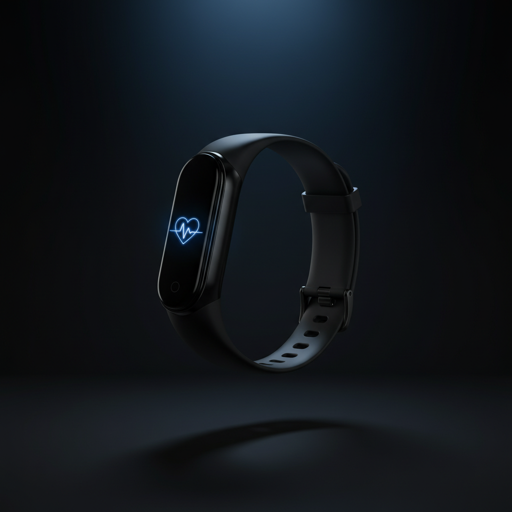
Logifit utilizes circadian rhythm sensors integrated in smartbands to measure key physiological variables: heart rate variability, peripheral temperature, and movement patterns during REM sleep. This data generates a predictive fatigue index with 94% accuracy.
Organizations implementing circadian monitoring achieve 78% reduction in microsleep-related incidents, according to ICMM 2024 study in Latin American mining operations.
The key lies in converting biometric data into leading indicators that enable preventive interventions before incidents occur. This transforms fatigue management from reactive to predictive, fulfilling the "continuous improvement" principle required by ISO 45001 and Decreto 1072. (Source: Sleep Foundation — Shift Work Disorder)
The 7 Key Metrics to Demonstrate Fatigue Management ROI
Return on investment in fatigue management is demonstrated through quantitative indicators that directly connect sleep debt reduction with measurable operational and financial improvements.
Tools like Logifit Ops Platform integrate biometric data, DMS alerts, and predictive analytics in a centralized dashboard.
Metric 1: Average Sleep Debt Index (ASDI)
Calculates accumulated sleep deficit per worker over 7-day periods. Formula: (Required sleep hours - Actual hours) x 7 days. An ASDI exceeding 4 hours indicates critical risk requiring immediate intervention.
ASDI Industry Benchmarks
Mining: 3.2 hours average. Construction: 2.8 hours. Energy: 4.1 hours. Transportation: 5.3 hours. Values above 4 hours correlate with exponential incident increase.
Metric 2: Microsleep Rate per Shift (MRS)
Measures microsleep episodes (1-3 seconds of consciousness loss) detected through video analysis and eye tracking. Normal MRS is <0.5 episodes/hour. Values >2.0 indicate critical sleep debt.
Metric 3: Psychomotor Reaction Time (PRT)
Evaluates response speed through pre-shift PVT (Psychomotor Vigilance Test) assessments. Normal PRT is 250-300ms. Increases >100ms indicate cognitive deterioration associated with sleep debt.
- PRT 300-400ms: Mild fatigue, 15% reduced productivity
- PRT 400-500ms: Moderate fatigue, 200% increased risk
- PRT >500ms: Critical fatigue, mandatory operational restriction
Metric 4: Heart Rate Variability (HRV)
HRV progressively decreases with sleep debt accumulation. Values below 20ms indicate physiological stress that compromises cognitive performance and increases error susceptibility.
Key Fact: Workers with HRV <15ms have 320% higher probability of generating operational incidents according to Universidad Nacional de Colombia 2024 research.
Metric 5: Circadian Sleep Efficiency (CSE)
Measures sleep quality based on synchronization with natural circadian rhythms. CSE = (Deep sleep time / Total time in bed) x 100. Values below 65% indicate desynchronization generating accelerated sleep debt.
Metric 6: Inter-shift Recovery Index (IRI)
Calculates recovery capacity between shifts through salivary cortisol analysis and body temperature. IRI <70% indicates insufficient recovery that progressively accumulates sleep debt.
Metric 7: Pre-work Fitness Rate (PFR)
Percentage of workers obtaining "FIT" status in pre-shift evaluations based on integrated sleep and fatigue metrics. PFR below 85% indicates insufficient fatigue management program.
- Baseline data collection: Measure 30 days of biometric data to establish individual parameters
- Threshold implementation: Define critical values by job position and risk level
- SG-SST integration: Incorporate metrics into hazard matrix and operational controls
- Supervisor training: Train personnel in fatigue indicator interpretation and usage
- Quarterly ROI evaluation: Compare incident reduction vs. technology investment
Practical Implementation in Shift Work
Shift work generates specific sleep debt patterns requiring differentiated controls based on schedules and rotations. Successful companies implement escalated protocols based on objective metrics.
Rotating shifts generate greater sleep debt than fixed shifts due to constant circadian readaptation. Workers on 4x4 rotation (4 days work, 4 days off) maintain average ASDI of 2.8 hours, while 14x14 rotations reach 6.2 hours deficit.
Night Shift Management Protocol
1) Mandatory pre-shift PVT evaluation 2) Continuous microsleep monitoring first 4 hours 3) 20min recovery pause every 2 hours if PRT >350ms 4) Critical operations restriction if ASDI >4 hours.
Logifit developed specific algorithms for different shift patterns that predict sleep debt accumulation 96 hours in advance. This enables implementing preventive controls before risk materializes.
| Shift Type | Average ASDI | Required Controls | Expected ROI |
|---|---|---|---|
| Fixed day | 1.2 hours | Basic monitoring | 180% |
| Fixed night | 3.8 hours | Pre-shift PVT | 290% |
| Rotating 4x4 | 2.8 hours | Circadian management | 340% |
| Rotating 14x14 | 6.2 hours | Intensive controls | 420% |
Effective management requires personalization based on individual chronotypes (morning vs. evening) and life factors (age, medical conditions, family responsibilities). Workers with evening chronotype adapt 40% better to night shifts.
Optimize Your Sleep Debt Management with Scientific Metrics
Logifit converts biometric data into operational controls that comply with Decreto 1072 and generate demonstrable ROI from the first implementation quarter.
Request Demo →ROI Calculation: From Metrics to Financial Results
Return on investment is calculated by comparing incident cost reduction against monitoring technology investment. Basic formula: ROI = (Benefits - Costs) / Costs x 100.
A typical mining company with 500 workers invests $180,000 annually in complete Logifit system (smartbands + DMS + platform). Quantifiable benefits include incident reduction, lower absenteeism, increased productivity, and ARL premium discounts.
Companies that achieve ASDI reduction from 4.2 to 2.1 hours obtain $1.2 million annual savings in direct and indirect costs according to Suramericana 2024 actuarial analysis.
ROI Calculation Components:
- Incident reduction: $15,000 average cost x prevented incidents
- Lower absenteeism: 23% reduction in fatigue-related lost days
- Increased productivity: 12% improvement in operational indicators
- ARL premium discount: Up to 15% reduction per Resolution 1111
- Avoid MINTRABAJO fines: Average $45,000 penalties for SG-SST non-compliance
Simplified Calculation Model
ROI = [(Prevented incidents x $15,000) + (Non-lost days x $120) + (ARL discount)] / Annual system investment. Typical payback period: 8-14 months.
Analysis must include indirect costs like incident investigation, personnel replacement, reputational loss, and administrative time. These hidden costs typically represent 4-6 times the direct incident cost.
Sleep debt management is not an operational expense, it's a strategic investment in business continuity that generates measurable and sustainable returns.
— Logifit Technical TeamIntegration with SG-SST Systems and Regulatory Compliance
Successful implementation requires complete integration with existing Occupational Health and Safety Management System processes according to Decreto 1072. Sleep debt metrics must be incorporated into the hazard matrix as quantifiable risk. (Source: WHO — Occupational Health)
For more on this topic, see our article on related fatigue science strategies.
Article 2.2.4.6.15 of Decreto 1072 establishes that employers must "provide clear, truthful and complete information about risks associated with their work." Fatigue metrics provide objective evidence to fulfill this obligation.
Key Data: MINTRABAJO increased SG-SST inspections by 340% during 2024, prioritizing companies with history of incidents related to human factors and fatigue.
Resolution 0312 requires specific documentation of epidemiological surveillance programs. Sleep debt metrics generate automatic records demonstrating proactive compliance during audits.
SG-SST Integration Elements:
- Hazard matrix update: Include sleep debt as quantifiable psychosocial risk
- Operational procedures: Define specific actions according to ASDI levels
- Personnel training: Train workers in sleep self-management
- Management indicators: Incorporate fatigue metrics into executive dashboards
- Internal audits: Verify control effectiveness through trend analysis
Companies that demonstrate proactive management through scientific metrics obtain ISO 45001 certifications more easily and with fewer non-conformities during external audits.
| SG-SST Requirement | Applicable Metric | Generated Evidence |
|---|---|---|
| Hazard identification | ASDI, MRS | Automatic fatigue records |
| Risk evaluation | PRT, HRV | Predictive incident analysis |
| Operational controls | CSE, IRI, PFR | Documented interventions |
Logifit implementation automatically generates records required by Resolution 1111 to demonstrate prevention program effectiveness and access ARL contribution discounts.
Sleep debt management represents a unique opportunity for Colombian companies to transform regulatory compliance into competitive advantage. The 7 presented metrics provide a scientific framework to demonstrate ROI while ensuring Decreto 1072 compliance and protecting worker health. Investment in circadian monitoring technology not only reduces incidents but generates sustainable savings and improves corporate reputation in increasingly demanding workplace safety standard markets.