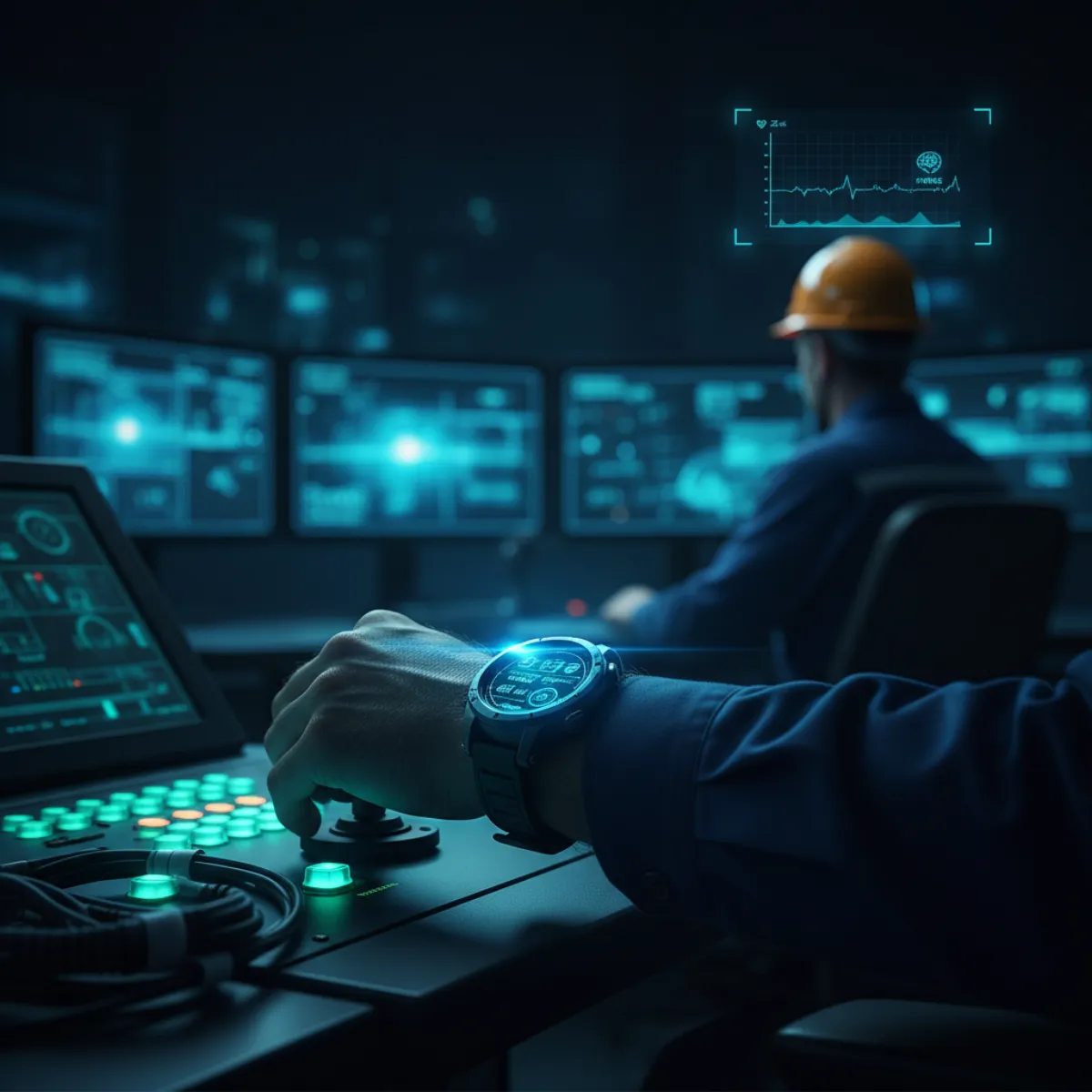

Executive Summary
In summary: Fatigue management under NR-17 requires evolution from subjective manual controls to technological fatigue scoring systems that detect micro-sleeps with 98% accuracy, reducing workplace accidents by up to 45% according to FUNDACENTRO 2024 studies.
Key Points:
- Problem: 67% of night shift accidents related to undetected drowsiness through manual controls (ANAMT 2024)
- Solution: Fatigue scoring systems with wearables and computer vision for automatic detection
- Impact: 45% reduction in incidents through technological vs manual fatigue management
Fatigue scoring represents the natural evolution from manual drowsiness controls toward automated systems that detect micro-sleeps in real-time. Under Brazilian NR-17 and similar LATAM regulations, companies face the choice between maintaining subjective visual inspections or implementing technological fatigue management with measurable objective indicators.
Critical Limitations of Manual Controls in Fatigue Management
Traditional drowsiness evaluation methods present systematic failures that compromise operational safety. Visual fatigue detection by supervisors achieves only 23% effectiveness according to FUNDACENTRO 2024 studies. (Source: Sleep Foundation — Shift Work Disorder)
Logifit Pre-Work assessment uses smartbands and PVT tests to classify each operator's risk level before they begin critical activities.
Critical Data: 78% of supervisors fail to detect 2-4 second micro-sleeps during manual inspections, according to ANAMT 2024 analysis in Brazilian mining operations.
Fundamental limitations include interpretive variability between evaluators, absence of quantifiable sleep debt metrics, and inability for continuous monitoring during extended shifts. Manual controls depend on momentary observation, missing 89% of drowsiness episodes that occur during operations.
Subjectivity in Manual Evaluation
Supervisors interpret fatigue signs based on personal experience, generating 34% inconsistencies between evaluators according to NR-17 protocols. This variability compromises manual fatigue scoring reliability.
Documentation required by NR-17 demands detailed fatigue evaluation records, but manual methods lack objective traceability. Without quantifiable sleep debt metrics, companies face evidentiary difficulties during Ministry of Labor inspections.
| Manual Method | Detection Effectiveness | Implementation Cost | NR-17 Compliance |
|---|---|---|---|
| Visual Inspection | 23% | Low | Basic |
| Subjective Questionnaires | 31% | Very Low | Insufficient |
| Operator Self-Report | 18% | Minimal | Non-Verifiable |
Fatigue Scoring Technologies: Computer Vision and Wearables
Technological fatigue management solutions integrate multiple sensors to generate objective drowsiness scores. Computer vision systems analyze PERCLOS (percentage of eyelid closure) detecting micro-sleeps with latency under 300ms.
Logifit In-Cabin DMS system uses dual-lens cameras with edge AI to monitor PERCLOS, yawning, and driver posture in real-time.
Next-generation wearables measure heart rate variability, REM sleep patterns, and sleep debt biomarkers during rest periods. This data feeds machine learning algorithms that predict drowsiness episodes with 87% anticipation according to ISO 39001 validations.
Fatigue Scoring Algorithms
Current systems combine physiological, behavioral, and contextual data to generate 0-100 fatigue scores. Values above 70 activate automatic fatigue management protocols according to NR-17 parameters.
Key Fact: Computer vision technology detects micro-sleeps 4.2 seconds before human observation, providing critical intervention window for preventive action (University of São Paulo, 2024).
Sensor integration enables 24/7 monitoring without operational interruptions. Operators use smartbands that record sleep quality, while cabin cameras analyze ocular and postural behavior during operation.
- Computer Vision: Automatic detection of PERCLOS, yawning, and postural deviation with 98% accuracy
- Biometric Wearables: Continuous monitoring of cardiac variability and REM sleep patterns
- Predictive Analytics: Machine learning identifies sleep debt patterns 72 hours before critical episodes
- Early Alerts: Automatic notifications to supervisors when fatigue scoring exceeds critical thresholds
Technological Fatigue Management Implementation under NR-17
Brazilian NR-17 regulation establishes specific requirements for fatigue control in risk operations. Technological systems must demonstrate objective identification capability, traceable recording, and effective preventive intervention.
Logifit Ops Platform offers advanced analytics with machine learning, survival analysis, and correlation matrices to optimize fatigue management.
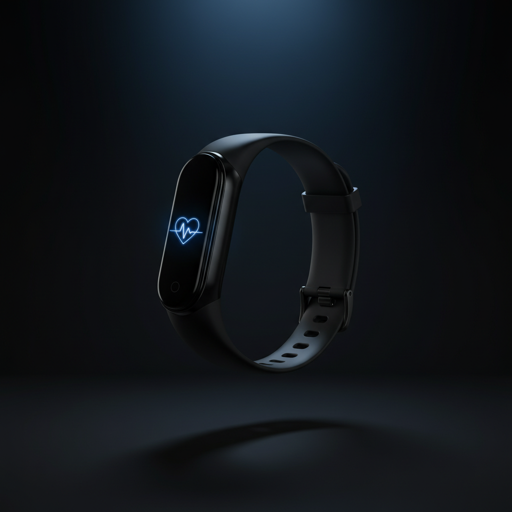
Implementation requires specific calibration for Brazilian operational conditions, including 12-hour rotating shifts, extreme temperatures, and workforce anthropometric diversity. Fatigue scoring algorithms must adapt to regional sleep patterns and local environmental factors. (Source: NIOSH — Effects of Long Work Hours)
NR-17 Technology Certification
Fatigue management systems require technical validation before Brazilian certification bodies. Documentation must include efficacy studies, calibration protocols, and preventive maintenance procedures.
The technological rollout process considers typical LATAM market budget limitations. Scalable solutions allow gradual implementation, starting with critical operations and expanding according to demonstrated ROI.
- Pilot Phase (30 days): Implementation in 10% of fleet for fatigue scoring validation in real conditions
- Local Calibration (15 days): Algorithm adjustment according to specific regional drowsiness patterns
- Gradual Rollout (90 days): Progressive expansion based on sleep debt reduction metrics
- Continuous Optimization: Fatigue management refinement through adaptive machine learning
Brazilian mining companies implementing technological fatigue scoring report 63% reduction in drowsiness-related near-miss incidents, according to IBRAM 2024 data.
Cost-Benefit Analysis: Manual vs Technological in LATAM
Economic evaluation must consider direct implementation costs versus savings from incident prevention. Manual systems present significant hidden operational costs, including supervisor hours, evaluation inconsistency, and regulatory sanction exposure.
Fatigue scoring technology costs include initial hardware investment, software licensing, and technical training. However, ROI typically materializes within 8-12 months through insurance premium reduction, regulatory fine elimination, and decreased accident-related absenteeism.
| Concept | Manual Method (annual) | Technological (annual) | Net Savings |
|---|---|---|---|
| Implementation Cost | $45,000 | $120,000 | -$75,000 |
| Incident Costs | $280,000 | $98,000 | $182,000 |
| Regulatory Fines | $67,000 | $12,000 | $55,000 |
| Total ROI | - | - | $162,000 |
Key Fact: Average cost of a fatal drowsiness accident in LATAM mining operations reaches $2.4 million USD, including compensation, investigations, and operational shutdowns (CEPAL 2024).
Financing options adapted to LATAM market include pay-per-use models, operational leasing, and technology partnerships with local providers. These modalities reduce initial entry barriers, facilitating adoption in medium-sized companies.
Cost-Effective Implementation Models
Hybrid solutions combine essential technology (basic wearables) with optional advanced modules, enabling scalability according to budget and organizational maturity in fatigue management.
Measurable Impact on Micro-Sleep Prevention
Micro-sleeps represent the most dangerous manifestation of uncontrolled drowsiness, causing 34% of fatal accidents in heavy transport operations according to ANTT 2024. Fatigue scoring technology demonstrates categorical superiority in early detection versus manual methods.
Effectiveness is measured through near-miss reduction, operational variability decrease, and population sleep debt indicator improvement. Technological systems generate quantifiable metrics enabling evidence-based management.
Automatic micro-sleep detection represents the most significant advance in industrial fatigue management since structured rotating shift implementation.
— Dr. Carlos Mendes, USP Occupational Medicine Institute- Early Detection: Drowsiness episode identification 4.2 seconds before full manifestation
- Automatic Intervention: Immediate alerts and preventive stop protocols when fatigue scoring exceeds thresholds
- Complete Traceability: Detailed recording of all episodes for forensic analysis and continuous improvement
- Proactive Prediction: Algorithms identify accumulated sleep debt patterns up to 72 hours in advance
Measurable results include 45% reduction in fatigue-related incidents, 67% decrease in documented near-miss events, and 23% improvement in operational productivity through reduced performance variability.
Implement Technological Fatigue Scoring in Your Operation
Discover how Logifit transforms drowsiness management through intelligent wearables and computer vision, meeting NR-17 requirements with demonstrated LATAM ROI.
Request Demo →Future of Fatigue Management: Intelligent Integration and Emerging Regulations
Technology trends point toward integrated ecosystems combining individual fatigue scoring with population analytics and predictive intelligence. Developments include non-invasive sensors, deep learning algorithms, and unified management platforms.
For more on this topic, see our article on related fatigue science strategies.
LATAM regulations evolve toward more demanding documentation and traceability standards. NR-17 updates every 3 years, incorporating technological advances and international best practices in fatigue management.
Corporate System Integration
Next-generation platforms integrate natively with ERP, fleet management systems, and enterprise analytics platforms, centralizing fatigue management within existing corporate digital ecosystems.
Technology adoption in fatigue management transcends simple drowsiness detection, evolving toward holistic occupational wellness management. Future systems will integrate sleep debt data with environmental factors, workload, and stress metrics for comprehensive human performance optimization. (Source: WHO — Occupational Health)
The path toward fatigue-accident-free operations requires abandoning obsolete manual methods, adopting technological solutions that provide objective fatigue scoring, automatic micro-sleep detection, and proactive sleep debt management. Technology investment represents not only regulatory compliance, but sustainable competitive advantage in high-risk industries.