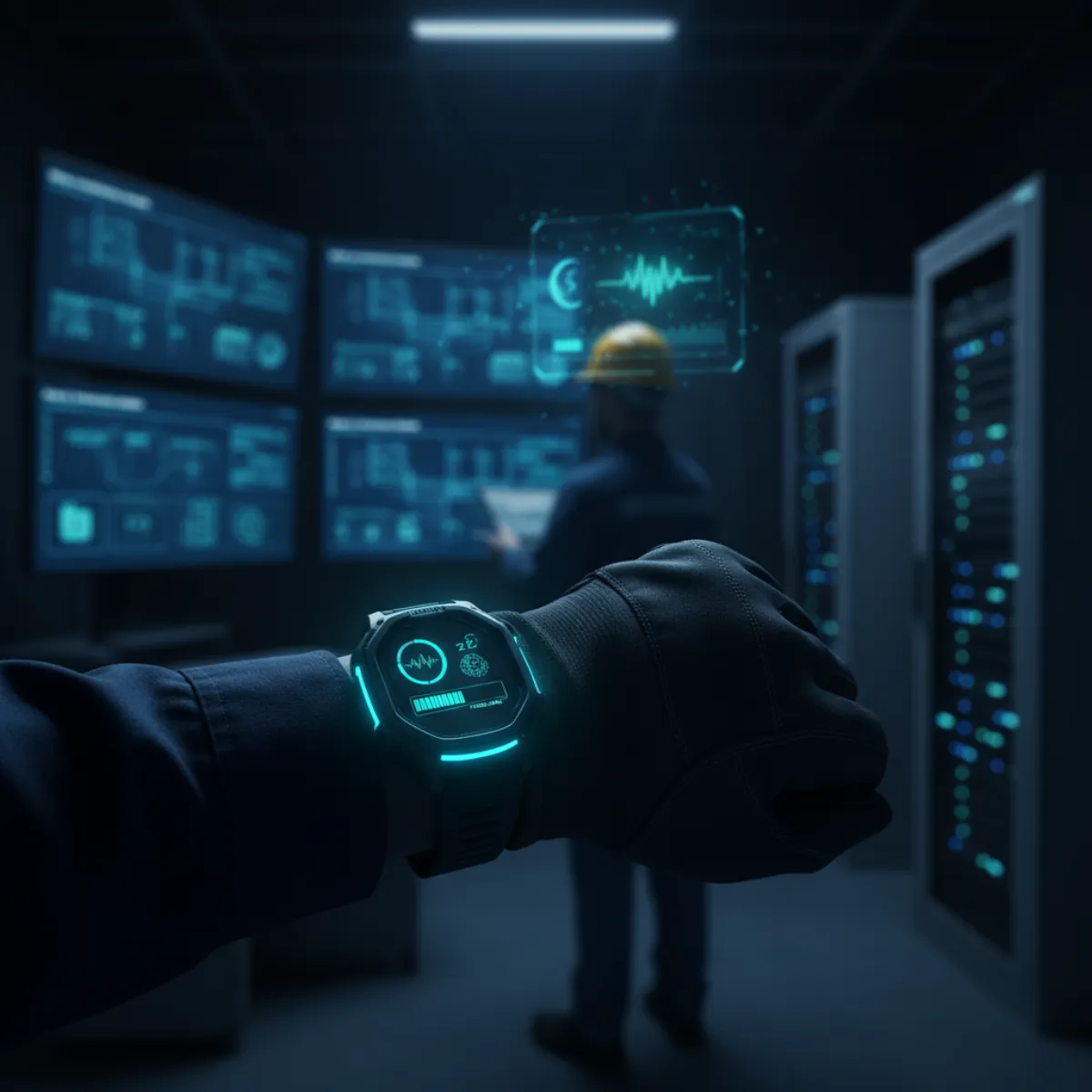

Executive Summary
In summary: Fatigue science in 2026 has identified early warning signals that predict drowsiness risk up to 48 hours in advance in shift workers. New biometric and behavioral indicators, combined with AI-powered fatigue scoring systems, are transforming reactive prevention into proactive risk management with measurable, actionable leading indicators.
Key Points:
- Problem: 40% of night shift workers experience extreme drowsiness during critical operations, with undetected micro-sleeps as the primary cause in 23% of serious heavy transport accidents (NIOSH 2025).
- Solution: Multi-layer fatigue scoring systems track 12 biometric early warning signals, converting sleep and behavioral data into concrete operational controls.
- Impact: FRMS programs using next-generation fatigue signals reduce drowsiness-related incidents by 67% within the first 6 months of implementation.
Fatigue scoring is the system for quantifying drowsiness risk in industrial workers. In 2026, advances in sleep neuroscience and wearable biomarkers have identified twelve early warning signals that predict micro-sleeps up to 48 hours in advance — transforming shift work fatigue management from a reactive discipline into a preventive science with measurable and actionable leading indicators.
The 12 Fatigue Signals Modern Scoring Systems Track in 2026
The latest NIOSH research (2025) identifies twelve biometric and behavioral signals that precede drowsiness episodes with sufficient lead time to allow intervention. These signals divide into three categories: sleep signals (measured the night before), physiological signals (measured in real time), and behavioral signals (observed during operations).
Current fatigue scoring systems, such as Logifit's Ops Platform risk algorithm, integrate data from all three categories to generate a composite risk index with greater predictive power than any individual signal. This multi-layer approach is the standard recommended by ISO 45001:2018 for mature FRMS programs.
Sleep Signals: The Previous Night Predicts the Next Day
The four most predictive sleep signals are: (1) total sleep time under 6 hours, (2) sleep fragmentation with more than 6 nighttime awakenings, (3) deep sleep (N3 phase) below 15% of total sleep, and (4) sleep latency above 30 minutes. Logifit's Band 7/9/10 smartbands automatically measure all four signals.
Critical Data: According to NIOSH (2025), workers with less than 5 hours of sleep have accident probability equivalent to a blood alcohol level of 0.10% — above the legal limit of 0.08%. Sleep deprivation is as impairing as alcohol for cognitive function.
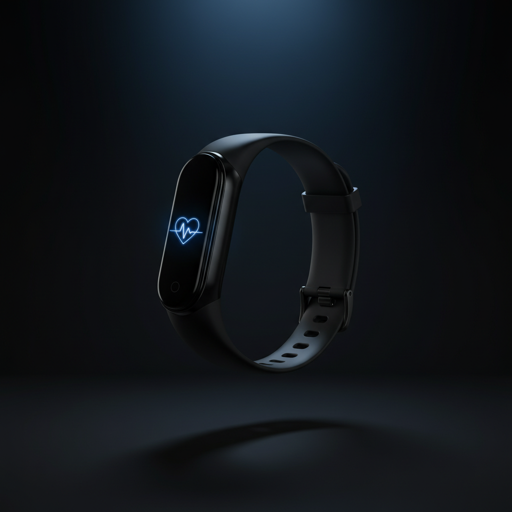
Physiological signals include: heart rate variability (HRV) reduced by more than 20% from personal baseline, unusually low core body temperature at shift start, and elevated adenosine levels detectable via salivary biomarkers — emerging technology entering industrial adoption in 2026.
Behavioral signals tracked by computer vision include: elevated yawning frequency (more than 3 per minute), slow blinking with PERCLOS above 60%, and micro-sleeps — episodes of consciousness loss lasting 2 to 30 seconds that operators frequently do not perceive. A single micro-sleep at 80 km/h is equivalent to driving 44 meters completely blind.
How to Convert Fatigue Scoring into Field-Ready Operational Controls
Fatigue scoring without action protocols does not prevent accidents — it only generates data. Logifit's operational controls framework translates three risk levels into concrete management decisions that can be implemented in any industrial operation in under 30 days.
The 3-Tier Fatigue Risk Classification System
Tier Green (score 0-40): Operator in optimal condition, no restrictions. Tier Yellow (41-70): Moderate drowsiness risk — requires increased in-cabin monitoring and mid-shift verification. Tier Red (71-100): High micro-sleep risk — operational restriction until medical re-evaluation or documented mandatory rest.
Logifit's pre-shift assessment system automatically generates each operator's risk level before they board the vehicle. The previous night's smartband data syncs with the mobile app, generating a fitness status: FIT (green), FIT WITH OBSERVATIONS (yellow), or UNFIT (red), with company-configurable thresholds based on their risk standards.
| Fatigue Signal | Alert Threshold | Predictive Window | Control Action |
|---|---|---|---|
| Total sleep <6h | <360 min | Previous night | FIT WITH OBSERVATIONS |
| Deep sleep <15% | <54 min | Previous night | Mandatory PVT test |
| PERCLOS >60% | >60% over 60s | Real time | Acoustic alert + vibration |
| Micro-sleep detected | 1 episode | Real time | 24/7 call center intervention |
| HRV reduced >20% | Below baseline | Shift start | Supervisor evaluation |
| Yawning >3/min | High frequency | Real time | Mandatory 15-min break |
PVT: Objective Drowsiness Measurement for Shift Workers
The Psychomotor Vigilance Test (PVT) is the gold standard for measuring cognitive impairment from drowsiness. A 10-minute test with reaction times above 500ms confirms fatigue scoring alerts with objective clinical data. Logifit integrates PVT directly into the pre-shift mobile assessment, creating an auditable record of operator fitness status for each shift.
Key fact: The Psychomotor Vigilance Test (PVT) at 10 minutes is the clinical standard for measuring cognitive impairment from drowsiness. A reaction time above 500ms indicates clinically significant fatigue. Logifit integrates the PVT into the pre-shift assessment app to objectively validate operator alertness.
Shift Work Fatigue Management: Controls That Work in 2026
Night shift work creates a fundamental biological challenge: the human circadian rhythm is programmed to sleep between 2am and 6am. Night shift workers operate heavy machinery precisely during the window of greatest physiological drowsiness, when the body simultaneously reduces core temperature, activates melatonin production, and slows cognitive processing speed.
Safe Work Australia research (2025) identifies four engineering controls that reduce night shift fatigue risk in a statistically significant manner, outperforming purely administrative controls such as hour limits:
- High-spectrum blue light (460-490nm): Suppresses melatonin production during the night shift, reducing drowsiness by 31%. Implementable in control rooms and vehicle cabs at low cost.
- Continuous biometric monitoring with smartbands: Shift fatigue management starts the night before, not on the shift day itself. Operators with continuous sleep tracking improve their rest habits by an average of 47 additional minutes per night after 30 days of monitoring.
- Fatigue scoring-based scheduled breaks: 20-minute breaks at hours 4 and 7 of shift reduce micro-sleeps by 58% compared to fixed breaks not based on data (NIOSH 2025). Real-time fatigue scoring determines when a break is critical.
- Forward-rotating shift rotation (phase advance): Moving night workers to evenings, then mornings (not the reverse) respects the circadian rhythm and reduces accumulated sleep deficit by 40% compared to backward rotation.
To implement these controls in sequence, follow this 4-step field deployment process:
- Baseline fatigue scoring audit (Week 1-2): Collect 14 days of biometric data using smartbands before any intervention. Establish individual baseline HRV and sleep metrics for every shift worker.
- Risk stratification by shift pattern (Week 2-3): Apply the 3-Tier fatigue risk classification to identify which operators, routes, and shift rotations generate the highest drowsiness scores.
- Deploy targeted controls (Week 3-6): Implement engineering controls (lighting, break timing) for highest-risk tiers first. Activate real-time in-cabin monitoring for red-tier operators immediately.
- Measure and iterate (Week 6+): Track micro-sleeps frequency, PERCLOS trends, and incident rates weekly. Adjust fatigue scoring thresholds based on operational feedback and regulatory audit requirements.
Operations implementing multi-layer fatigue scoring with real-time biometric signal-based controls reduce drowsiness-related incidents by 67% within the first 6 months, based on Logifit's analysis of 50,000+ operators monitored across 12 countries.
"Fatigue is not inevitable in shift work — it is predictable. And everything that is predictable is preventable. Companies that invest in early warning signals stop reacting to accidents and start managing them before they occur."
— Dr. Sarah Jenkins, Occupational Sleep Medicine SpecialistImplement Predictive Fatigue Scoring in Your Operation
Logifit offers personalized fatigue risk assessments that identify your highest-exposure signals and design operational controls tailored to your industry and applicable regulatory framework.
Request a Free Assessment →Clinical Fatigue Management: When Risk Scores Reveal a Health Problem
Well-implemented fatigue scoring systems invariably uncover a subgroup of operators with structural chronic fatigue — not situational fatigue from a bad night's sleep, but sustained deterioration linked to clinical conditions such as sleep apnea, anemia, depression, or circadian rhythm disorders. This subgroup represents 8-15% of the industrial workforce and concentrates 43% of all fatigue incidents (NIOSH 2025).
Logifit's health module addresses this reality with an automatic clinical escalation protocol: when an operator accumulates 3 or more UNFIT assessments within a 30-day period, the system automatically generates a clinical case and activates dual evaluation by occupational psychology and medicine. The STOP-BANG test (sleep apnea screening) and Yoshitake scale (30-item occupational fatigue) are administered digitally and integrated into the case history.
This clinical approach protects not only the operator — it protects the organization. Under OSHA 29 CFR 1910 in the United States and ISO 45001 internationally, employers have a documented obligation to identify and manage workers with chronic fatigue. A fatigue scoring program with clinical case management is the strongest compliance evidence in regulatory audits.
Organizations that integrate Logifit's pre-shift assessment with the health module of the Ops Platform and in-cabin monitoring create the only proven complete-cycle fatigue management system available — from the operator's waking moment to their safe return home. To learn how to implement it in your operation, request a personalized demonstration.