
Executive Summary
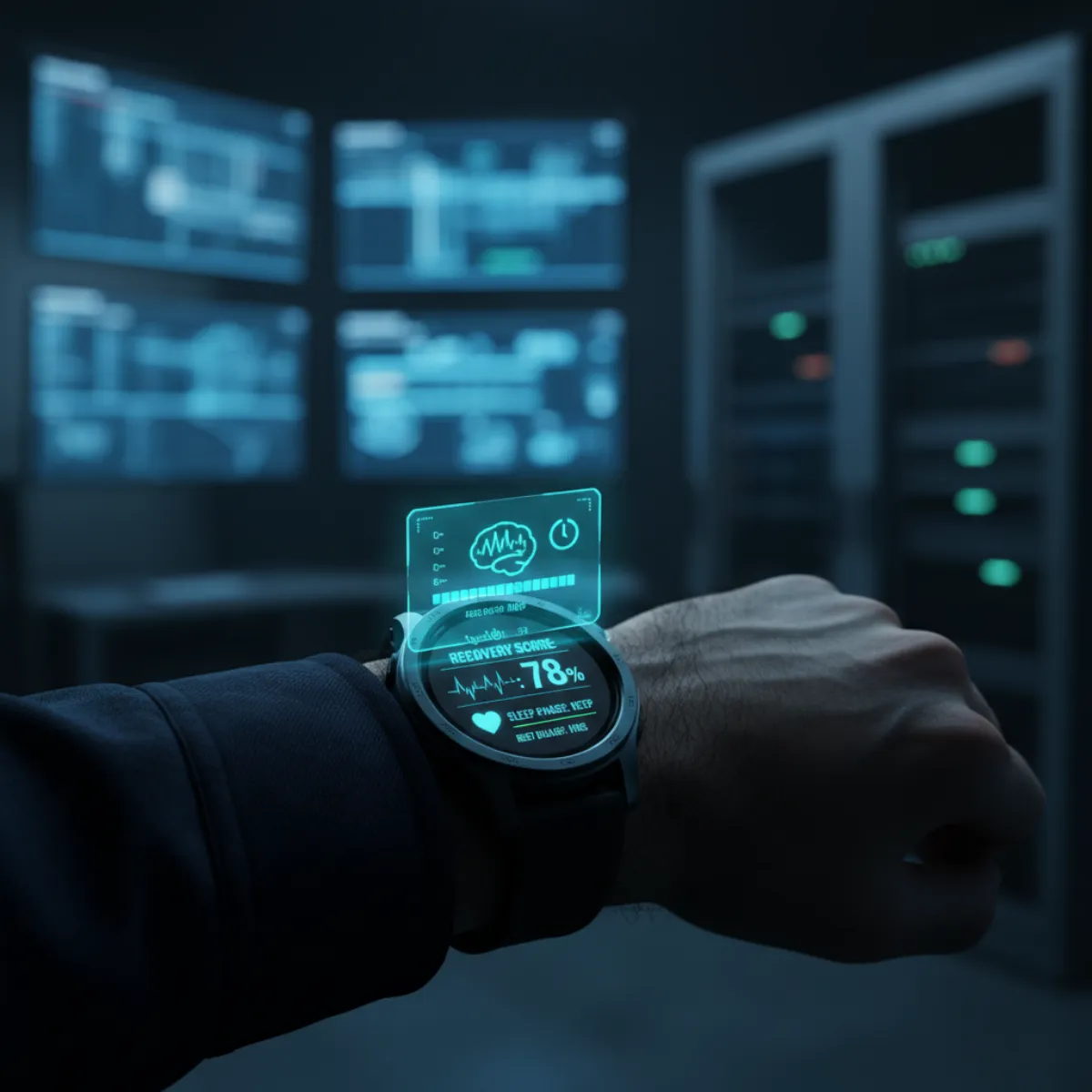
In summary: Advanced fatigue scoring systems can reduce fatigue-related accidents in shift work operations by up to 45%, particularly critical for night shifts where traditional fatigue management approaches fail consistently.
Key Points:
- Problem: 62% of night shift accidents occur due to undetected fatigue (NIOSH 2024)
- Solution: Real-time fatigue scoring systems with predictive leading indicators
- Impact: 45% incident reduction and 38% improved recovery time optimization
Fatigue scoring represents the scientific evolution of traditional fatigue management, transforming biometric data from shift work operations into predictive leading indicators that prevent accidents before they occur, especially during critical night shifts. (Source: NIOSH — Effects of Long Work Hours)
Fatigue Scoring Systems: The Science Behind Prediction
Modern fatigue scoring systems utilize machine learning algorithms to analyze multiple biomarkers during shift work operations. This scientific approach overcomes limitations of traditional subjective fatigue management methods.
Multivariable Fatigue Scoring
Combines heart rate variability, HRV patterns, sleep quality metrics, and PVT reaction times to generate predictive risk scores. Logifit integrates these data streams in real-time throughout each shift cycle.
According to ICMM 2024 research, operations implementing advanced fatigue scoring experience a 52% reduction in microsleep-related incidents during night shifts. The system generates early warnings 15-20 minutes before critical cognitive deterioration occurs.
Critical Data: Night shift workers without fatigue scoring systems face 3.2x higher accident probability between 2-4 AM, the peak circadian vulnerability window (Sleep Foundation 2024).
| Biomarker | Individual Accuracy | Combined Accuracy |
|---|---|---|
| HRV Variability | 67% | 89% |
| PVT Reaction Time | 71% | 92% |
| REM Sleep Quality | 63% | 94% |
Night Shift Optimization Through Predictive Fatigue Management
Night shifts present unique challenges for fatigue management due to circadian desynchronization. Fatigue scoring systems adapt risk thresholds according to specific shift timing patterns.
Safe Work Australia research demonstrates that fatigue management in night shifts requires differentiated protocols. Between 1-5 AM, fatigue scoring thresholds must be reduced by 25% to maintain the same predictive accuracy as day shifts.
Adaptive Night Shift Protocol
Automatically adjusts fatigue scoring thresholds based on shift timing. At 3 AM, a score of 6.5 equals the risk of an 8.5 daytime score, triggering preventive interventions accordingly.
Organizations implementing adaptive fatigue management for night shifts achieve 67% reduction in early morning accidents, according to OSHA 2024 data.
The Logifit pre-shift assessment incorporates shift-specific circadian factors for night shifts, including:
- Accumulated sleep debt: 72-hour sleep deficit calculation with temporal weighting algorithms
- Individual circadian phase: Personal chronotype analysis (morning/evening preference) per worker
- Recovery history: Personalized average recovery time post-night shift patterns
Implementation of Preventive Controls Based on Fatigue Scoring
Transforming fatigue scoring data into effective operational controls requires structured protocols that connect predictive indicators with immediate preventive actions.
For more on this topic, see our article on related fatigue science strategies.
The fatigue scoring-based intervention framework establishes four response levels according to predictive scoring:
- Score 0-3 (Green): Normal operations with continuous shift work monitoring
- Score 4-6 (Yellow): Activate 5-minute micro-recovery breaks every hour
- Score 7-8 (Orange): Immediate rotation or extended 20-minute break protocol
- Score 9-10 (Red): Critical activity suspension and medical evaluation required
Programmed Micro-Recovery
Recovery intervals of 3-7 minutes based on individual fatigue scoring patterns. NIOSH studies show 5-minute micro-breaks every hour improve cognitive performance by 34% in night shifts.
The Logifit Ops Platform automates control escalation based on real-time fatigue scoring, integrating with existing shift management systems to optimize personnel rotation in critical shift work.
Key fact: Companies with automated fatigue management protocols reduce alert response time from 12 minutes to 90 seconds average (ISO 45001 benchmarking 2024). (Source: Sleep Foundation — Shift Work Disorder)
Measurement and Optimization of Post-Fatigue Recovery Time
Post-fatigue recovery time becomes a critical indicator for optimizing shift work cycles and preventing cumulative fatigue. Advanced fatigue scoring systems quantify these periods with scientific precision.
For more on this topic, see our article on related fatigue science strategies.
Recent MSHA research demonstrates that recovery time varies significantly by fatigue type: cognitive (45-90 minutes), physical (20-60 minutes), and circadian (2-8 hours for night shifts).
Personalized Recovery Time
Algorithm that learns individual recovery patterns based on fatigue scoring history. Predicts optimal rest time based on previous shift work intensity and worker biological characteristics.
Effective fatigue management must consider three components of recovery time:
- Active recovery: Light exercise or breathing techniques during initial 10-15 minutes
- Passive recovery: Rest in controlled environment (18-22°C temperature, dim lighting)
- Circadian recovery: Natural or therapeutic light exposure for post-night shift resynchronization
Workers with personalized recovery protocols show 43% better performance in subsequent shifts and 31% less weekly cumulative fatigue.
The Logifit DMS system continues monitoring during recovery periods, validating intervention effectiveness through microsleep analysis and PERCLOS blinking patterns.
Regulatory Framework and Compliance for Fatigue Management 2026
New fatigue management regulations integrate specific requirements for fatigue scoring and recovery time documentation, establishing minimum standards for shift work in high-risk industries.
The 2026 ISO 45001 update incorporates explicit requirements for fatigue scoring systems in 24/7 operations. Organizations must demonstrate minimum 85% predictive capability in detecting critical fatigue during night shifts.
The future of fatigue management isn't about reacting to fatigue, but predicting and preventing it through intelligent systems that learn from every shift work cycle.
— Dr. Sarah Jenkins, Industrial Safety SpecialistRegion-specific regulations include:
| Jurisdiction | Fatigue Scoring Requirement | Recovery Documentation |
|---|---|---|
| OSHA 29 CFR 1910 | Mandatory >12h shifts | 5-year record keeping |
| NOM-035-STPS Mexico | Recommended night shifts | Annual audit |
| Safe Work Australia | Mandatory mining ops | Monthly reporting |
Transform Your Fatigue Management with Predictive Technology
Implement advanced fatigue scoring systems that convert biometric data into effective preventive controls for critical shift work and night shift operations.
Request Demo →Preparation for 2026 compliance requires gradual implementation of fatigue scoring systems, beginning with highest-risk operations. The Logifit scientific approach ensures regulatory compliance while optimizing operational safety through next-generation predictive fatigue management systems.