
Executive Summary
In summary: Shift work disrupts natural circadian rhythm patterns, creating drowsiness that increases accident risk 2.5x according to NIOSH. Effective fatigue management can reduce incidents by up to 65% through circadian rhythm monitoring and preventive controls.
Key Points:
- Problem: 43% of shift work employees experience severe drowsiness (Sleep Foundation 2024)
- Solution: Fatigue management systems that monitor circadian rhythm in real-time
- Impact: 65% reduction in drowsiness-related accidents (ICMM 2024)
Circadian rhythm is the internal biological clock that regulates sleep-wake cycles over 24 hours. When shift work disrupts these natural patterns, it creates drowsiness that can cause fatal accidents in critical industrial operations.
How Shift Work Disrupts Circadian Rhythm Function
Shift work forces the body to remain alert during hours when it should naturally sleep. This circadian rhythm disruption generates chronic drowsiness that compromises operational safety.
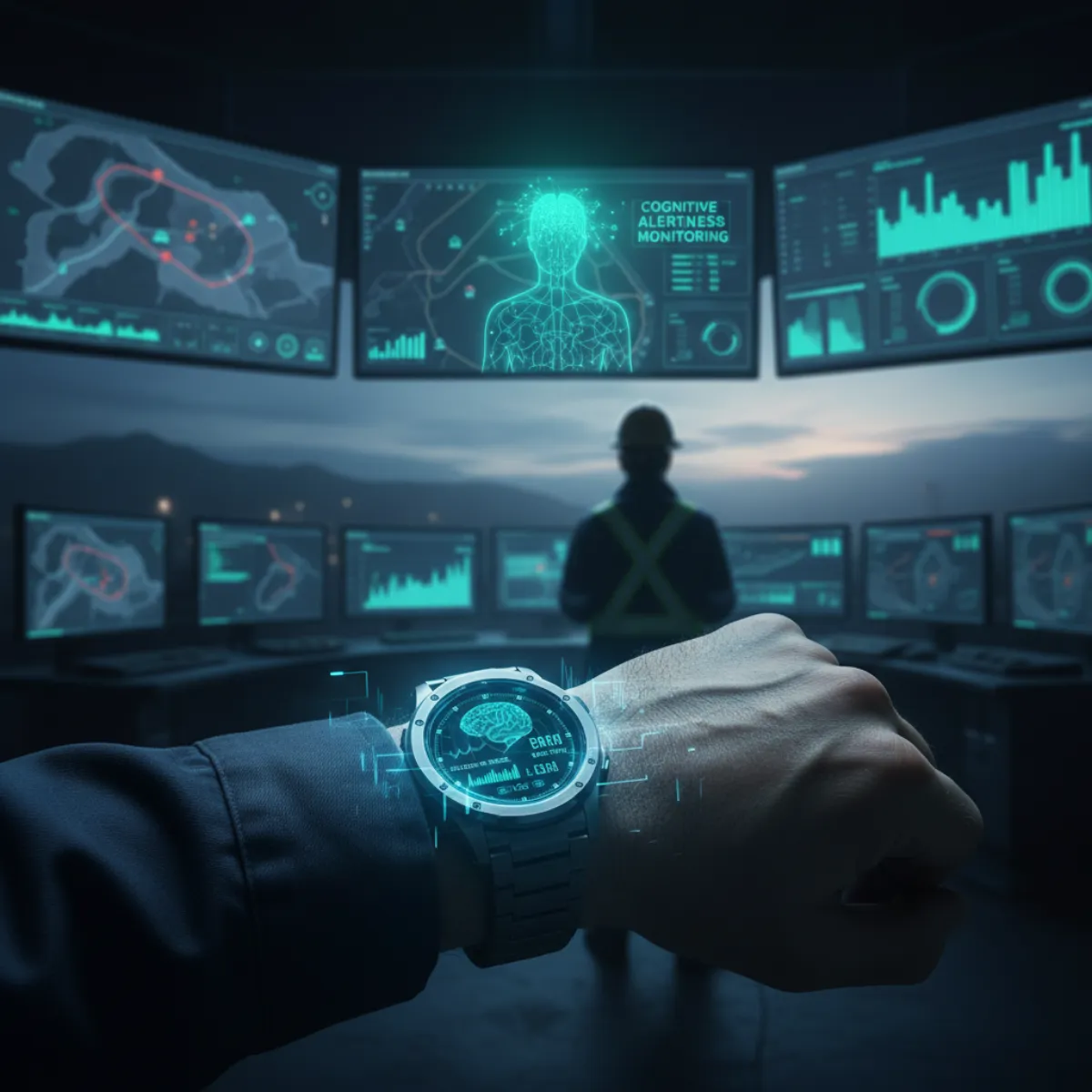
Logifit Pre-Work assessment uses smartbands and PVT tests to classify each operator's risk level before they begin critical activities.
Circadian Desynchronization
Occurs when shift work schedules contradict natural circadian rhythm signals. The result is persistent drowsiness and increased risk of microsleep episodes during critical operations.
According to NIOSH, night shift work employees experience drowsiness 3-4 hours into their shift. This drowsiness intensifies between 3:00-6:00 AM, coinciding with the natural deep sleep phase of circadian rhythm. (Source: NIOSH — Effects of Long Work Hours)
Critical Data: 76% of fatal mining accidents during night shifts occur when circadian rhythm indicates maximum sleepiness (MSHA 2024)
| Shift Time | Drowsiness Level | Accident Risk |
|---|---|---|
| 10:00 PM-2:00 AM | Moderate | 1.8x normal |
| 2:00 AM-6:00 AM | Severe | 3.2x normal |
| 6:00 AM-8:00 AM | Critical | 4.1x normal |
Early Warning Indicators of Drowsiness in Shift Work Operations
Early drowsiness detection enables intervention before disrupted circadian rhythm generates incidents. Modern fatigue management systems identify specific physiological signals.
Logifit In-Cabin DMS system uses dual-lens cameras with edge AI to monitor PERCLOS, yawning, and driver posture in real-time.
PERCLOS (Percentage of Eyelid Closure)
Measures the percentage of time eyelids remain closed. PERCLOS >15% indicates severe drowsiness requiring immediate intervention according to ISO standards. (Source: Sleep Foundation — Shift Work Disorder)
Effective fatigue management tracks multiple circadian rhythm biomarkers:
- Heart rate variability: Decreases 15-20% during nocturnal drowsiness episodes
- Core body temperature: Drops 0.5-1°C during critical circadian rhythm phase (3:00-6:00 AM)
- Reaction time (PVT): Increases >500ms when shift work desynchronizes circadian rhythm
- Microsleep events: 1-30 second episodes where the brain enters sleep patterns during wakefulness
Organizations implementing continuous circadian rhythm monitoring achieve 58% reduction in drowsiness accidents, according to Safe Work Australia 2024 data.
Fatigue Management Strategies to Optimize Circadian Rhythm
Comprehensive fatigue management combines technological and operational interventions to minimize shift work impact on natural circadian rhythm.
Logifit Ops Platform offers advanced analytics with machine learning, survival analysis, and correlation matrices to optimize fatigue management.
Structured Light Therapy
Controlled exposure to 10,000 lux light during the first 2 hours of shift work to readjust circadian rhythm and reduce drowsiness up to 40%.
The most effective fatigue management strategies include:
- Progressive shift rotation: Gradual changes that allow circadian rhythm adaptation without generating severe drowsiness
- Strategic 20-minute naps: During the 1:00-3:00 AM window when circadian rhythm indicates maximum sleepiness
- Continuous biometric monitoring: Smartbands that track sleep patterns and alert about circadian rhythm desynchronization
- Targeted nutritional management: Meal timing that reinforces circadian rhythm during shift work
Key fact: Strategic nap implementation reduces post-shift drowsiness by 47% according to ICMM 2024 studies
Real-Time Circadian Rhythm Monitoring Technology
Modern fatigue management systems use advanced sensors to continuously monitor circadian rhythm biomarkers during shift work.
Logifit integrates multiple technologies to detect circadian rhythm disruptions:
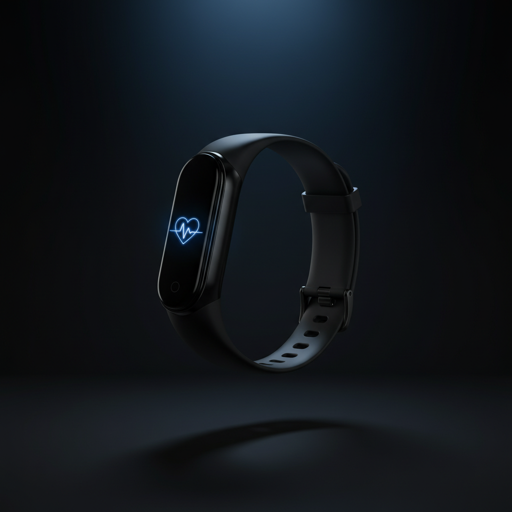
- PPG sensor smartbands: Monitor heart rate variability and REM sleep patterns to identify circadian desynchronization
- AI-powered DMS cameras: Detect drowsiness and microsleep in <300ms through PERCLOS and eye movement analysis
- Mobile PVT assessments: Measure psychomotor reaction time to quantify shift work impact on cognitive performance
Predictive Machine Learning
Algorithms that learn individual circadian rhythm patterns to predict drowsiness episodes with 92% accuracy up to 45 minutes in advance.
The fatigue management platform processes circadian rhythm data to generate preventive alerts. When it detects patterns indicating imminent drowsiness, it activates automatic intervention protocols.
The future of fatigue management lies in predicting drowsiness before it occurs, using circadian rhythm data as an early risk indicator.
— Roberto Martinez, Industrial Safety SpecialistImplementing Circadian Rhythm-Based Preventive Controls
Effective drowsiness accident prevention requires controls that adapt to natural circadian rhythm fluctuations during shift work.
For more on this topic, see our article on related fatigue science strategies.
Optimize Your Fatigue Management with Circadian Technology
Discover how Logifit can help your operation reduce drowsiness accidents through advanced circadian rhythm monitoring and automated preventive controls.
Request Demo →The most effective controls include:
| Preventive Control | Optimal Timing | Drowsiness Reduction |
|---|---|---|
| Critical task rotation | Every 2-3 hours | 35% |
| Active breaks | 3:00 and 5:00 AM | 42% |
| Biometric verification | Continuous | 58% |
Fatigue management success depends on integrating these controls with circadian rhythm monitoring systems that provide actionable real-time data.
Operations that synchronize preventive controls with circadian rhythm data achieve 73% reduction in shift work drowsiness incidents, according to OSHA 2024 analysis.
Successful implementation requires specific training in recognizing circadian desynchronization symptoms and clear response protocols when systems detect critical drowsiness. (Source: WHO — Occupational Health)
In conclusion, effective fatigue management in 2026 must integrate continuous circadian rhythm monitoring with automated preventive controls. Only then can shift work operations minimize drowsiness and protect worker lives through interventions based on proven circadian science.