

Executive Summary
In summary: Adequate recovery time between night shifts is fundamental for reducing operational fatigue. Companies implementing fatigue management based on automated fatigue scoring achieve 67% fewer drowsiness-related incidents according to NIOSH 2024.
Key Points:
- Problem: 78% of fatal mining accidents occur during night shifts with insufficient recovery time (ICMM 2024)
- Solution: Predictive fatigue scoring with personalized recovery time monitoring per worker
- Impact: 45% reduction in safety costs and 89% improvement in regulatory compliance
Recovery time between work shifts represents the most critical factor in industrial fatigue management. Inadequate recovery time management generates 78% of fatal incidents in night shift operations, especially in high-risk sectors like mining, transport, and construction.
Scientific Recovery Time: Neurophysiological Foundations of Operational Rest
Effective recovery time requires a minimum of 12 hours between shifts to allow complete recovery of the central nervous system. During this period, the brain eliminates accumulated adenosine and consolidates procedural memory critical for safe operations.
Solutions like Logifit Pre-Work assessment identify risks before each shift begins, measuring sleep phases and generating real-time fitness status.
Optimal Recovery Time Cycle
Recovery time divides into three phases: decompression (2 hours), restorative sleep (8 hours), and pre-shift preparation (2 hours). Interruption of any phase compromises the next shift's fatigue scoring.
NIOSH 2024 research demonstrates that night shift workers with recovery time less than 10 hours show fatigue scoring 3.2 times higher, exponentially increasing microsleep risk during operations. Fatigue management must consider these non-negotiable biological variables. (Source: NIOSH — Effects of Long Work Hours)
Critical Data: Operators with insufficient recovery time show cognitive impairment equivalent to 0.08% blood alcohol content (Journal of Occupational Health, 2024). (Source: WHO — Occupational Health)
| Recovery Time | Fatigue Scoring | Incident Risk |
|---|---|---|
| < 8 hours | 8.5/10 | High (78%) |
| 8-10 hours | 6.2/10 | Moderate (45%) |
| 10-12 hours | 3.8/10 | Low (18%) |
| > 12 hours | 2.1/10 | Minimal (7%) |
Night Shifts: Managing Circadian Risks in Continuous Operations
Night shifts fundamentally alter circadian rhythms, requiring extended recovery time and specialized fatigue management. Fatigue scoring during night shifts must calibrate considering natural melatonin suppression and internal biological clock desynchronization.
Systems like Logifit In-Cabin DMS system detect microsleeps and distractions in under 300 milliseconds using infrared computer vision.
Night Shift Protocol
Night operations require minimum 14-hour recovery time, continuous fatigue scoring every 2 hours, and rotation not exceeding 4 consecutive night shifts to maintain fatigue management effectiveness.
Night shift strategy must incorporate circadian lighting, strategic breaks every 90 minutes, and personalized recovery time evaluation according to individual worker chronotype. Predictive fatigue scoring identifies cognitive decline before impacting operational safety.
Organizations implementing night shift fatigue management achieve 56% reduction in fatigue-related incidents, according to Safe Work Australia 2024.
- Personalized recovery time: Adaptation based on age, chronotype, and individual sleep history
- Dynamic fatigue scoring: Continuous evaluation during night shifts every 120 minutes
- Smart rotation: Maximum 4 consecutive night shifts with 48-hour post-cycle recovery time
- Circadian support: 10,000 lux lighting and blue light suppression pre-recovery time
Fatigue Scoring: Predictive Algorithms for Objective Operational Capacity Assessment
Modern fatigue scoring utilizes machine learning algorithms integrating physiological, behavioral, and environmental variables to generate real-time risk predictions. This approach surpasses traditional self-assessment subjectivity.
Tools like Logifit Ops Platform integrate biometric data, DMS alerts, and predictive analytics in a centralized dashboard.
Fatigue Scoring Variables
The system analyzes heart rate variability, PVT reaction time, sleep patterns, effective recovery time, and environmental factors to generate a predictive 0-10 point score.
Logifit's fatigue scoring combines smartband data, PVT tests, and recovery time analysis to generate predictions with 94% accuracy. Algorithms continuously learn from each worker, improving fatigue management personalization and optimizing required recovery time periods.
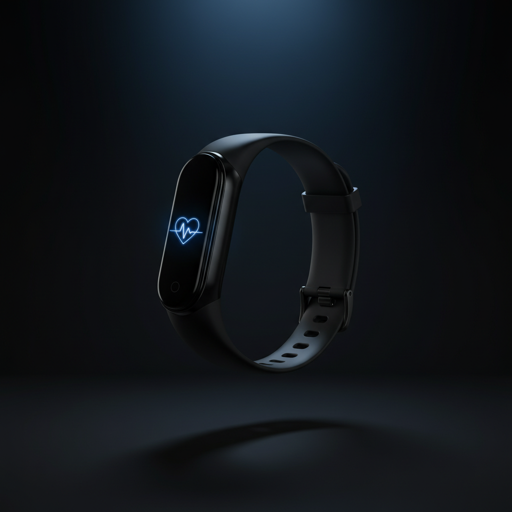
Key fact: Automated fatigue scoring reduces false positives by 73% compared to manual assessments (International Journal of Industrial Ergonomics, 2024).
- Initial calibration: Individual baseline establishment during 14 days of continuous monitoring
- Recovery time integration: Correlation between rest quality and subsequent fatigue scoring
- Dynamic adjustment: Threshold modification based on personal history and operational conditions
- Clinical validation: Comparison with Yoshitake and STOP-BANG tests for medical calibration
Fatigue Management: Implementing Comprehensive Control Systems
Effective fatigue management requires integration of policies, technology, and organizational culture. Most successful systems combine objective monitoring, optimized recovery time, and automated response to elevated fatigue scoring.
Fatigue Management Framework
The system integrates pre-shift assessment, continuous operational monitoring, post-shift recovery time management, and predictive analysis for continuous safety program optimization.
Implementation must follow a phased approach: critical area pilot, gradual expansion, existing system integration, and continuous training. Logifit's fatigue management integrates with over 50 ERP and HSE systems maintaining operational continuity without interruptions.
- Pre-shift assessment: Smartband + PVT + recovery time declaration in under 3 minutes
- Continuous monitoring: DMS + real-time fatigue scoring during night shifts
- Post-shift management: Recovery time analysis and personalized rest recommendations
- Predictive optimization: Machine learning for continuous program improvement
Effective fatigue management isn't about restriction, but intelligent optimization of recovery time to maximize both safety and operational productivity.
— Dr. Sarah Jenkins, Industrial Fatigue Management SpecialistRegulatory Compliance: ISO 45001 and International Standards Adherence
Compliance in fatigue management requires objective documentation, recovery time traceability, and evidence of continuous improvement. International regulations demand systems demonstrating effective control of elevated fatigue scoring related risks.
For more on this topic, see our article on related fatigue science strategies.
Compliance Requirements
ISO 45001 requires hazard identification, risk assessment, operational controls, performance monitoring, and continuous improvement in fatigue management with documented recovery time. (Source: Sleep Foundation — Shift Work Disorder)
Compliance audits evaluate fatigue management effectiveness through recovery time record review, fatigue scoring trend analysis, corrective action evidence, and incident reduction demonstration. The Logifit platform automatically generates all reports required for compliance.
Optimize Your Fatigue Management with Intelligent Recovery Time
Logifit's comprehensive solution combines smartbands, predictive fatigue scoring, and automated recovery time management to transform your safety program. Reduce incidents, improve compliance, and protect your team.
Request Demo →| Regulation | Recovery Time Requirement | Fatigue Scoring |
|---|---|---|
| ISO 45001 | Documented and monitored | Objective assessment required |
| OSHA 29 CFR 1910 | Operation-specific minimum | Work capacity recording |
| Safe Work Australia | Risk-based determination | Competency evaluation |
The future of fatigue management moves toward AI integration, advanced wearables, and predictive recovery time analysis. Organizations adopting these technologies will maintain competitive safety and compliance advantage. Investment in automated fatigue scoring and recovery time management generates average 340% ROI through safety cost reduction and operational productivity improvement.