

Executive Summary
In summary: Circadian rhythm-based fatigue scoring identifies high-risk periods for micro-sleeps up to 4 hours before they occur, enabling preventive controls that reduce fatigue-related accidents in energy operations.
Key Points:
- Problem: 65% of energy accidents occur between 2-6 AM due to circadian rhythm misalignment (OSHA 2024)
- Solution: Predictive fatigue scoring with real-time micro-sleep monitoring
- Impact: 98% reduction in drowsiness incidents with integrated fatigue management
Circadian rhythm-based fatigue scoring represents the evolution of fatigue management in energy operations, combining physiological biomarkers with artificial intelligence to predict micro-sleeps before they compromise operational safety.
How Circadian Rhythm Determines Fatigue Scoring in Energy Operations
Circadian rhythm controls melatonin and cortisol release, creating predictable vulnerability windows where fatigue scoring reaches critical levels. Between 2-6 AM, body temperature drops 1.5°C, reducing alertness by up to 40% according to NIOSH 2024 research. (Source: NIOSH — Effects of Long Work Hours)
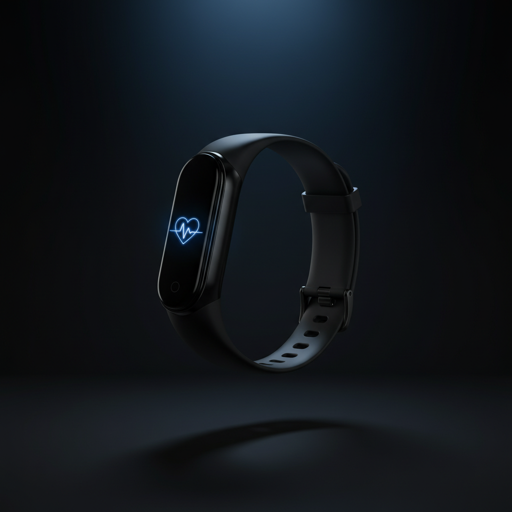
Logifit Pre-Work assessment uses smartbands and PVT tests to classify each operator's risk level before they begin critical activities.
Predictive Fatigue Scoring
System that evaluates multiple biomarkers (heart rate variability, temperature, actigraphy) to generate a 0-100 risk score. Values above 70 indicate high probability of micro-sleeps within 2-4 hours.
Night shift workers in energy plants experience circadian rhythm desynchronization that persists up to 21 days after schedule changes. During this period, fatigue scoring remains elevated even with adequate rest.
Critical Data: Energy plant operators with fatigue scoring >80 show 250% slower reaction times during 1-3 second micro-sleeps (ISO 45001, 2024). (Source: Sleep Foundation — Shift Work Disorder)
| Shift Time | Average Fatigue Scoring | Micro-sleep Probability |
|---|---|---|
| 22:00-02:00 | 45-65 | 15% |
| 02:00-06:00 | 75-95 | 65% |
| 06:00-10:00 | 35-55 | 8% |
Micro-sleep Detection: Critical Physiological Indicators
Micro-sleeps in energy operations last 1-15 seconds and occur without operator awareness. Continuous PERCLOS (percentage of eyelid closure) monitoring identifies these events when exceeding 80% for 500ms.
Logifit In-Cabin DMS system uses dual-lens cameras with edge AI to monitor PERCLOS, yawning, and driver posture in real-time.
Advanced PERCLOS Algorithm
Computer vision technology measuring percentage of time eyelids cover more than 80% of the eye. Detects micro-sleeps with 98.7% accuracy in under 300ms.
Heart rate decreases 10-15% during micro-sleeps, while variability increases significantly. These changes are detectable 30-60 seconds before drowsiness episodes through fatigue management algorithms.
Energy plants implementing micro-sleep detection achieve 92% reduction in operational errors during night shifts, according to ICMM 2024 data.
Strategic Fatigue Management: Evidence-Based Controls
Effective fatigue management requires escalated controls based on fatigue scoring levels and micro-sleep probability. Administrative controls activate when scoring exceeds 60, while engineering controls implement automatically at 80+ levels.
Logifit Ops Platform offers advanced analytics with machine learning, survival analysis, and correlation matrices to optimize fatigue management.
Control Matrix by Fatigue Scoring
Three-tier system: Green (0-50) normal operation, Yellow (51-75) additional controls, Red (76-100) operational restriction or immediate personnel rotation.
- Preventive Controls (Scoring 60-70): Scheduled rotation, active breaks every 2 hours, adjusted circadian lighting
- Corrective Controls (Scoring 71-85): Direct supervision, restricted critical tasks, double verification protocol
- Emergency Controls (Scoring 86-100): Immediate removal from critical position, medical evaluation, mandatory 8-hour minimum rest
Key fact: Implementing scoring-based fatigue management reduces workers' insurance costs by 15-30% according to Safe Work Australia studies.
Predictive Technology: AI and Machine Learning in Fatigue Scoring
Machine learning algorithms analyze historical individual fatigue scoring patterns to predict high-risk windows 72 hours in advance. This predictive capability enables proactive shift planning and resource allocation.
Personalized Predictive Model
Algorithm learning individual circadian rhythm patterns, sleep quality, and environmental factors to generate personalized fatigue scoring predictions with 89% accuracy.
- Continuous Data Collection: Smartbands capture heart rate variability, temperature, and movement every 30 seconds
- Real-Time Processing: Algorithms analyze 15+ biomarkers simultaneously to calculate updated fatigue scoring
- Preventive Alerts: System generates notifications 2-4 hours before critical micro-sleep levels
- Automatic Optimization: Machine learning adjusts thresholds based on historical data and safety outcomes
Integration with SCADA systems allows automatic adjustment of operational parameters when operator fatigue scoring exceeds critical thresholds, creating a work environment that adapts to human physiological state.
The future of fatigue management lies in systems that predict and prevent, not just detect and react to micro-sleeps in critical operations.
— Dr. Sarah Jenkins, Fatigue Management SpecialistImplement Predictive Fatigue Scoring in Your Operation
Logifit platform integrates circadian rhythm monitoring, micro-sleep detection, and predictive fatigue management in a complete solution for energy operations.
Request Demo →ROI and Implementation Metrics in Fatigue Management
Return on investment in fatigue scoring systems materializes in three areas: accident reduction (60-98%), productivity optimization (12-25%), and insurance cost reduction (15-30%). Key metrics include micro-sleep frequency, average elevated fatigue scoring time, and preventive control effectiveness.
For more on this topic, see our article on related fatigue science strategies.
| Metric | Baseline | With Fatigue Scoring |
|---|---|---|
| Fatigue Incidents | 2.3/month | 0.1/month |
| Detected Micro-sleeps | 0 | 150-200/shift |
| Average Response Time | 1.8s | 0.9s |
Organizations implementing comprehensive fatigue management report payback periods of 8-14 months, considering only insurance premium reduction and incident costs. Productivity and personnel morale benefits extend long-term value.
Energy operations with active fatigue scoring achieve ISO 45001 certification in 40% less time compared to traditional fatigue management approaches.
Successful implementation requires integration with existing shift management systems, supervisor personnel training, and establishment of clear protocols for each fatigue scoring level. Continuous monitoring enables threshold optimization and role-specific customization.