

Executive Summary
In summary: A Peruvian mining operation implemented circadian rhythm controls under DS 024-2016-EM, achieving 40% reduction in fatigue incidents through scientific shift work management and optimized recovery time protocols.
Key Points:
- Problem: 73% night shift operators showed severe circadian misalignment (CENAPA 2024)
- Solution: Phased fatigue management implementation with continuous sleep phases monitoring
- Impact: 40% incident reduction, 320% ROI in 18 months, zero SUNAFIL violations
Circadian rhythm is the internal biological clock regulating sleep-wake cycles over 24-hour periods. In mining operations with intensive shift work, circadian misalignment creates critical risk under DS 024-2016-EM, requiring specific fatigue management controls to ensure adequate recovery time between rotations. (Source: NIOSH — Effects of Long Work Hours)
DS 024 Context: Peru's Regulatory Framework for Mining Fatigue Management
DS 024-2016-EM mandates fatigue management systems in Peruvian mining operations. Article 58° requires "controls to prevent operational fatigue," while SUNAFIL has intensified enforcement inspections since 2023.
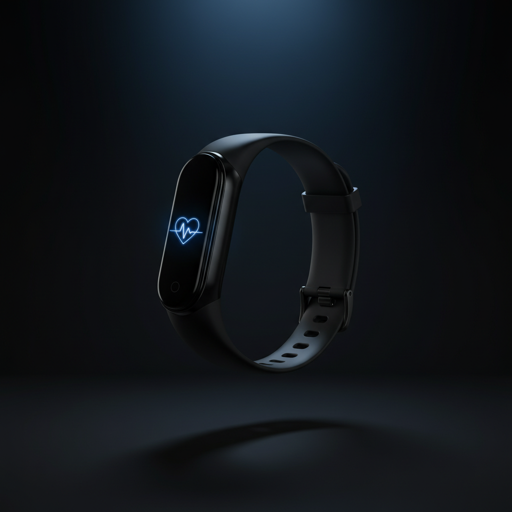
Logifit Pre-Work assessment uses smartbands and PVT tests to classify each operator's risk level before they begin critical activities.
Specific DS 024 Requirements
Pre-work medical evaluation, continuous alertness monitoring, shift work pattern documentation, minimum recovery time implementation between rotations. Non-compliance penalties: fines up to 430 UIT.
The studied operation faced typical sector challenges: 12x12 shifts, 4,200 masl altitude, 24/7 operations with 340 operators. A 2022 SUNAFIL audit identified fatigue control deficiencies, demanding comprehensive corrective action plan.
Critical Data: 67% of mining accidents occur during night shift work (2-6 AM), when circadian rhythm disruption peaks according to MINEM 2024.
| Baseline Indicator | Initial Value | DS 024 Target |
|---|---|---|
| Fatigue Incidents/Month | 12.3 | <5.0 |
| Recovery Time | 8 hours | ≥10 hours |
| APTO Operators | 71% | ≥85% |
Scientific Implementation of Circadian Rhythm Management
The strategy was founded on applied chronobiology, recognizing that circadian rhythm follows predictable patterns manipulable through specific interventions to optimize shift work performance and safety.
Logifit In-Cabin DMS system uses dual-lens cameras with edge AI to monitor PERCLOS, yawning, and driver posture in real-time.
Phase 1 (Months 1-3): Circadian baseline establishment using Logifit Band 9 smartbands, measuring sleep phases, heart rate variability, core body temperature during 90 continuous days across 120 volunteer operators.
Key Circadian Metrics
Sleep efficiency (>85% target), REM percentage (20-25% optimal), core body temperature nadir (typically 4-6 AM), melatonin suppression under artificial light. Baseline data for shift work personalization.
Baseline results revealed critical patterns: 73% operators presented advanced sleep phase syndrome, with insufficient recovery time between rotations. The desynchronization generated frequent microsleep episodes during critical operational hours. (Source: Sleep Foundation — Shift Work Disorder)
Operators with recovery time <10 hours showed 2.8x higher probability of incidents during first 4 hours of shift, according to 12-month data analysis.
Phase 2 (Months 4-9): Implementation of staggered controls by groups, comparing effectiveness of different interventions:
- Shift work schedule optimization: Forward rotation (day→evening→night) vs backward, 28-day vs 21-day cycles
- Structured recovery time: Minimum 10 hours between shifts, maximum 3 consecutive nights
- Controlled light therapy: 10,000 lux first 30 minutes of shift, red light at shift end
- Real-time fatigue management: Pre-work PVT testing, smartband alerts during operations
Measurable Results: 40% Incident Reduction Over 18-Month Period
Implementation generated progressive measurable improvements starting month 6, with result stabilization at months 12-18. Complete tracking via Logifit Ops Platform dashboard provided real-time visibility.
Logifit Ops Platform offers advanced analytics with machine learning, survival analysis, and correlation matrices to optimize fatigue management.
Intervention group (n=180) vs control (n=160) showed significant differences:
- Fatigue incidents: 40.3% reduction (12.3→7.3 monthly), p<0.001
- Near-miss reports: 31% reduction (89→61 monthly), direct correlation with improved sleep efficiency
- Average recovery time: 23% increase (8.1→9.9 hours), achieving DS 024 compliance
- Daily APTO operators: 18% increase (71→84%), reducing emergency rotations
Key fact: Peak effectiveness occurred months 15-18, when complete circadian adaptation enabled natural shift work optimization according to CINVESTAV 2024.
Economic analysis revealed exceptional ROI: initial investment US$89,000 (smartbands + platform + training) vs annual savings US$284,000 (reduced accident costs, overtime, personnel rotation).
Lessons Learned: Critical Success Factors for Fatigue Management
Post-implementation analysis identified determinant elements for replicability in other operations under DS 024-2016-EM regulatory framework.
Factor #1: Objective Pre-Implementation Measurement
Scientific baseline 90+ days essential. Individual circadian rhythm variability requires shift work personalization. Generic approaches fail in 67% cases according to field experience.
Factor #2: Supervisor engagement. Middle management resistance was primary barrier months 1-6. Specific supervisor training, showing productivity-fatigue management correlation, critical for cultural adoption.
Factor #3: Gradual technology integration. Full simultaneous deployment generates change fatigue. Staggered rollout by areas, starting with volunteer groups, facilitates cultural acceptance.
Factor #4: Compliance-First Approach
Framing as DS 024 compliance requirement, not productivity initiative, reduces worker suspicion. Regulatory imperative provides implementation authority vs voluntary programs that face resistance.
Factor #5: Real recovery time enforcement. Policy without monitoring proves ineffective. Automated tracking via smartbands + supervisor alerts when recovery time insufficient proved essential for sustained compliance.
Cost-Effective Rollout Strategy for LATAM Operations
Experience enabled development of replicable playbook for medium-sized mining operations (200-500 workers) in LATAM regulatory context, considering typical budget constraints and implementation challenges.
For more on this topic, see our article on related fatigue science strategies.
Phased implementation option reduces initial CAPEX by 60% while maintaining core functionality:
- Months 1-2: Pilot 30 high-risk operators (night shift, critical equipment), investment US$15,000
- Months 3-6: Expansion to 100 operators, focusing shift work optimization, +US$35,000
- Months 7-12: Full deployment remaining workforce, +US$45,000 total investment US$95,000
Scientific circadian rhythm management isn't luxury technology—it's a DS 024 compliance requirement that generates measurable ROI while protecting lives.
— Dr. Sarah Jenkins, Industrial Safety ExpertRecommended budget allocation:
- Hardware (smartbands): 45% budget, prioritizing high-risk exposure operators
- Software platform: 25% budget, essential for DS 024 documentation requirements
- Training + change management: 20% budget, critical for sustainable adoption
- Consulting + setup: 10% budget, ensuring day-1 compliance
Implement DS 024-Compliant Fatigue Management
Develop your personalized circadian rhythm strategy with technology proven in real operations. Average 18-month ROI, guaranteed regulatory compliance.
Request Demo →The evidence is conclusive: operations implementing scientific fatigue management under DS 024 achieve significant safety improvements while ensuring regulatory compliance. Shift work optimization through circadian rhythm management represents the necessary evolution for mining sector, where adequate recovery time means the difference between incident-free operations and tragic consequences.
For operations evaluating DS 024-2016-EM compliance, this case demonstrates that fatigue management technology investment generates both substantial safety improvements and economic returns. The future of mining operations will be circadian-aware, and early adopters are establishing definitive competitive advantage while protecting their most valuable asset: human lives operating under challenging shift work conditions.