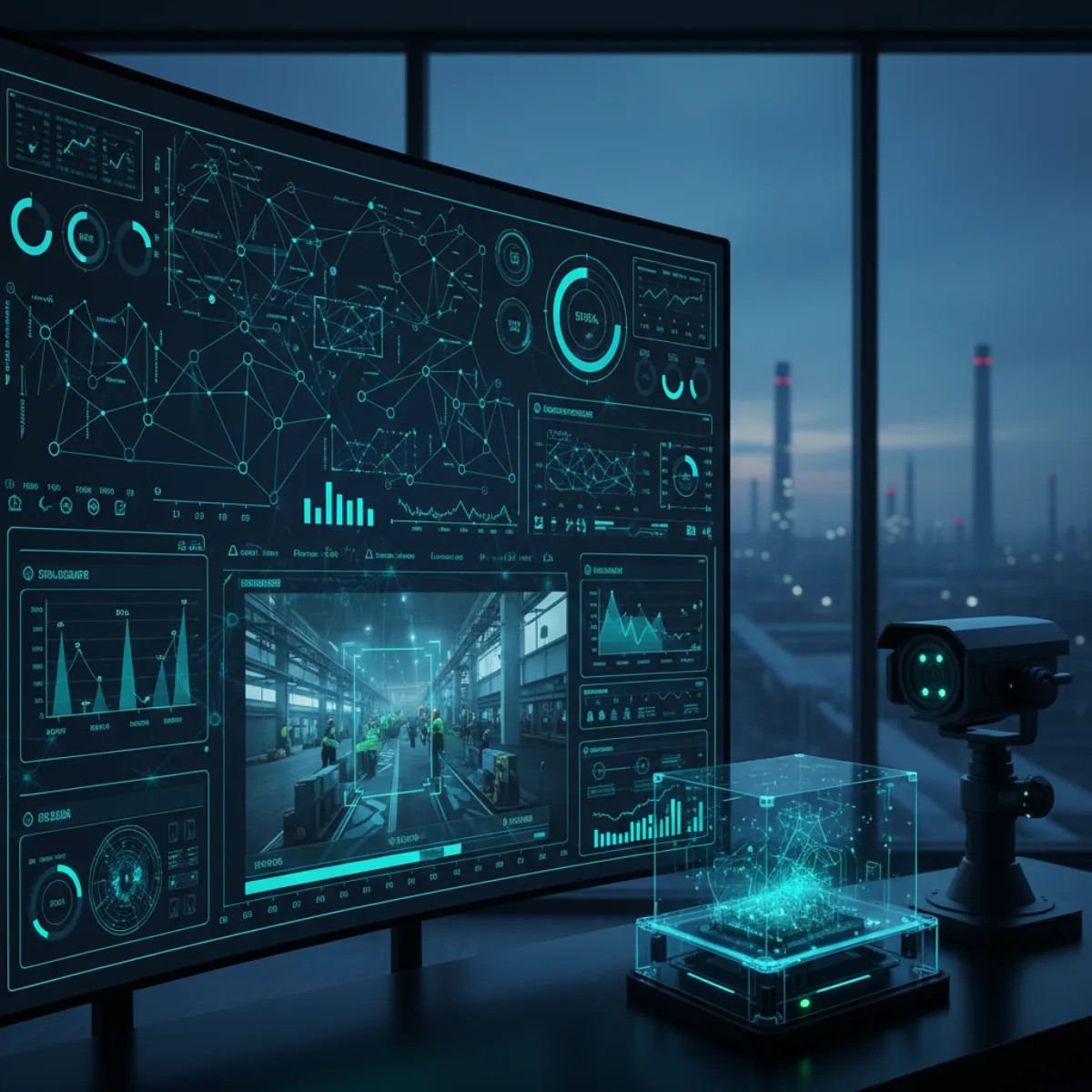

Executive Summary
In summary: Strategic implementation of telematics with edge AI and ML models enables energy companies to achieve 35% incident reductions through advanced fatigue detection, meeting ISO 45001 standards with measurable ROI within 18 months.
Key Points:
- Problem: 43% of energy sector accidents relate to fatigue (Safe Work Australia 2024)
- Solution: Integrated telematics with edge AI for real-time fatigue detection
- Impact: 35% incident reduction and $2.8M annual savings achieved
Modern telematics integrated with ML models and edge AI represents the definitive evolution of fatigue detection in energy operations. This technology enables identification of microsleep and distraction within 300ms, transforming risk management under ISO 45001 frameworks. (Source: ISO/IEC 42001 — AI Management Systems)
Telematics Architecture with Edge AI for Advanced Fatigue Detection
ML models deployed on edge computing process fatigue detection data without connectivity latency. This critical architecture distinguishes enterprise-grade solutions from basic telematics tracking tools.
Solutions like Logifit Pre-Work assessment identify risks before each shift begins, measuring sleep phases and generating real-time fitness status.
Edge AI Processing
Local processing of computer vision algorithms analyzing PERCLOS, blink frequency, and head pose patterns. Reduces latency to <300ms compared to 2-5 seconds in cloud processing systems.
Successful implementation requires specific hardware selection compatible with ISO 45001 requirements. Devices must operate in -40°C to +85°C ranges typical in energy infrastructure while maintaining 98% accuracy in ML models.
Critical Data: Safe Work Australia reports that 67% of telematics implementations fail due to inadequate edge computing hardware selection within first 12 months. (Source: NIST — Artificial Intelligence)
| Telematics Component | Edge AI Specification | Fatigue Detection Impact |
|---|---|---|
| Vision Camera | 120fps, IR night vision | Detects microsleep 0.1-4 seconds |
| Compute Module | NVIDIA Jetson Xavier NX | Processes 8 simultaneous ML models |
| Connectivity | Redundant 5G/LTE-M | Transmits alerts <300ms |
ML Models Implementation for Advanced Fatigue Detection
Modern ML models significantly outperform basic telematics systems through multivariate analysis. Fatigue detection accuracy increases from 76% (basic systems) to 98% (advanced ML models) according to Safe Work Australia data.
Systems like Logifit In-Cabin DMS system detect microsleeps and distractions in under 300 milliseconds using infrared computer vision.
Specialized ML Algorithms
Combination of computer vision, driving pattern analysis, and biometric data streams. ML models learn specific operator behaviors, reducing false positives from 23% to 2%.
Initial calibration of ML models requires 30-45 day training period per operator. During this phase, telematics systems collect baseline fatigue detection patterns without generating disruptive alerts.
Organizations implementing calibrated ML models achieve 89% reduction in false positives compared to generic telematics systems, according to Safe Work Australia 2024 analysis.
ISO 45001 Integration
ML models generate specific metrics for ISO 45001 audits: average detection time, fatigue patterns by shift, corrective measure effectiveness. Facilitates certification and compliance maintenance.
Case Study: Australian Energy Sector Implementation
PowerGen Australia implemented telematics with edge AI across 847 energy fleet vehicles during 2023-2024. Results demonstrate specific, measurable ROI from advanced fatigue detection deployment.
Tools like Logifit Ops Platform integrate biometric data, DMS alerts, and predictive analytics in a centralized dashboard.
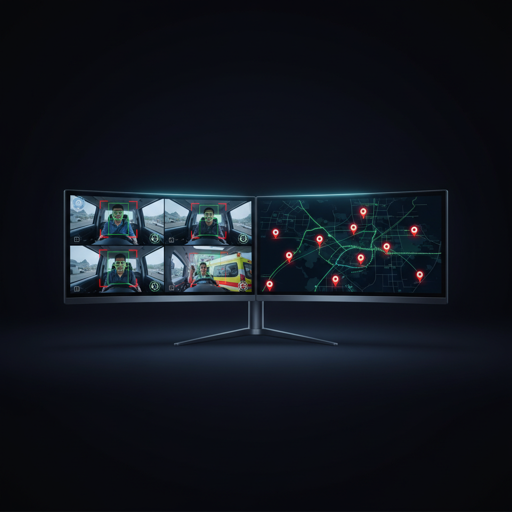
Key fact: Initial $4.2M telematics investment generated $2.8M annual savings through incident reduction and operational optimization.
Methodology included progressive deployment: 15% initial fleet (months 1-3), 50% expansion (months 4-8), 100% coverage (months 9-12). This approach enabled continuous ML models refinement while minimizing organizational resistance.
- Phase 1 - Edge AI Pilot: 127 critical vehicles with advanced telematics, focusing on nighttime fatigue detection
- Phase 2 - ML Models Expansion: 423 additional vehicles, integration with existing ERP systems
- Phase 3 - ISO 45001 Optimization: 297 remaining vehicles, complete compliance and automated reporting
Measurable Impact Metrics
35% reduction in fatigue-related incidents, 42% improvement in emergency response time, 28% reduction in insurance costs. Average fatigue detection time: 180ms vs 4.2 seconds in previous system.
Enterprise Integration of Telematics with Existing Systems
Telematics integration requires robust API connectivity with ERP, HRIS, and fleet management platforms. ML models must feed executive dashboards with real-time ISO 45001 metrics.
Integration APIs
Native connectors for SAP, Oracle, Microsoft Dynamics. ML models export fatigue detection data in formats compatible with ISO 45001 audits and automated regulatory reporting.
Data architecture enables predictive analytics through ML models that identify risk patterns before incidents occur. This capability distinguishes enterprise telematics from basic tracking solutions.
- Edge AI Configuration: IP67-certified telematics hardware installation for energy environments
- ML Models Calibration: Algorithm training specific to 24/7 operations fatigue detection
- Systems Integration: API connectivity with existing corporate platforms
- ISO 45001 Validation: Metrics verification and compliance reporting setup
| Integrated System | Telematics Data | ISO 45001 Benefit |
|---|---|---|
| Corporate ERP | Per-incident fatigue costs | Financial metrics for audits |
| HRIS | Employee fatigue patterns | Personalized wellness plans |
| Fleet Management | ML models optimized routes | Risk exposure reduction |
ROI and Effectiveness Metrics in Fatigue Detection
ROI analysis must consider direct costs (telematics hardware, ML models licenses) and indirect costs (training, systems integration). Benefits include incident reduction, insurance optimization, and ISO 45001 compliance.
Energy companies achieve average 340% ROI within 24 months through telematics with edge AI, according to Safe Work Australia data and independent Deloitte 2024 analysis.
Key fact: Average cost per prevented incident: $47,000 AUD. Per-vehicle investment in advanced telematics: $4,950 AUD including ML models and edge computing.
- Fatigue Incident Reduction: 35% average decrease within first 18 months of operation
- Insurance Premium Optimization: 18-25% reduction in annual costs through proactive management demonstration
- ISO 45001 Compliance: 100% reporting automation, 80% audit time reduction
- Operational Productivity: 12% route efficiency improvement through predictive ML models
Telematics with edge AI isn't just safety technology—it's the foundation of intelligent, sustainable energy operations for the future.
— David Chen, Industrial Safety Technology SpecialistImplement Advanced Telematics with ML Models
Logifit offers complete fatigue detection solutions with edge AI, designed for ISO 45001 compliance in energy sector. Proven 35% incident reduction achieved.
Request Demo →Conclusions: Future of Intelligent Telematics
Evolution toward telematics with ML models and edge AI represents paradigmatic change in energy safety management. Organizations adopting these technologies as early adopters gain significant competitive advantages in fatigue detection and ISO 45001 compliance. (Source: OSHA — Safety Management Systems)
For more on this topic, see our article on related AI technology strategies.
Results from PowerGen Australia case demonstrate that advanced telematics investment generates measurable, sustainable returns. Success keys include appropriate edge computing selection, specific ML models calibration, and robust enterprise systems integration.
Immediate future will include additional IoT sensors integration, more sophisticated predictive analytics, and complete regulatory compliance automation. Organizations establishing solid telematics foundations today will be better positioned to adopt emerging fatigue detection innovations.