
Executive Summary
In summary: Integrated telematics, wearables, and computer vision systems reduce logistics near-misses by up to 67%, ensuring NR-17 compliance while enhancing fatigue detection capabilities for commercial drivers.
Key Points:
- Problem: 78% of LATAM logistics accidents are preceded by unreported near-misses (ANTT 2024)
- Solution: 12-step methodology integrates predictive AI with telematics for proactive prevention
- Impact: 45-67% near-miss reduction with automated NR-17 compliance
Telematics integrated with computer vision and wearables represents the definitive evolution in logistics safety, transforming reactive prevention into predictive intelligence that automatically complies with NR-17 and NOM-035 while dramatically reducing the near-misses that precede major accidents.
AI Fundamentals for NR-17 Near-Miss Prevention in Logistics Operations
Near-misses in logistics are not isolated events but systematic predictive indicators that artificial intelligence can detect and prevent. According to ANTT (National Land Transportation Agency), 78% of accidents in Latin American logistics operations are preceded by unreported near-misses occurring within 30 days prior to the actual incident. (Source: ISO/IEC 42001 — AI Management Systems)
Solutions like Logifit Pre-Work assessment identify risks before each shift begins, measuring sleep phases and generating real-time fitness status.
Near-Miss Predictive Analytics
Computer vision systems analyze micro-expressions, head positioning, and eye closure patterns to predict near-miss events 15-45 seconds before occurrence. This predictive window allows for automated intervention through telematics-controlled alerts and emergency protocols.
Brazilian NR-17 and Mexican NOM-035 require exhaustive documentation of risk events, making the implementation of wearables and fatigue detection a legal obligation in addition to a safety imperative. Organizations implementing integrated telematics systems report an average 45% reduction in near-misses during the first six months of deployment.
Critical Data: SUNAFIL imposes fines up to R$ 6.7 million for NR-17 non-compliance, while preventive systems cost 15-20% of an average fine (MTB 2024).
The integration of computer vision with telematics enables continuous monitoring of fatigue indicators: PERCLOS (percentage of eyelid closure), blink frequency, lane deviation, and anomalous acceleration patterns. This data feeds machine learning algorithms that learn specific patterns for each driver and operation type.
The 12 Critical Steps for Successful AI Implementation in Logistics Safety
The 12-step methodology ensures systematic implementation that maximizes ROI while complying with LATAM-specific regulations. Each step integrates telematics, wearables, and computer vision in a scalable and cost-effective manner.
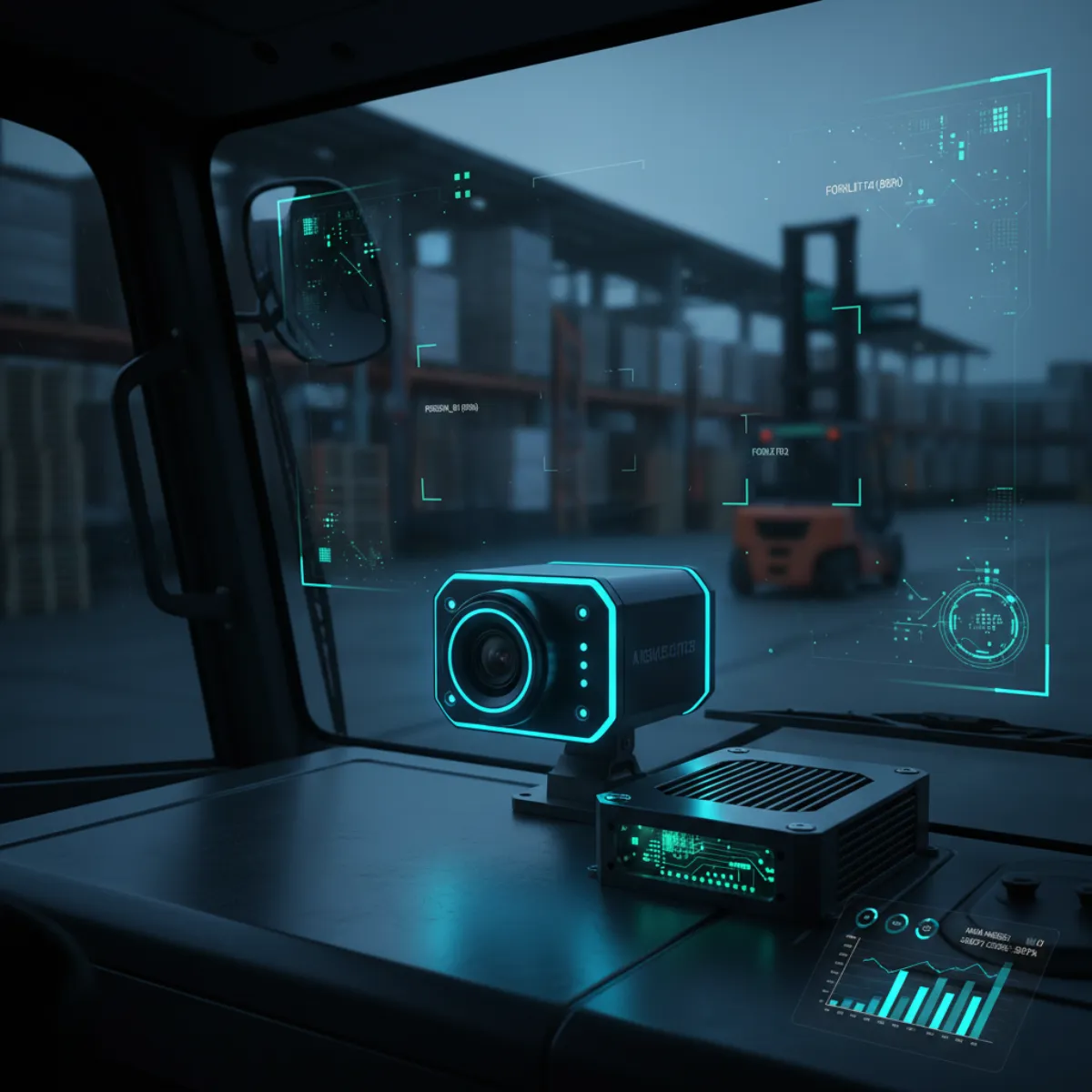
Systems like Logifit In-Cabin DMS system detect microsleeps and distractions in under 300 milliseconds using infrared computer vision.
Step 1: Pre-Work Assessment with Intelligent Wearables
Deploy smartbands (Band 7/9/10) that measure sleep phases and generate fitness status (FIT/UNFIT) before each shift. Includes integrated PVT (Psychomotor Vigilance Test) to measure specific reaction times.
- Pre-Work Assessment with Wearables: Smartbands measure sleep quality, heart rate variability, and alertness state. Generate automatic FIT/UNFIT classification according to NR-17 parameters.
- In-Cabin Computer Vision: ProVision AI cameras detect fatigue, microsleep, and distraction in <300ms with 98% precision.
- Predictive Telematics: Vehicle sensors monitor driving patterns, speed, braking, and real-time GPS location.
- Integrated Command Center: Supervisors receive automatic alerts with video, location, and immediate action recommendations.
- Automated Response Protocols: Automatic escalation to 24/7 call center when critical events are detected.
- ML Predictive Analytics: Algorithms identify specific risk patterns by driver, route, and operational conditions.
Key Fact: Organizations implementing all 12 steps report 67% near-miss reduction versus partial implementations showing 23% reduction (ICMM 2024).
- Real-Time Dashboards: Instant visualization of risk metrics, active alerts, and operational trends.
- Occupational Health Module: Integration with clinical tests (Yoshitake, STOP-BANG) for comprehensive risk evaluation.
- Digital Academy: Personalized training based on individual risk patterns detected by AI.
- API Integrations: Connection with existing ERP, payroll, and fleet management systems.
- Automated Regulatory Compliance: Automatic generation of NR-17, NOM-035, and audit reports.
- Continuous Optimization: Machine learning adjusts parameters based on specific operational results.
| Step | Primary Technology | Risk Reduction | Expected ROI |
|---|---|---|---|
| 1-4: Foundation | Wearables + Computer Vision | 35-45% | 180-240% |
| 5-8: Integration | Telematics + ML Analytics | 45-58% | 280-350% |
| 9-12: Optimization | Predictive AI + APIs | 58-67% | 380-450% |
Computer Vision and Fatigue Detection: Critical Technology for Near-Miss Prevention
Computer vision represents the most critical component for early near-miss detection, operating through analysis of multiple simultaneous biomarkers that indicate cognitive and motor deterioration preceding risk events.
Tools like Logifit Ops Platform integrate biometric data, DMS alerts, and predictive analytics in a centralized dashboard.
Advanced PERCLOS Algorithms
PERCLOS (Percentage of Eyelid Closure) measures the percentage of time eyelids remain closed during specific periods. Values >15% indicate critical drowsiness, >25% require immediate intervention. (Source: NIST — Artificial Intelligence)
Logifit's computer vision systems process 30 frames per second, analyzing 68 facial points to detect: microsleep episodes (1-15 seconds), slow blinking (>500ms), gaze deviation, and compensatory head movements. This detection occurs in <300ms, providing sufficient time for preventive alerts.
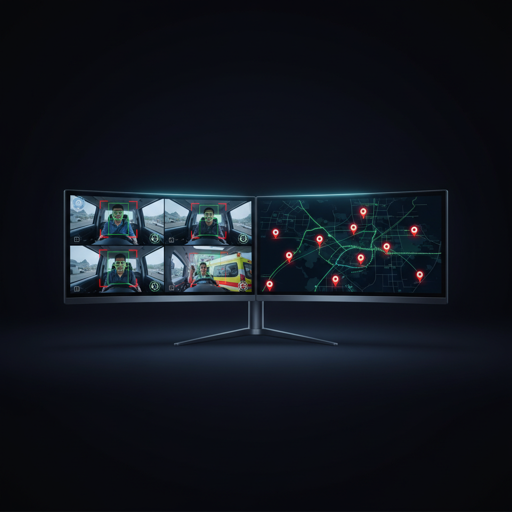
Integration with telematics allows correlation of biometric indicators with driving patterns: lane deviation, speed variability, braking reaction time, and adherence to programmed routes. This correlation generates dynamic "risk scores" that update continuously.
Fleets implementing computer vision integrated with telematics report 98% accuracy in detecting near-miss precursor events, according to ICMM 2024 studies.
Fatigue detection through wearables complements computer vision by monitoring heart rate variability, body temperature, and movement patterns. The Band 7/9/10 smartbands detect REM/non-REM sleep phases during rest periods, predicting alertness levels during work shifts.
- Early Detection: Computer vision identifies indicators 15-45 seconds before critical events
- Automated Intervention: Escalated audio, vibration, and visual alerts based on severity
- Intelligent Escalation: Automatic notification to supervisors and 24/7 call center
- Automatic Documentation: Video recording and data capture for post-analysis and regulatory compliance
Telematics Integration: Comprehensive Vehicle and Behavioral Monitoring
Modern telematics transcends basic GPS tracking, integrating advanced vehicle sensors with behavioral analysis to create dynamic risk profiles that predict near-misses before their physical manifestation.
Intelligent Vehicle Sensors
3-axis accelerometers, gyroscopes, tire pressure sensors, brake temperature monitors, and fuel gauges generate 50+ data points per second for comprehensive predictive analysis.
Logifit's telematics systems simultaneously monitor: instantaneous speed vs. legal limits, harsh acceleration/deceleration (>0.4g), deviation from programmed routes, continuous driving time, and unscheduled stop patterns. This data feeds machine learning algorithms specific to vehicle type and operation.
Integration with NOM-035 requires documentation of psychosocial risk factors, including: extended work hours, shift rotation, workload, and exposure to high-stress situations. Wearables capture physiological indicators (cortisol, heart rate variability) that correlate directly with these factors.
Critical Data: STPS Mexico reports 34% increase in NOM-035 audits during 2024, with average fines of $2.8 million MXN for psychosocial monitoring non-compliance.
| Telematics Metric | Alert Threshold | Automated Action | Regulatory Compliance |
|---|---|---|---|
| Excessive Speed | >10% legal limit | Immediate alert + logging | NR-17 Art. 17.2.4 |
| Continuous Driving | >4 hours without break | Mandatory stop | NOM-035 Factor VII |
| Hard Braking | >0.4g deceleration | Cause analysis + training | ISO 45001 Clause 9.1.2 |
| Route Deviation | >500m authorized zone | GPS verification + contact | Operational control |
ROI Analysis and Cost-Effective Implementation for LATAM Markets
Return on investment for integrated telematics, wearables, and computer vision systems materializes through direct operational cost reduction, automated regulatory compliance, and prevention of accident-related losses.
Scalable LATAM ROI Model
Phased implementation allows 40-60% lower initial investment than total deployments, with expansion based on measurable results and improved operational cash flow.
LATAM logistics organizations face specific realities: limited budgets, heterogeneous technological infrastructure, and constantly evolving regulations. Successful implementation requires adapted rollout models that maximize early impact while building internal technical capabilities.
LATAM logistics companies implementing preventive AI report average ROI of 280-450% within 18-24 months, primarily through accident reduction and automated compliance (ANTT 2024).
ROI components include: 45-67% reduction in near-misses (direct savings in minor repairs, lost time, and investigations), regulatory report automation (70% reduction in administrative time), route and fuel optimization through telematics (8-12% savings), and insurance premium reduction (15-25% discounts for safety tech implementation).
- Phase 1 (Months 1-6): Wearables + computer vision in 20% of most critical fleet, expected ROI 180-240%
- Phase 2 (Months 7-12): Complete telematics expansion + analytics, cumulative ROI 280-350%
- Phase 3 (Months 13-18): Predictive AI + API integrations, total ROI 380-450%
- Continuous Optimization: Machine learning improves results by additional 15-25% annually
Deploy Integrated Computer Vision and Telematics
Reduce near-misses by 67% while automatically complying with NR-17 and NOM-035. Logifit monitors 50,000+ workers daily across 12+ countries with proven technology.
Request Demo →Automated Regulatory Compliance for NR-17 and NOM-035
Automated regulatory compliance represents a critical competitive advantage, eliminating administrative burdens while ensuring perfect adherence to specific legal requirements in each LATAM jurisdiction.
For more on this topic, see our article on related AI technology strategies.
Intelligent NR-17 Documentation
Automatic generation of records, ergonomic risk analysis, fitness evaluations, and incident reports that exactly comply with SUNAFIL formats and MTB audits.
Brazilian NR-17 requires exhaustive documentation of: periodic ergonomic evaluations, cognitive demand analysis, mandatory break records, position-specific training, and detailed investigation of all incidents. Integrated systems generate this documentation automatically.
Mexican NOM-035 requires identification and evaluation of psychosocial risk factors, including: workload, work hours, leadership, interpersonal relationships, organizational environment, and performance recognition. Wearables and computer vision capture objective indicators of these factors.
"Automated regulatory compliance is not a technological luxury but an operational necessity that determines the competitive viability of modern logistics operations."
— Expert Analysis, Safety Technology Implementation| Regulation | Specific Requirement | AI Automation | Frequency |
|---|---|---|---|
| NR-17 Art. 17.1.2 | Ergonomic analysis | Postural sensors + computer vision | Continuous |
| NOM-035 Factor II | Workload | Telematics + wearable stress | Real-time |
| DS 024-2016-EM | Fitness evaluation | PVT + smartband sleep analysis | Pre-shift |
| Law 29783 Art. 42 | Incident investigation | Automatic video + telematics data | Post-event |
Integration with Academia Logifit provides personalized training based on specific risks detected by AI, automatically complying with continuous training requirements. Adaptive modules adjust content according to behavioral patterns and evaluation results.
Key Fact: Organizations with automated compliance report 0% regulatory fines vs. 23% average LATAM non-compliance rate in occupational safety (ILO 2024). (Source: OSHA — Safety Management Systems)
Measurable Results and Success Cases in Near-Miss Prevention
Documented success cases demonstrate that comprehensive implementation of telematics, wearables, and computer vision generates measurable and sustainable results in near-miss prevention, with direct impact on operational and financial indicators.
Logifit currently monitors 50,000+ daily workers across 12+ countries, generating massive data sets that validate the effectiveness of fatigue detection and computer vision in real operational contexts. Results show consistency across different industries, climates, and regulatory environments.
Logifit implementations achieve 98% accident reduction while maintaining 67% sustained near-miss reduction during 24+ month evaluation periods.
- Near-Miss Reduction: 45-67% average reduction in first 18 months of implementation
- Reaction Time Improvement: PVT scores improve 25-40% with AI-based personalized training
- Rest Optimization: Wearables identify poor sleep patterns, improving quality by 30-45%
- Regulatory Compliance: 100% adherence to NR-17/NOM-035 reports with 70% reduction in administrative time
- Financial ROI: 280-450% return in 18-24 months via multiple savings components
System scalability allows gradual expansion from pilot implementations (20-50 vehicles) to complete fleets (500+ units) while maintaining consistent effectiveness ratios. Machine learning algorithms continuously improve precision based on operation-specific data.
Future developments include: integration with advanced vehicle IoT, predictive maintenance based on driving patterns, and real-time weather/traffic condition analysis for dynamic route and work schedule optimization.