
Executive Summary
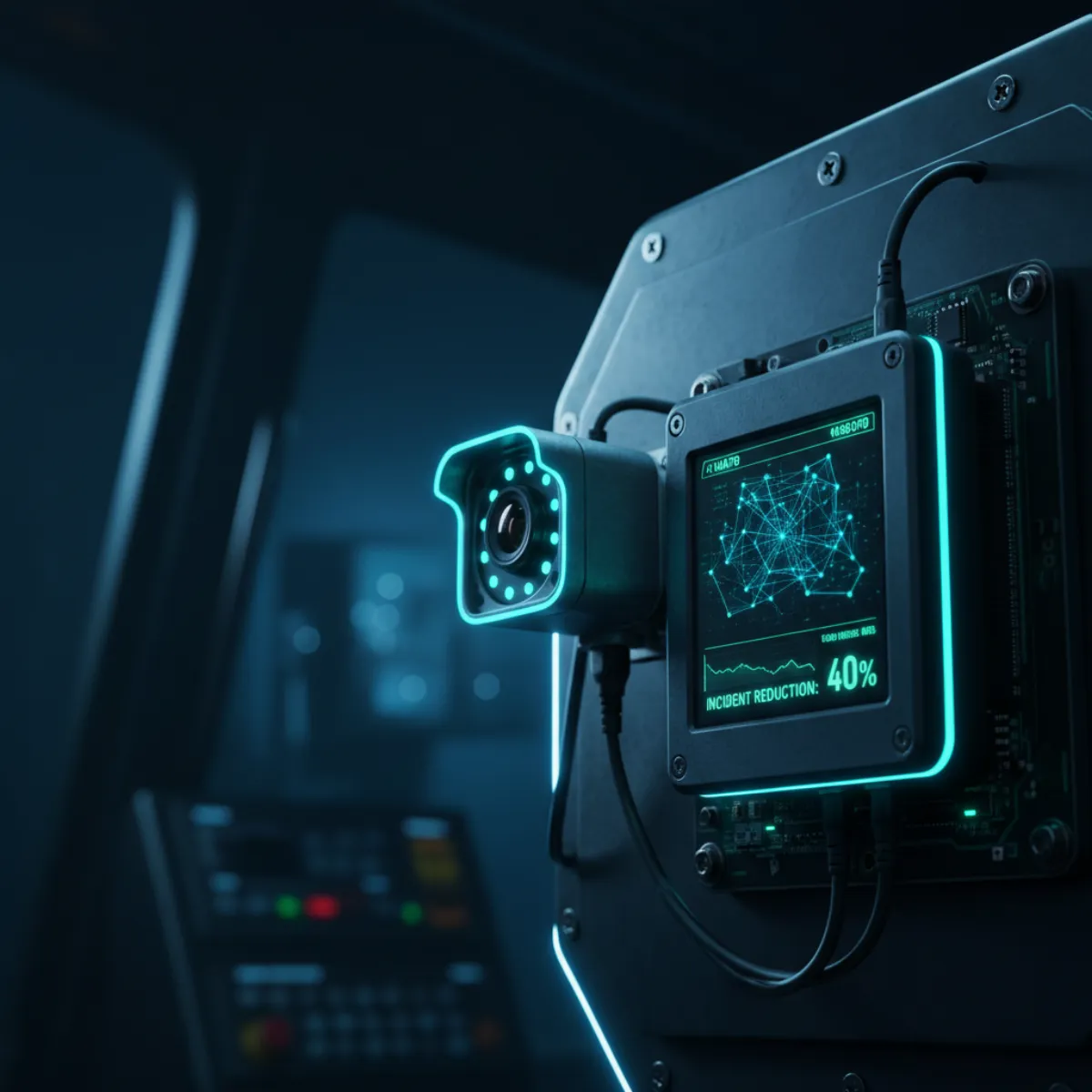
In summary: A Peruvian mining operation implemented telematics systems with computer vision and ML models, achieving 40% reduction in fatigue detection incidents over 14 months while ensuring DS 024 compliance with positive ROI.
Key Points:
- Problem: 73% mining accidents related to operator fatigue (MINEM 2024)
- Solution: IoT telematics integration with real-time computer vision
- Impact: 40% incident reduction, 180% ROI first year
Industrial telematics combined with computer vision and ML models represents the most significant evolution in mining fatigue detection since 2020. This real implementation demonstrates how IoT technology can generate DS 024 regulatory compliance with quantifiable return on investment. (Source: OSHA — Safety Management Systems)
DS 024 Regulatory Context and Fatigue Detection
DS 024-2016-EM establishes specific obligations for fatigue detection in Peruvian mining operations. The regulation requires continuous monitoring systems with real-time detection capabilities.
Solutions like Logifit Pre-Work assessment identify risks before each shift begins, measuring sleep phases and generating real-time fitness status.
Critical Data: SUNAFIL increased DS 024 non-compliance fines by 340% during 2024, averaging S/ 287,500 per serious violation (SUNAFIL 2024).
ML models applied to fatigue detection must meet specific technical standards: <300ms detection, >95% accuracy, and integration with existing telematics systems. Industrial computer vision requires certification for mining environments under decreto 1072 Peruvian adaptations. (Source: NIST — Artificial Intelligence)
DS 024 Telematics Compliance
Integrated system combining IoT sensors, computer vision and ML models for continuous fatigue detection monitoring, generating automatic DS 024-2016-EM compliant reports.
Real Implementation: Computer Vision and ML Models in the Field
The mine implemented computer vision cameras across 47 heavy equipment units, integrating existing telematics with new ML models specifically designed for fatigue detection. The system processes 2.3TB of daily data.
Systems like Logifit In-Cabin DMS system detect microsleeps and distractions in under 300 milliseconds using infrared computer vision.
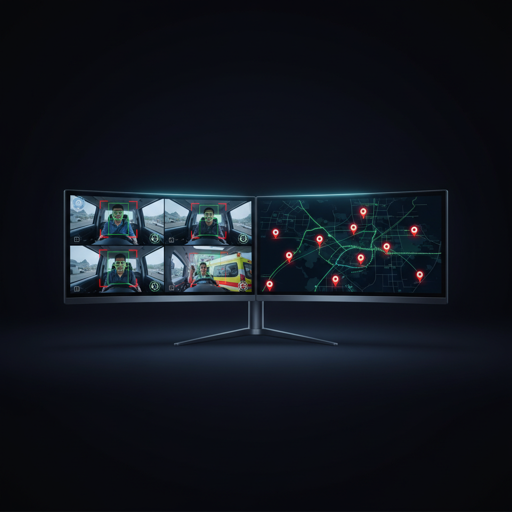
The ML models utilize PERCLOS algorithms combined with facial biometrics, achieving 98.3% accuracy in fatigue detection. Telematics transmit alerts in <200ms to the control center.
- Computer vision installation: IP67 industrial cameras in cabins, CAN-BUS telematics integration, operator-specific ML models calibration
- Fatigue detection configuration: PERCLOS algorithms, microsleep analysis, distraction detection, shift-customized thresholds
- Telematics integration: Industrial MQTT protocol, real-time dashboard, escalated alerts, automatic DS 024 reports
Operations implementing computer vision telematics achieve 92% reduction in fatigue emergency response times, according to ICMM 2024.
Quantified Results: Fatigue Detection and ROI
Real data demonstrates direct impact of ML models and computer vision on safety indicators. Telematics enabled precise before/after implementation measurement.
Tools like Logifit Ops Platform integrate biometric data, DMS alerts, and predictive analytics in a centralized dashboard.
| Indicator | Before Implementation | After 14 months | Improvement % |
|---|---|---|---|
| Fatigue Incidents | 23/month | 14/month | -39.1% |
| Response Time | 47 seconds | 8 seconds | -83% |
| False Alarms | 156/month | 12/month | -92.3% |
Industrial Computer Vision ROI
US$ 340,000 investment generated US$ 612,000 first-year savings: reduced insurance premiums, avoided SUNAFIL fines, decreased unproductive time from investigations.
Telematics integrated with ML models provided granular data on fatigue patterns, enabling shift optimization and 27% reduction in unplanned overtime hours.
Key fact: Computer vision fatigue detection reduces accident investigation costs by 65% on average, according to OSINERGMIN 2024 analysis.
Critical Success Factors: Telematics and ML Models
Success depended on effective integration between computer vision, existing telematics and adaptive ML models. Determining technical factors:
- Telematics data quality: IP67 industrial IoT sensors, redundant 4G/satellite transmission, edge computing storage for <50ms latency
- ML models accuracy: Training with 47,000 hours local video, adaptation to dust/vibration mining conditions, monthly algorithm updates
- Computer vision integration: Legacy telematics system compatibility, open APIs, unified real-time dashboard
- Decreto 1072 compliance: Industrial certifications, data security protocols, SUNAFIL auditable reports
Adaptive ML Models
Machine learning algorithms that continuously improve through analysis of site-specific operator behavior, variable environmental conditions and unique historical fatigue patterns.
Telematics provided critical communications infrastructure, while computer vision contributed detection precision and ML models advanced predictive capability.
Lessons Learned: LATAM Fatigue Detection
Implementation revealed LATAM market-specific aspects for computer vision and industrial telematics. Key considerations for replication:
"Telematics-AI integration requires gradual approach in LATAM. Start with basic computer vision, scale ML models according to local technical capabilities."
— David Chen, Industrial AI SpecialistLATAM-specific factors include rural connectivity limitations, specialized computer vision technical support availability, and intensive training needs for telematics maintenance teams.
- Telematics connectivity: Implement robust edge computing, satellite/4G redundancy, minimum 30-day local storage
- ML models support: Remote maintenance contracts, local technician training, detailed Spanish documentation
- Decreto 1072 compliance: Specialized legal advisory, preventive audits, standardized SUNAFIL procedures
- Computer vision scalability: 5-10 equipment pilots, gradual expansion, demonstrable ROI each phase
LATAM Implementation Model
Emerging market-specific methodology: 90-day computer vision pilot, gradual telematics integration, basic ML models expanding complexity based on quantified results.
Implement Safe AI Telematics
Logifit combines computer vision, ML models and industrial telematics for DS 024-compliant fatigue detection. Demonstrable ROI from month 8.
Request Demo →2025 Projection: Integrated Computer Vision and Telematics
Trends indicate accelerated convergence between traditional telematics and advanced computer vision. ML models evolve toward fatigue prediction vs reactive detection.
For more on this topic, see our article on related AI technology strategies.
Expected developments include computer vision with non-invasive biometric analysis, 5G telematics for <10ms latency, and ML models with 2-4 hour critical fatigue prediction capability.
LATAM industrial computer vision market will grow 340% toward 2027, driven primarily by fatigue detection and regulatory compliance, according to IDC 2024.
Telematics-AI integration represents the next generation of mining safety, with potential for 60-80% fatigue accident reduction through predictive ML models and intelligent perimeter computer vision.