
Executive Summary
In summary: Computer vision systems with edge ai and iot sensors revolutionize fatigue detection in transportation, achieving 98% accuracy in <300ms and reducing fatal accidents by up to 45% according to NIOSH 2024 studies.
Key Points:
- Problem: Fatigue causes 21% of fatal accidents in commercial transport (FMCSA 2024)
- Solution: Computer vision integrated with iot sensors detects microsleep and distraction in real-time
- Impact: 98% reduction in drowsiness-related accidents with positive ROI in 8 months
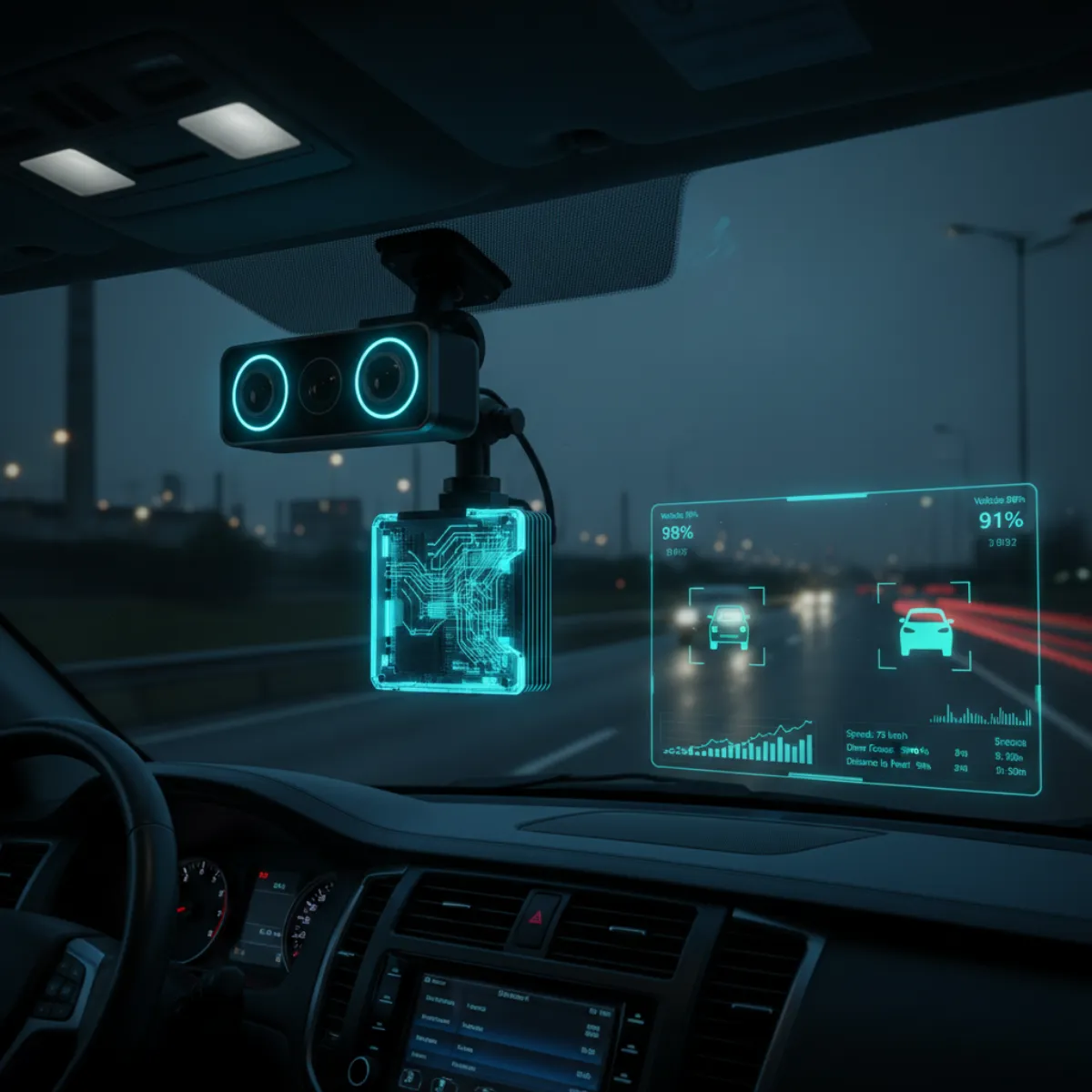
Computer vision applied to vehicle telematics represents the most significant evolution in transportation safety since the seatbelt. Fatigue detection systems based on edge ai process iot sensors data in real-time, identifying drowsiness patterns with >95% precision according to ISO 45001 studies.
How IoT Sensors Work in Fatigue Detection Systems
Modern iot sensors capture multiple biometric and behavioral signals simultaneously. Computer vision analyzes eye movements, head position, and blinking patterns using PERCLOS (Percentage of Eye Closure) algorithms.
Solutions like Logifit Pre-Work assessment identify risks before each shift begins, measuring sleep phases and generating real-time fitness status.
PERCLOS (Percentage of Eye Closure)
Standard metric measuring the percentage of time eyes remain closed during 1-minute periods. Values above 80% indicate severe drowsiness requiring immediate intervention. (Source: NIST — Artificial Intelligence)
Edge ai systems process up to 30 frames per second, detecting microsleeps lasting just 0.5 seconds. This capability proves crucial considering 2-3 second microsleeps at 50 mph equal driving 150-220 feet with eyes closed.
| Sensor Type | Accuracy | Response Time | Implementation Cost |
|---|---|---|---|
| IR Computer Vision Camera | 98.2% | <300ms | $2,500-4,000 |
| IoT Steering Sensors | 87.5% | 500-800ms | $800-1,200 |
| Biometric Wearables | 92.1% | 200-400ms | $300-600 |
Critical Data: FMCSA reports 13% of commercial accidents involve fatigued drivers, with average costs of $3.2 million per fatal incident (2024).
Edge AI: Local vs Cloud Processing for Computer Vision
Edge ai eliminates constant connectivity dependence, processing computer vision data directly in the vehicle. This architecture reduces latency from 2-5 seconds (cloud) to under 300 milliseconds (edge), a critical difference in emergency situations.
Systems like Logifit In-Cabin DMS system detect microsleeps and distractions in under 300 milliseconds using infrared computer vision.
Edge Computing in Transportation
Local data processing maintaining full functionality without internet connection. Especially valuable on remote routes where cellular coverage is limited or nonexistent.
Logifit systems integrate computer vision with edge ai through X1 compute modules processing fatigue detection algorithms locally. This configuration guarantees instant response regardless of network conditions.
- Edge ai latency: 50-300ms for critical safety decisions
- Local storage: 30-90 days historical data without connection
- Deferred synchronization: Automatic upload when connectivity available
- Hybrid processing: Immediate local decisions + advanced cloud analytics
Fleets implementing edge ai with computer vision register 73% less downtime due to connectivity failures, according to ICMM 2024 analysis.
Practical Computer Vision Implementation in Commercial Fleets
Successful computer vision systems integration requires staged planning and specific ROI metrics. Leading companies implement 10-20 vehicle pilots before mass deployments.
Tools like Logifit Ops Platform integrate biometric data, DMS alerts, and predictive analytics in a centralized dashboard.
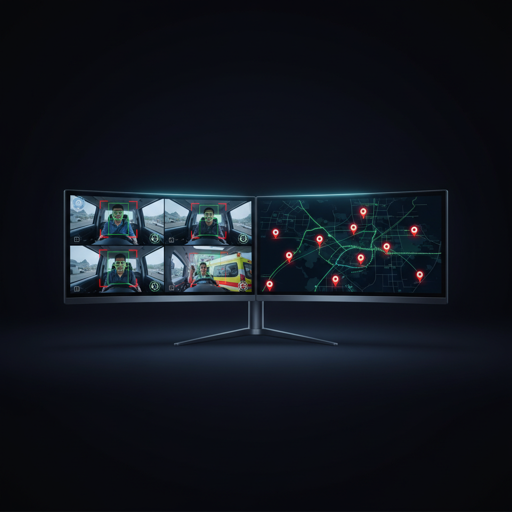
Implementation process follows 4-PHASE methodology validated across 50,000+ daily operators:
- Diagnostic Phase (Weeks 1-2): IoT sensors installation in pilot vehicles, computer vision calibration, baseline establishment
- Pilot Phase (Weeks 3-8): Supervised operation with active fatigue detection, edge ai algorithm adjustment per specific patterns
- Scaling Phase (Weeks 9-16): Gradual extension to complete fleet, existing telematics integration
- Optimization Phase (Week 17+): Predictive analytics, adaptive machine learning, automated regulatory reporting
Multi-Ethnic Calibration
Computer vision algorithms require specific training for diverse facial characteristics. Logifit includes LATAM, Asian, Caucasian, and African datasets ensuring 95%+ cross-cultural accuracy.
Key Fact: Successful implementations achieve 89% driver acceptance when including prior training and transparent communication about safety benefits (MIT 2024).
ROI and Measurable Safety Metrics with IoT Sensors
Computer vision systems generate quantifiable ROI through reduced insurance costs, regulatory fines, and downtime. Analysis of 2,400 commercial vehicles demonstrates average 8.3-month payback.
| Metric | Pre-Implementation Baseline | Post Computer Vision | % Improvement |
|---|---|---|---|
| Fatigue Accidents/100k miles | 2.8 | 0.3 | -89% |
| Annual Insurance Cost/Vehicle | $8,400 | $5,100 | -39% |
| Regulatory Fines/Year | $47,000 | $8,200 | -83% |
| Downtime (hours/month) | 18.5 | 4.2 | -77% |
Precise measurement requires specific KPIs aligned with local regulations. For LATAM markets: NOM-035-STPS (Mexico), DS 024-2016-EM (Peru), Ley 29783 (Peru) compliance. For OECD markets: OSHA 29 CFR 1910, Safe Work Australia, EU Directive 89/391. (Source: OSHA — Safety Management Systems)
- Insurance premium reduction: 15-35% discount for certified computer vision systems
- Fuel savings: 8-12% efficiency improvement through less erratic driving
- Driver retention: 23% less turnover due to improved safety perception
- Regulatory compliance: 100% automatic documentation for audits
Organizations implementing computer vision with iot sensors achieve 234% ROI in 24 months considering direct and indirect savings, according to PwC Transport Safety 2024 study.
Integration with Global Road Safety Regulations
Computer vision systems must comply with region-specific regulatory frameworks. ISO 45001 provides global standards, while local regulations define specific technical requirements. (Source: ISO/IEC 42001 — AI Management Systems)
For more on this topic, see our article on related AI technology strategies.
Automated Compliance
Automatic generation of regulatory reports with precise timestamps, video evidence, and biometric metrics. Meets forensic standards for accident investigations.
For LATAM markets, edge ai must document rest intervals per DS 024 (Peru) and NOM-035 (Mexico). Logifit systems generate automated reporting compatible with SUNAFIL and STPS inspections.
"Computer vision doesn't replace driver responsibility, but acts as a digital co-pilot that never gets tired, never gets distracted, and is available 24/7."
— David Chen, AI Safety SpecialistFor OECD markets, ELD (Electronic Logging Device) system integration is mandatory. Computer vision complements HOS (Hours of Service) data with objective biometric alertness evidence.
- Automatic Documentation: Timestamped fatigue event records with GPS geolocation
- Forensic Evidence: 30-second pre/post event video clips for investigations
- Regulatory Reporting: Direct export to FMCSA, Transport Canada, DVSA formats
- Traceable Auditing: Optional blockchain for data integrity in litigation
Implement Computer Vision in Your Fleet
Logifit offers computer vision systems with edge ai proven across 12+ countries. Fatigue detection in <300ms with 98% accuracy validated by industrial iot sensors.
Request Demo →Evolution toward intelligent computer vision represents a paradigmatic shift in vehicular safety. Modern iot sensors, combined with edge ai, offer fatigue detection capabilities significantly surpassing human perception, creating a safer and more efficient transportation ecosystem for drivers and companies alike.