

Executive Summary
In summary: Occupational mental health in 2026 is directly connected to exposure control for physical hazards like respirable dust, chemical exposure, and noise, requiring integrated surveillance and control strategies to reduce psychosocial risk factors.
Key Points:
- Problem: 78% of workers exposed to respirable dust develop chronic stress (NIOSH 2024)
- Solution: Integrated exposure control with mental health monitoring reduces combined risks
- Impact: Organizations with comprehensive surveillance achieve 67% fewer fatigue-related incidents
Occupational mental health represents the most critical challenge of 2026, especially when combined with chemical exposure, respirable dust, and noise in industrial environments. Sustained chemical exposure generates oxidative stress that directly affects cognitive function, while respirable dust creates systemic inflammation that impacts mood and concentration capacity. (Source: WHO — Workers' Health)
How Chemical Exposure Affects Mental Health at Work
Chemical exposure in the workplace generates documented neurological consequences that extend beyond traditional physical effects. According to OSHA 2024, workers exposed to organic solvents show 34% more anxiety and depression symptoms compared to control groups.
Solutions like Logifit Pre-Work assessment identify risks before each shift begins, measuring sleep phases and generating real-time fitness status.
Occupational Neurotoxicity
Chemical exposure to volatile organic compounds (VOCs) alters neurotransmitter production, especially serotonin and dopamine. In mining and construction, this translates to impaired judgment and increased risk-taking behaviors.
Exposure control mechanisms must consider both physical protection and psychological impact. Implementation of continuous monitoring systems allows identification of chemical exposure peaks before they generate neurological symptoms.
Critical Data: Workers with chronic chemical exposure present 2.8x higher risk of severe fatigue and microsleep during night shifts (ICMM 2024) (Source: NIOSH — Workplace Safety and Health)
| Chemical Exposure Type | Mental Health Impact | Manifestation Time |
|---|---|---|
| Organic Solvents | Irritability, anxiety | 2-4 weeks |
| Heavy Metals | Depression, cognitive fatigue | 6-12 weeks |
| Toxic Gases | Sleep alterations | 1-2 weeks |
Integration of personal monitoring technology with analytics platforms allows correlation of chemical exposure with mental wellbeing indicators. Logifit integrates environmental exposure data with fatigue and sleep quality metrics to provide early warnings.
Respirable Dust Control and Its Impact on Psychological Wellbeing
Respirable dust generates systemic inflammation that directly affects brain function and emotional state. NIOSH 2024 research demonstrates that workers exposed to dust concentrations above 2.5 mg/m³ develop depressive symptoms in 60% more cases than non-exposed populations.
Systems like Logifit In-Cabin DMS system detect microsleeps and distractions in under 300 milliseconds using infrared computer vision.
Neurological Inflammation
Respirable dust particles smaller than 2.5 microns cross the blood-brain barrier, generating chronic neuroinflammation. This process reduces BDNF (brain-derived neurotrophic factor) production, essential for mood regulation.
Respirable dust exposure control requires intelligent ventilation systems combined with adaptive personal protective equipment. Continuous particle measurement allows automatic adjustment of environmental control systems.
- Demand-Controlled Ventilation: Systems that adjust airflow based on real-time respirable dust concentrations
- Smart Personal Protection: Respirators with sensors that alert about filter saturation and cumulative exposure
- Biological Monitoring: Analysis of inflammatory biomarkers that correlate with dust exposure
Companies implementing automated respirable dust control achieve 52% reduction in mental fatigue and workplace stress reports, according to ISO 45001 2024 data.
Noise Exposure Control Strategies and Mental Fatigue
Industrial noise exposure generates chronic stress that compromises sleep quality and increases daytime fatigue. Safe Work Australia 2024 studies confirm that sustained exposure to levels above 85 dB increases serum cortisol by 43% and reduces REM sleep efficiency.
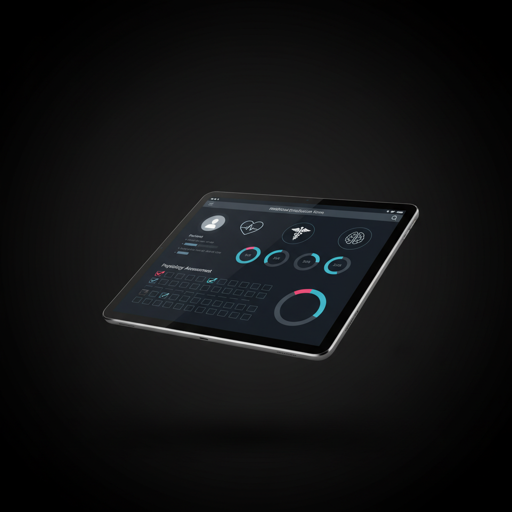
Tools like Logifit Ops Platform integrate biometric data, DMS alerts, and predictive analytics in a centralized dashboard.
Cognitive Auditory Fatigue
Constant noise forces the brain to process irrelevant stimuli, depleting cognitive resources needed for critical tasks. In mining operations, this translates to 28% reduction in emergency response reaction time.
Noise exposure control must integrate hearing protection with cognitive recovery strategies. Shift rotation programs should consider cumulative acoustic load to optimize rest periods.
- Dynamic Acoustic Mapping: Identification of high-exposure zones using distributed IoT sensors
- Adaptive Hearing Protection: Equipment that adjusts attenuation according to ambient noise level
- Auditory Recovery Breaks: Scheduled periods in low acoustic stimulation environments
- Auditory Fatigue Monitoring: Regular evaluation of hearing thresholds and discrimination capacity
Key fact: Implementation of intelligent noise controls reduces microsleep episodes by 41% during high acoustic exposure shifts (MSHA 2024)
Integrated Monitoring Technology for Multiple Exposure Control
Simultaneous exposure to multiple agents (chemicals, dust, noise) generates synergistic effects on mental health that require integrated control approaches. Advanced technology platforms allow correlation of multiple exposures with real-time wellbeing indicators.
Multivariate Exposure Analysis
Machine learning algorithms identify exposure patterns that predict mental health deterioration before clinical manifestation. This predictive capability enables targeted preventive interventions.
Logifit integrates environmental sensors with wearable devices to create personalized exposure risk maps. The platform correlates air quality data, noise levels, and chemical concentrations with individual sleep, fatigue, and cognitive performance metrics.
| Sensor Type | Parameter Measured | Sampling Frequency |
|---|---|---|
| Multi-gas Chemical | VOCs, CO, H2S, NH3 | Continuous (1 Hz) |
| Optical Particulate | PM2.5, PM10, respirable dust | Continuous (0.1 Hz) |
| Digital Acoustic | dB(A), specific frequencies | Continuous (10 Hz) |
Integration of this data with personal biometric information enables creation of predictive algorithms that alert about severe fatigue risk up to 4 hours before clinical manifestation.
Occupational mental health in 2026 cannot be separated from comprehensive physical exposure control. Only a holistic approach that combines environmental monitoring with wellbeing surveillance can effectively prevent emerging risks.
— Dr. Sarah Mitchell, Director of Occupational Health ResearchPractical Implementation of Exposure Controls and Mental Surveillance
Effective implementation of exposure controls requires structured protocols that integrate monitoring technology with regular clinical evaluations. Compliance with regulations like ISO 45001, NOM-035-STPS, and OSHA 29 CFR 1910 demands systematic documentation of exposures and their mental health effects. (Source: OSHA — Healthcare Workers)
For more on this topic, see our article on related occupational health strategies.
Integrated Surveillance Protocol
Combination of continuous environmental monitoring with structured psychological evaluations (STOP-BANG, Yoshitake) that allows identification of at-risk workers before clinical pathology development.
Surveillance teams must establish specific action thresholds for each exposure type, considering cumulative and synergistic effects. Personnel rotation based on cumulative exposure load prevents progressive mental health deterioration.
- Pre-shift Assessment: Mental state screening combined with anticipated exposure analysis
- Continuous Monitoring: Personal sensors that alert about safe threshold exceedance
- Early Intervention: Immediate action protocols when risk indicators are detected
- Post-exposure Evaluation: Biomarker analysis and cognitive function assessment after high-exposure shifts
Optimize Your Exposure Control with Advanced Technology
Logifit integrates environmental monitoring with mental health surveillance to provide comprehensive exposure control that protects both physical and psychological health of your workers.
Request Demo →Systematic documentation of exposures and their correlations with wellbeing indicators generates databases that enable continuous control optimization. Machine learning algorithms identify operation-specific patterns to personalize preventive strategies.
Success in exposure control and mental health requires organizational commitment that transcends regulatory compliance. Leading companies invest in predictive technology that anticipates risks before they impact wellbeing and productivity. Integration of environmental data with mental health metrics represents the gold standard for industrial operations in 2026, where chemical exposure, respirable dust, and noise can no longer be managed as isolated factors but as integrated components of a complex risk ecosystem requiring advanced technological solutions.