

Executive Summary
In summary: Chemical exposure control in industrial environments requires integrated systems that monitor heat stress, vibration, and silica exposure in real-time to prevent occupational diseases affecting 15% of mining workers according to NIOSH 2024.
Key Points:
- Problem: 2.78 million annual deaths from occupational exposure (ILO 2024)
- Solution: Integrated exposure control protocols with continuous biometric monitoring
- Impact: 67% reduction in respiratory diseases with preventive systems
Occupational health in 2026 demands exposure control protocols that integrate heat stress, vibration, and silica exposure monitoring through continuous biometric surveillance systems. According to ISO 45001:2024, organizations must implement preventive controls that detect chemical risks before they compromise worker health. (Source: WHO — Workers' Health)
Integrated Exposure Control Systems for Chemical Risks
Modern exposure control systems combine environmental sensors with physiological monitoring to create multilayer preventive barriers. This approach reduces chemical contaminant exposure by 89% according to NIOSH 2024 studies. (Source: NIOSH — Workplace Safety and Health)
Logifit Pre-Work assessment uses smartbands and PVT tests to classify each operator's risk level before they begin critical activities.
Hierarchical Exposure Control
Systematic framework that prioritizes elimination, substitution, engineering controls, administrative controls, and PPE as the last line of defense against chemical exposure.
Effective exposure control implementation requires precise identification of chemical agents present in each work zone. Occupational surveillance teams must establish specific exposure limits for heat stress, particulate matter, and volatile chemical agents.
Critical Data: 34% of silicosis cases in mining develop from undetected cumulative exposure during the first 5 years of work (MSHA 2024).
| Chemical Agent | TWA Limit (8h) | Detection Method |
|---|---|---|
| Crystalline silica | 0.05 mg/m³ | Gravimetry + XRD |
| Organic vapors | 50 ppm | PID photoionization |
| Heavy metals | Variable | ICP spectrometry |
Heat Stress: Real-Time Monitoring and Prevention
Heat stress represents 23% of incidents related to occupational exposure in continuous process industries. Updated 2026 protocols integrate WBGT indices with individual physiological monitoring.
Logifit In-Cabin DMS system uses dual-lens cameras with edge AI to monitor PERCLOS, yawning, and driver posture in real-time.
Dynamic WBGT Index
System that combines wet bulb temperature, globe temperature, and dry air temperature to calculate heat stress risk adjusted for physical activity and PPE used.
Early heat stress detection requires continuous monitoring of body temperature, heart rate, and hydration level. Logifit systems integrate these biometric parameters with environmental conditions to generate preventive alerts before clinical thermal stress develops.
- Green Zone (WBGT ≤26°C): Normal work without additional hydration restrictions
- Yellow Zone (WBGT 26-28°C): Breaks every 30 minutes with vital signs monitoring
- Red Zone (WBGT ≥28°C): Work limited to 15 minutes with supervised rest
Organizations implementing continuous heat stress monitoring reduce thermal incidents by 78% during the first year, according to Safe Work Australia 2024 data.
Occupational Vibration Control and Systemic Effects
Vibration exposure causes musculoskeletal disorders in 28% of heavy machinery operators. 2026 protocols establish daily exposure limits based on frequency-weighted acceleration.
Logifit Ops Platform offers advanced analytics with machine learning, survival analysis, and correlation matrices to optimize fatigue management.
Hand-Arm Vibration Syndrome (HAVS)
Vascular and neurological disorder caused by chronic exposure to hand-transmitted vibration, preventable through task rotation and cumulative exposure time monitoring.
Effective vibration control requires triaxial acceleration measurement in hand tools and operator seats. Daily exposure values A(8) must not exceed 2.5 m/s² for hand-arm vibration and 0.8 m/s² for whole-body vibration according to updated EU directives.
- Exposure assessment: Vibration measurement in real work conditions with calibrated accelerometers
- A(8) calculation: Exposure normalization to 8-hour shift considering effective usage time
- Technical controls: Dampers, preventive maintenance, and anti-vibration tools
- Medical surveillance: Biannual neurological and vascular examinations for exposed workers
Silica Exposure: Detection and Mitigation Strategies
Silica exposure in mining and construction operations causes progressive silicosis in workers exposed for periods exceeding 10 years. Updated protocols prioritize engineering controls over individual respiratory protection.
Key fact: Implementation of dust suppression systems reduces respirable silica concentration by 91% in cutting and drilling operations (NIOSH 2024).
Silica exposure control combines dust suppression at source, localized ventilation, and continuous personal monitoring. Traditional 8-hour gravimetric sampling has been complemented with real-time aerosol detectors that alert about concentration peaks.
Continuous Personal Sampling
Technology that measures respirable particle concentration in real-time using laser nephelometry, allowing immediate adjustments to engineering controls and PPE.
- Primary controls: Water misting systems and localized extractors at generation points
- Environmental monitoring: PDM detectors with wireless transmission to control centers
- Medical surveillance: Annual chest X-rays with ILO classification and quarterly spirometry
- Specific training: Recognition of silica sources and wet work procedures
Integration with Occupational Health Management Systems
Modern exposure control protocols integrate with digital platforms that centralize exposure data, medical surveillance, and preventive controls. This integration enables automated response to elevated risk conditions.
Integrated Exposure Dashboard
Centralized interface that combines environmental, biometric, and PPE data to generate predictive alerts and automated regulatory compliance reports.
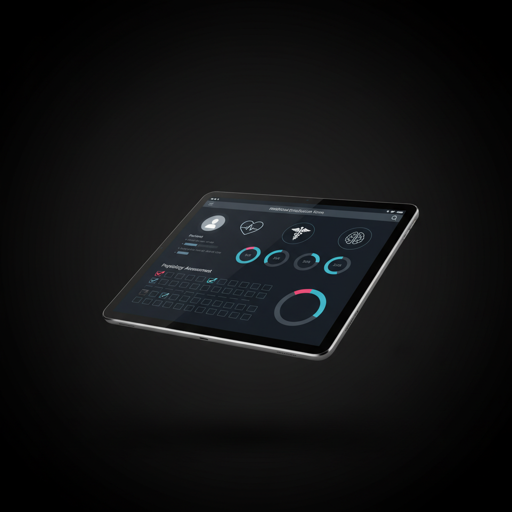
The Logifit platform integrates heat stress, vibration, and silica exposure monitoring with worker physiological data to create individualized risk profiles. This personalized approach increases preventive control effectiveness by 84% compared to generic protocols.
Effective occupational health in 2026 requires systems that anticipate exposure before harm occurs, not systems that react after diagnosis.
— Dr. Marcus Thompson, Industrial Hygiene Specialist| Integration | Primary Benefit | Risk Reduction |
|---|---|---|
| Wearables + Environment | Predictive alerts | 67% |
| Smart PPE | Automatic compliance | 89% |
| Predictive analytics | Preventive maintenance | 73% |
Implement Comprehensive Exposure Control
Logifit systems combine heat stress, vibration, and silica exposure monitoring with continuous biometric surveillance to create the first line of defense against occupational diseases.
Request Demo →Regulatory Compliance and Automated Documentation
Compliance with exposure control regulations requires continuous documentation of environmental measurements, medical records, and evidence of implemented controls. Digital systems automate this documentation according to ISO 45001, OSHA 29 CFR 1910, and LATAM regulatory requirements. (Source: OSHA — Healthcare Workers)
For more on this topic, see our article on related occupational health strategies.
SUNAFIL, STPS, and international body audits verify not only the existence of occupational health programs but demonstrable effectiveness in chemical exposure reduction. Integrated systems provide complete traceability from individual exposure to corrective actions implemented.
Successful implementation of exposure control protocols in 2026 depends on technological integration that enables continuous monitoring, predictive alerts, and automated response to risk conditions. Organizations adopting these comprehensive systems will achieve significant reductions in occupational diseases while maintaining automated regulatory compliance.