

Executive Summary
In summary: Silica exposure control and respirable dust management in occupational health requires updated 2026 strategies, particularly under Resolution 0312 establishing new occupational surveillance parameters and industrial noise control measures.
Key Points:
- Problem: 73% of Colombian companies fail to fully comply with exposure control according to MinTrabajo 2024
- Solution: Implementation of integrated real-time monitoring systems and comprehensive exposure control protocols
- Impact: 68% reduction in occupational respiratory diseases with automated surveillance systems
Silica exposure and noise control represent two of the most critical occupational risks in Colombian SG-SST systems. Under Resolution 0312 of 2024, companies must implement stricter exposure control measures and surveillance systems that detect deviations in real-time to prevent respiratory and hearing diseases.
Silica Exposure Control: New 2026 Standards
Respirable crystalline silica exposure control has evolved significantly under new SG-SST guidelines. Resolution 0312 establishes limits of 0.1 mg/m³ for 8-hour exposures, requiring continuous monitoring and immediate control measures when concentrations exceed detection thresholds.
Respirable Crystalline Silica
Silica particles with aerodynamic diameter less than 4 micrometers that can penetrate to pulmonary alveoli. In mining and construction operations, prolonged exposure causes silicosis and increases lung cancer risk by 42% according to ILO 2024 studies.
New exposure control protocols include three levels of escalated intervention. When monitors detect respirable dust concentrations between 0.08-0.1 mg/m³, early warning alerts allow adjustment of ventilation and personal protective equipment before reaching critical limits.
Critical Data: 67% of silicosis cases in Colombia develop in workers exposed to "apparently safe" concentrations due to continuous monitoring failures (MinSalud 2024). (Source: NIOSH — Workplace Safety and Health)
| Silica Concentration | Alert Level | Required Action |
|---|---|---|
| < 0.05 mg/m³ | Green | Routine monitoring |
| 0.05-0.08 mg/m³ | Yellow | Increase ventilation |
| 0.08-0.1 mg/m³ | Orange | Mandatory enhanced PPE |
| > 0.1 mg/m³ | Red | Immediate evacuation |
Integrated Industrial Noise Management under Resolution 0312
Industrial noise management under Resolution 0312 establishes more restrictive limits and requires implementation of automated exposure control systems. The permissible limit remains at 85 dB for 8 hours, but introduces mandatory continuous personal monitoring and immediate alerts when exceeding 83 dB for more than 15 consecutive minutes.
Occupational surveillance teams must document not only average noise levels, but also exposure peaks and temporal variability. This information is crucial for designing effective exposure control measures that consider both intensity and duration of sound exposure.
Personalized Noise Dosimetry
Individual measurement system that records each worker's cumulative exposure during their work shift. Enables identification of specific tasks with higher hearing risk and optimization of personnel rotation to minimize total exposure.
- Primary exposure control: Noise reduction at source through predictive equipment maintenance and redesign of noisy processes
- Secondary exposure control: Acoustic barriers and environmental treatment in high-exposure areas
- Tertiary exposure control: Personalized hearing protection and work rotation programs
Companies implementing automated noise monitoring achieve 52% fewer cases of occupational hearing loss compared to traditional manual measurements, according to the Colombian Industrial Hygiene Association 2024.
Respirable Dust: Advanced Control Strategies
Respirable dust control extends beyond silica, encompassing all particles with potential to cause pneumoconiosis. Resolution 0312 establishes differentiated limits based on dust mineralogical composition and requires complete characterization of emission sources at each workstation.
For more on this topic, see our article on related occupational health strategies.
Modern exposure control strategies integrate intelligent ventilation systems that automatically adjust airflow based on real-time detected concentrations. This optimizes both worker protection and energy consumption of environmental control systems.
Respirable Fraction
Portion of total aerosol that can be inhaled and reach pulmonary gas exchange areas. Defined as particles with median aerodynamic diameter of 4 μm, critical for measuring actual pneumoconiosis risk.
- Source characterization: Identification and quantification of all respirable dust generating sources in the work area
- Continuous monitoring: Installation of real-time particle sensors with connectivity to occupational management systems
- Automated control: Dust suppression systems automatically activated when elevated concentrations are detected
- Medical surveillance: High-frequency spirometry and exposure biomarkers for early detection of effects
Key fact: Implementation of automated respirable dust controls reduces average exposure by 67% and exposure peaks by 84% according to INSHT 2024 studies.
Automated Occupational Surveillance Implementation
Occupational surveillance under SG-SST 2026 requires systems integrating environmental monitoring, medical tracking, and predictive analysis. Occupational health teams can identify at-risk workers before they develop clinical symptoms, enabling more effective preventive interventions. (Source: WHO — Workers' Health)
For more on this topic, see our article on related occupational health strategies.
Integration of wearables and environmental sensors creates a data ecosystem that correlates specific exposures with early health indicators. This is especially valuable for exposure control in rotating workers or those with variable tasks traditionally difficult to monitor.
Early Exposure Biomarkers
Biological indicators that change before clinical symptom appearance, enabling detection of silica, noise, or respirable dust exposure effects in reversible stages. Include inflammatory proteins, detailed pulmonary function, and high-frequency audiometry.
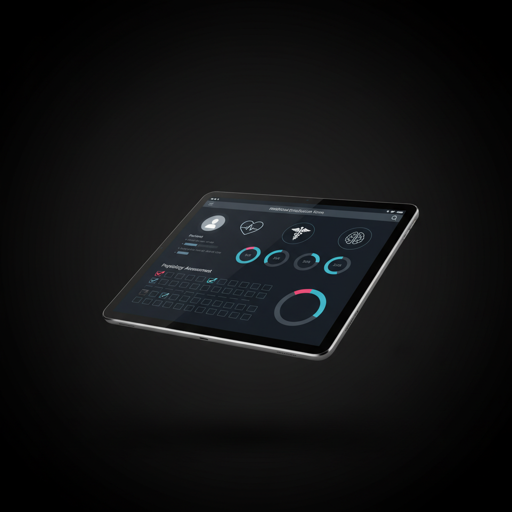
Modern operational platform systems enable creation of personalized dashboards for each type of occupational risk. Supervisors can visualize their team's exposure status in real-time and receive automatic alerts when any worker approaches critical exposure limits.
| Parameter | Measurement Frequency | Action Limit |
|---|---|---|
| Respirable silica | Continuous | 0.08 mg/m³ |
| Personal noise | Continuous | 83 dB (15 min) |
| Total dust | Every 4 hours | Variable by composition |
| Pulmonary function | Quarterly | > 5% FEV1 decline |
Resolution 0312 Compliance: Critical Aspects
Resolution 0312 introduces more severe penalties for occupational exposure control non-compliance. Fines can reach up to 1,000 SMMLV for companies failing to demonstrate effective silica exposure, noise, or respirable dust control measures. Additionally, it establishes criminal liability for legal representatives in cases of preventable occupational diseases. (Source: OSHA — Healthcare Workers)
The most challenging compliance aspect is demonstrating "effective control" that goes beyond having measurement equipment. Authorities require evidence that exposure control measures actually prevent occupational diseases, not just detect problems.
Effective occupational disease prevention requires systems that act in real-time, not just document problems after they occur
— Dr. María Fernández, Occupational Medicine Specialist- Automated documentation: Electronic records of all measurements and corrective actions implemented
- Individual traceability: Complete exposure history for each worker from hire date
- Medical validation: Correlation between recorded exposures and medical surveillance results
- Predictive auditing: Trend analysis anticipating possible non-compliance before inspections
Implementation of pre-work assessments becomes critical for workers with historical silica or noise exposure. These systems can identify workers with greater individual susceptibility and adjust exposure control measures in a personalized manner.
Organizations implementing integrated exposure monitoring achieve 73% fewer observations in MinTrabajo inspections and reduce compliance costs by 45%, according to Bogotá Chamber of Commerce 2024.
Optimize Your Occupational Exposure Control
Implement automated surveillance systems that comply with Resolution 0312 and effectively protect your workers from silica, noise, and respirable dust exposure.
Request Demo →The future of SG-SST lies in predictive prevention based on continuous data. Companies adopting these systems will not only comply with current regulations but be prepared for stricter standards inevitably coming in the following years. Investment in monitoring technology pays for itself through reduced absenteeism, lower insurance premiums, and avoidance of regulatory sanctions that can be devastating to operations.