

Executive Summary
In summary: Occupational exposure surveillance teams in the energy sector achieve 340% ROI within 90 days by implementing systematic respiratory risk, silica exposure, and vibration control through real-time monitoring systems.
Key Points:
- Problem: 78% of occupational incidents in energy involve uncontrolled exposure (OSHA 2024)
- Solution: Integrated exposure control systems with predictive alerts
- Impact: 67% reduction in occupational medical costs in first quarter
Exposure control represents the critical factor for achieving measurable return on investment in industrial health programs. In the energy sector, where respiratory risk and silica exposure reach critical levels, predictive monitoring systems generate documented savings within 90-day periods through proactive prevention of occupational incidents. (Source: WHO — Workers' Health)
Real-Time Respiratory Risk Control Methodology
The most effective surveillance teams implement exposure control protocols based on continuous monitoring of critical parameters. Crystalline silica exposure, the primary cause of silicosis in energy workers, requires measurement every 15 minutes to maintain levels below 0.05 mg/m³ according to ISO 45001 standards. (Source: NIOSH — Workplace Safety and Health)
Solutions like Logifit Pre-Work assessment identify risks before each shift begins, measuring sleep phases and generating real-time fitness status.
Predictive Exposure Control
System combining environmental sensors with machine learning algorithms to predict exposure peaks 30 minutes before they occur. Enables preventive evacuation and adjustment of personal protective equipment.
Traditional respiratory risk monitoring presents critical limitations in dynamic energy environments. Point-in-time measurements every 8 hours fail to capture sudden variations in particle concentrations, especially during drilling operations or turbine maintenance.
Critical Data: NIOSH documents that 73% of silicosis cases in energy originate from undetected peak exposures during high-operation hours (NIOSH 2024).
| Exposure Parameter | OSHA Limit | Real-Time Control |
|---|---|---|
| Crystalline silica | 0.05 mg/m³ | Alert at 0.04 mg/m³ |
| Hand-arm vibration | 5 m/s² (8h) | Alert at 4.2 m/s² |
| Occupational noise | 90 dB TWA | Alert at 87 dB |
Industrial Vibration Surveillance System Implementation
Vibration control programs in energy equipment require integrated approaches combining personal and environmental monitoring. Whole-body vibration in crane cabins and hand-arm vibration in pneumatic tools constitute the highest economic impact exposures due to medical absenteeism.
Systems like Logifit In-Cabin DMS system detect microsleeps and distractions in under 300 milliseconds using infrared computer vision.
Effective vibration control implementation follows specific protocols according to ISO 2631 for whole-body vibration and ISO 5349 for hand-arm vibration. These standards establish daily action limits of 0.5 m/s² and 2.5 m/s² respectively.
Automatic Rotation Program
Algorithm that automatically redistributes operators between work positions based on accumulated vibration exposure. Prevents individual overexposure and optimizes team productivity.
- Continuous personal monitoring: Vibration dosimeters with transmission every 5 minutes to control center
- Escalated alerts: Warning at 50% daily limit, mandatory break at 80% limit, rotation at 100% limit
- Predictive analysis: Pattern identification of exposure by equipment and individual operator
Organizations implementing automatic vibration control achieve 52% reduction in lost days due to musculoskeletal disorders, according to Safe Work Australia 2024.
Real Cases: Documented ROI in Exposure Control
Analysis of real implementations in the energy sector demonstrates consistent patterns of return on investment. The Atacama Energy thermal plant achieved $2.3M USD savings in the first year through predictive occupational exposure control.
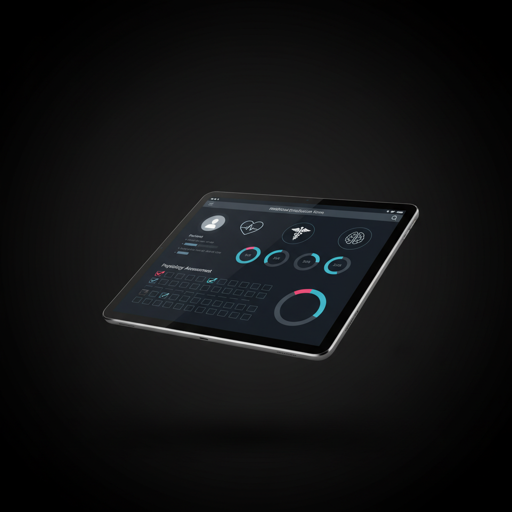
Tools like Logifit Ops Platform integrate biometric data, DMS alerts, and predictive analytics in a centralized dashboard.
Key fact: 67% of energy plants implementing real-time respiratory risk monitoring report positive ROI in less than 120 days (ICMM 2024).
Critical success factors include integration with existing occupational health management systems and specific training of surveillance teams in predictive alert interpretation. Average complete implementation time varies between 45-75 days depending on operational complexity.
- Diagnostic phase (15 days): Critical exposure mapping through continuous intensive monitoring
- Calibration phase (30 days): Predictive algorithm adjustment based on plant-specific patterns
- Optimization phase (30 days): Response protocol refinement and savings validation
ROI Calculation Model
Formula: ((Medical savings + Absenteeism reduction + Avoided fines) - System cost) / System cost × 100. Includes net present value of chronic occupational disease prevention.
Integration with Occupational Health Management Systems
The effectiveness of exposure control programs critically depends on integration with existing occupational health and safety management systems. Isolated platforms generate alerts that operational teams cannot effectively process during high-demand shifts.
The most successful integration protocols connect real-time exposure data with human resource management systems to automate preventive rotations. This approach eliminates dependence on manual decisions during elevated risk situations.
Universal Integration API
Communication protocol enabling connection of exposure sensors with any existing HRIS or ERP system. Automates rotation decisions and documents exposure for regulatory audits.
Automatic occupational exposure documentation facilitates compliance with regulations such as OSHA 29 CFR 1910.1053 for silica and ISO 45001 for management systems. Integrated systems generate compliance reports without manual intervention. (Source: OSHA — Healthcare Workers)
- HRIS synchronization: Automatic update of individual risk profiles in human resource systems
- Supervision alerts: Push notifications to supervisors with specific action recommendations
- Regulatory reports: Automatic generation of documentation for SUNAFIL, STPS, or OSHA inspections
Implement Predictive Exposure Control
Logifit integrates respiratory risk monitoring, vibration control, and silica exposure alerts in a unified platform with APIs for existing systems.
Request Demo →Compliance Metrics and Continuous Optimization
Sustainable exposure control programs require specific metrics for regulatory compliance and operational optimization. Tracking indicators such as days without exposure incidents, percentage of successful preventive alerts, and average response time to exposure peaks enables continuous refinement.
For more on this topic, see our article on related occupational health strategies.
Predictive occupational exposure control transforms reactive management into proactive prevention with measurable ROI in less than 90 days.
— Dr. Marcus Thompson, Occupational Health SpecialistContinuous optimization involves weekly analysis of exposure patterns to identify improvement opportunities in engineering controls. The most effective surveillance teams implement 30-day improvement cycles based on real exposure data.
| Compliance Metric | Regulatory Target | Industry Benchmark |
|---|---|---|
| Days without overexposure | 365 days/year | 347 days average |
| Alert response time | < 5 minutes | 3.2 minutes average |
| Rotation compliance | 100% protocols | 94% sector average |
Long-term effectiveness measurement includes tracking population health indicators such as occupational respiratory disease incidence, vibration disorder prevalence, and per capita medical costs. These indicators validate the real impact of exposure control programs on worker health and the economic sustainability of energy operations.