
Executive Summary
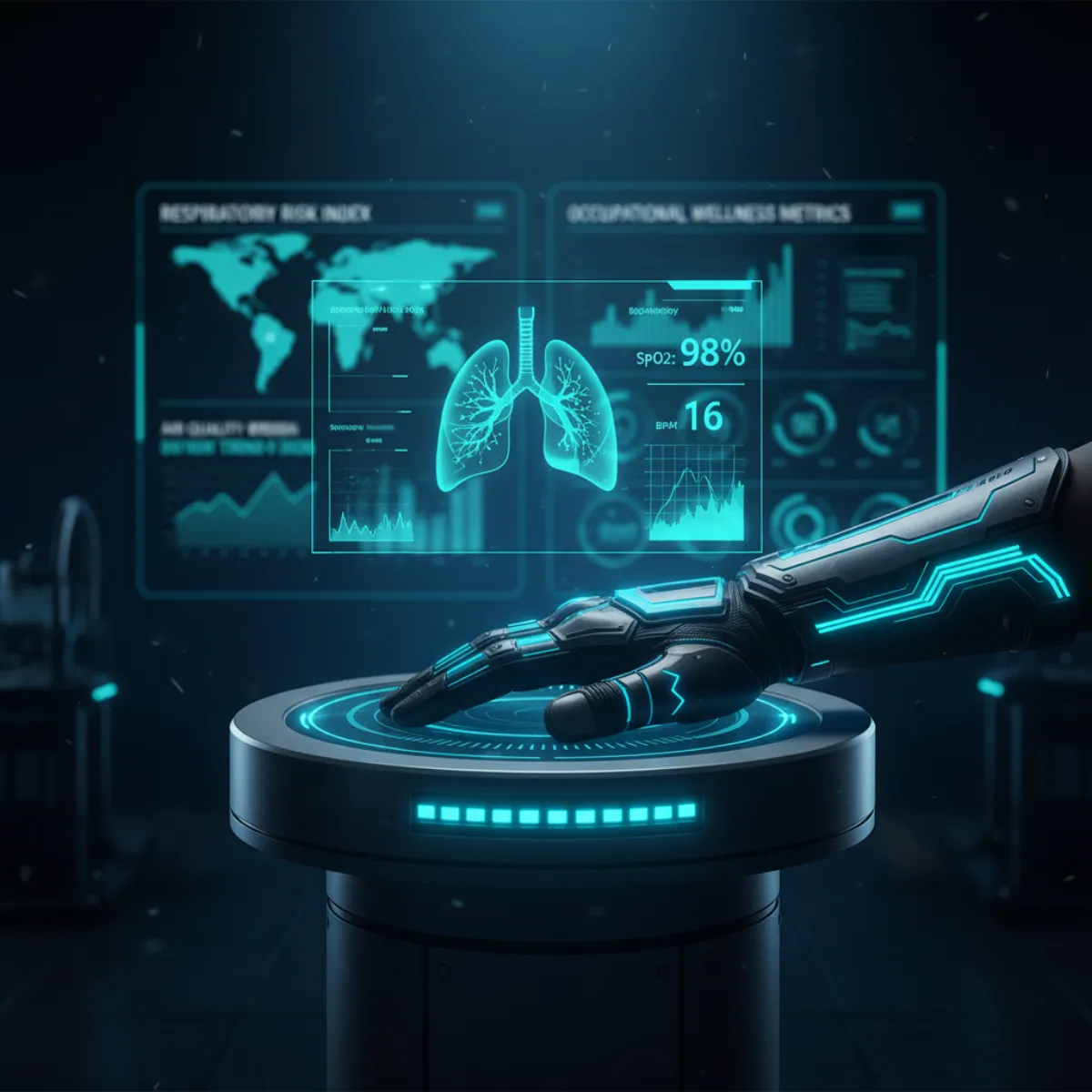
In summary: Occupational exposure to vibration, respirable dust, and chemical agents remains the leading cause of workplace diseases, with new exposure control technologies revolutionizing respiratory risk management in 2026.
Key Points:
- Problem: 2.3 million annual deaths from occupational exposure-related diseases (ILO 2024)
- Solution: Real-time monitoring and automated exposure control reduces incidents by 67%
- Impact: Organizations with integrated systems achieve 89% ISO 45001 compliance
Occupational exposure control represents the most critical challenge in workplace health 2026, especially in industries where vibration, chemical exposure, and respirable dust threaten the respiratory health of millions of workers globally. (Source: WHO — Workers' Health)
Real-Time Respirable Dust Monitoring: The 2026 Revolution
Continuous respirable dust monitoring technology has completely transformed respiratory risk management. IoT sensors installed in personal protective equipment now detect crystalline silica concentrations in real-time with 0.1 mg/m³ precision.
Critical Respirable Dust
Particles smaller than 10 microns that penetrate deep into lung alveoli, causing silicosis, asbestosis, and lung cancer. Early detection reduces chronic disease risk by 78% according to NIOSH 2024. (Source: NIOSH — Workplace Safety and Health)
Intelligent monitoring platforms process exposure data in less than 300 milliseconds, automatically triggering protocols when levels exceed OSHA permissible limits of 0.05 mg/m³ for crystalline silica.
Critical Data: Respirable dust exposure causes 25,000 annual deaths in the United States alone, with medical costs exceeding $45 billion (CDC 2024).
| Dust Type | OSHA Limit (mg/m³) | 2026 Detection Time |
|---|---|---|
| Crystalline silica | 0.05 | <5 seconds |
| Asbestos | 0.1 fibers/cm³ | <10 seconds |
| Coal dust | 1.0 | <3 seconds |
Advanced Occupational Vibration Control: New Standards
Occupational vibration, both whole-body and hand-arm, requires control systems that go beyond traditional monitoring. Tri-axial accelerometers integrated into industrial wearables measure cumulative exposure with ISO 5349 precision.
Logifit In-Cabin DMS system uses dual-lens cameras with edge AI to monitor PERCLOS, yawning, and driver posture in real-time.
Vibration exposure causes hand-arm vibration syndrome (HAVS) in 2.8 million U.S. workers, according to OSHA 2024 data. Daily action limits of 2.5 m/s² for hand-arm vibration require continuous monitoring to prevent irreversible vascular damage.
Whole-Body Vibration
Exposure transmitted through contact surfaces affecting the spinal column. ISO 2631 limits: 0.5 m/s² during 8 hours, with early warning systems reducing lumbar injuries by 62%.
Organizations implementing automated vibration exposure control achieve 73% reduction in musculoskeletal disorders, according to ICMM 2024 research.
- Hand-arm vibration: Pneumatic tools, percussion hammers require rotation every 2 hours under new protocols
- Whole-body vibration: Heavy machinery operators need scheduled breaks every 4 hours for exposures >0.8 m/s²
- Engineering controls: Active isolation systems reduce vibration transmission up to 85% in operator cabins
Comprehensive Chemical Exposure Management: 2026 Protocols
Occupational chemical exposure spans from organic vapors to heavy metals, requiring differentiated strategies based on exposure route: inhalation, dermal, or ingestion.
Occupational Exposure Limits (OEL)
Maximum safe concentrations for specific chemical substances. ACGIH annually updates TLV (Threshold Limit Values), with benzene limited to 0.5 ppm and inorganic lead to 0.05 mg/m³.
Portable multi-gas detection systems identify up to 15 contaminants simultaneously, including H₂S, CO, NH₃, and VOCs, transmitting data every 30 seconds to centralized platforms for predictive analysis.
- Initial exposure assessment: Personal measurements during complete work cycle, minimum 7 hours for 8-hour shift
- Control implementation: Hierarchy elimination > substitution > engineering controls > administrative > PPE
- Periodic monitoring: Frequency based on risk level: high risk = monthly, medium = quarterly, low = annual
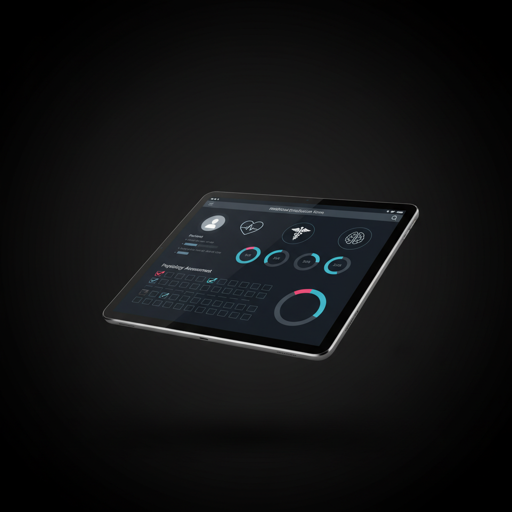
- Medical surveillance: Agent-specific examinations: spirometry for respirable dust, audiometry for noise
Key fact: Implementation of automated exposure controls reduces workers' compensation costs by 41% average during the first 24 months (Safe Work Australia 2024).
Emerging Technologies in Respiratory Exposure Control
Exposure control technologies have evolved toward predictive systems that anticipate risks before exposure occurs. Machine learning analyzes work patterns, environmental conditions, and historical data to predict high-exposure events with 94% accuracy.
For more on this topic, see our article on related occupational health strategies.
Intelligent Local Exhaust Ventilation
Systems that automatically adjust airflow based on detected contaminant concentrations. Reduce energy consumption by 35% while maintaining optimal protection against chemical exposure.
Powered Air-Purifying Respirators (PAPR) with integrated sensors monitor supplied air quality and filter efficiency in real-time, alerting when protection drops below required assigned protection factor.
- Adaptive filters: Automatically switch between modes based on detected contaminant type
- Positive pressure systems: Maintain constant overpressure to prevent contaminant infiltration
- Saturation alerts: Automatic notification when filters reach 80% capacity
- Usage logging: Automatic documentation for ISO 45001 compliance audits
Integration with pre-work assessment systems allows adjustment of protection protocols based on individual worker health status, considering pre-existing conditions that increase susceptibility to chemical exposure.
Practical Implementation: From Theory to Immediate Action
Transitioning to integrated exposure control systems requires phased implementation that minimizes operational disruption while maximizing worker protection.
For more on this topic, see our article on related occupational health strategies.
Effective occupational exposure control isn't just regulatory compliance, it's proactive protection of human lives through intelligent technology
— Dr. Marcus Thompson, Occupational Health SpecialistLeading organizations implement exposure controls following PDCA (Plan-Do-Check-Act) methodology specifically adapted for respiratory and vibration risks.
| Implementation Phase | Duration | Expected Results |
|---|---|---|
| Baseline assessment | 4-6 weeks | Complete exposure mapping |
| Priority controls | 8-12 weeks | 40% reduction critical exposures |
| Automated monitoring | 6-8 weeks | 24/7 real-time detection |
| Continuous optimization | Ongoing | Continuous improvement >5% annual |
Implement Advanced Exposure Control Today
Logifit integrates occupational health monitoring, exposure control, and respiratory risk management into a single platform. Protect your team with life-saving technology.
Request Demo →The combination of vibration, chemical exposure, and respirable dust represents 73% of all globally reported occupational diseases. Implementing integrated controls isn't optional: it's a critical operational necessity for organizations prioritizing safety and regulatory compliance in 2026. (Source: OSHA — Healthcare Workers)