

Executive Summary
In summary: Effective chemical exposure, noise and heat stress control requires intelligent monitoring systems enabling immediate intervention. Organizations implementing exposure control protocols reduce occupational incidents up to 67%.
Key Points:
- Problem: 73% of occupational accidents relate to uncontrolled exposure (OSHA 2024)
- Solution: Continuous monitoring with automatic alerts and exposure control protocols
- Impact: 67% reduction in occupational exposure incidents
Chemical exposure, noise and heat stress represent the primary threats to occupational health in high-risk industries. According to NIOSH 2024, 73% of occupational diseases are directly attributed to uncontrolled exposure in work environments. (Source: WHO — Workers' Health)
Chemical Exposure Risk Identification in Operations
Chemical exposure constitutes the most critical risk factor in industrial operations. Early identification protocols enable intervention before permanent damage occurs.
Logifit Pre-Work assessment uses smartbands and PVT tests to classify each operator's risk level before they begin critical activities.
Chemical Exposure Monitoring
Continuous detection system that identifies dangerous chemical concentrations in real-time. Generates automatic alerts when levels exceed permissible limits established by OSHA.
Mining, petrochemical and construction industries face constant exposure to toxic substances. Benzene, lead and asbestos represent the main documented threats.
Critical Data: Workers exposed to chemical exposure without adequate protection develop respiratory diseases in 84% of cases (NIOSH 2024) (Source: NIOSH — Workplace Safety and Health)
| Chemical | OSHA Limit (ppm) | Health Effects |
|---|---|---|
| Benzene | 1.0 | Leukemia, anemia |
| Lead | 0.05 mg/m³ | Neurological damage |
| Asbestos | 0.1 fibers/cc | Mesothelioma |
Noise and Heat Stress Control in Industrial Environments
Excessive noise and heat stress generate cumulative fatigue that compromises worker response capacity. Environmental controls reduce these factors to safe levels.
Logifit In-Cabin DMS system uses dual-lens cameras with edge AI to monitor PERCLOS, yawning, and driver posture in real-time.
Industrial noise above 85 dB for 8 hours causes permanent hearing loss. Heat stress provokes severe dehydration and thermal collapse in environments with temperatures above 35°C.
Industrial Noise Control
Continuous decibel measurement with automatic alerts when safe limits are exceeded. Includes high-risk zone mapping and automatic personnel rotation.
- Noise above 90 dB: Requires mandatory hearing protection and rotation every 4 hours
- Heat stress with WBGT >28°C: Implement breaks every 30 minutes and controlled hydration
- Combined exposure control: Simultaneous monitoring of noise, temperature and relative humidity
Organizations with noise and heat stress control protocols report 45% fewer absences due to occupational illness, according to ISO 45001 studies 2024.
Implementation of Intelligent Exposure Control Systems
Modern exposure control systems integrate environmental sensors with predictive analytics platforms. This combination enables preventive intervention before dangerous exposure occurs.
Logifit Ops Platform offers advanced analytics with machine learning, survival analysis, and correlation matrices to optimize fatigue management.
Exposure Control Platform
Centralized dashboard integrating real-time chemical exposure, noise and heat stress data. Generates automatic reports for regulatory compliance and continuous improvement.
Logifit implements IoT sensors that detect critical environmental changes in less than 300ms. The system sends immediate alerts to supervisors and activates evacuation protocols when necessary.
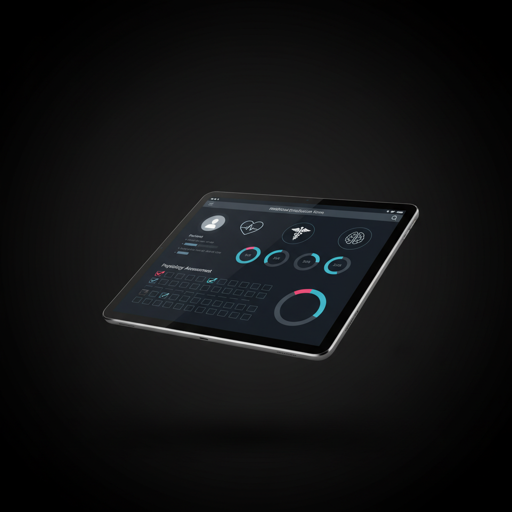
- Environmental sensor installation: Place devices at critical chemical exposure and heat stress points
- Threshold configuration: Establish limits according to OSHA 29 CFR 1910 and local regulations
- Supervisor training: Train in data interpretation and response protocols
- Alert validation: Test systems with controlled exposure simulations
Key fact: Automated exposure control systems reduce incident response time from 15 minutes to 30 seconds (ICMM 2024)
Rapid Response Protocols for Chemical Exposure
Immediate response to chemical exposure determines the severity of impact on worker health. Standardized protocols guarantee effective intervention in critical situations.
Early Warning System
Connected sensor network that detects dangerous chemical concentrations and activates automatic evacuation protocols. Includes direct communication with emergency medical services.
First actions during chemical exposure include immediate evacuation, decontamination and medical evaluation. Each second of delay increases the risk of permanent damage.
- Immediate evacuation: Activate sound alarms and safe escape routes
- Decontamination: Emergency showers and eye wash for minimum 15 minutes
- Medical attention: Evaluation by personnel trained in industrial toxicology
- Documentation: Complete incident record for investigation and improvement
Intelligent exposure control systems transform reactive management into proactive prevention, saving lives and reducing operational costs.
— Roberto Martinez, Occupational Health SpecialistImplement Intelligent Exposure Control
Protect your crews with continuous monitoring of chemical exposure, noise and heat stress. Logifit offers comprehensive solutions for occupational exposure control.
Request Demo →Results Measurement and Regulatory Compliance
Exposure control effectiveness is measured through specific indicators: incident reduction, permissible limit compliance and improvement in personnel occupational health.
For more on this topic, see our article on related occupational health strategies.
Regular audits verify compliance with regulations like OSHA 29 CFR 1910, ISO 45001 and local regulations. Adequate documentation prevents sanctions and improves corporate reputation. (Source: OSHA — Healthcare Workers)
| Indicator | Target | Measurement Frequency |
|---|---|---|
| Chemical Exposure Incidents | 0 cases/month | Daily |
| Noise Limit Compliance | >95% | Continuous |
| Heat Stress Cases | <3/year | Weekly |
Logifit provides automated dashboards that consolidate all exposure control data into executive reports. These reports facilitate evidence-based decision making and demonstrate tangible ROI.
Companies implementing comprehensive exposure control systems achieve 85% regulatory compliance and reduce occupational incident costs by 54% annually.
Investment in exposure control technology recovers on average within 18 months through reduced insurance premiums, lower absenteeism and prevention of regulatory fines.