

Executive Summary
In summary: Effective respirable dust and exposure control of occupational contaminants reduces workplace accidents by up to 42%, according to NIOSH 2024 data. Surveillance teams implementing integrated strategies for heat stress, noise and respirable dust control achieve superior safety outcomes.
Key Points:
- Problem: 73% of operators exposed to respirable dust show cognitive impairment that increases accident risk (ICMM 2024)
- Solution: Integrated exposure control systems with real-time monitoring of heat stress and noise
- Impact: 42% reduction in incidents related to environmental exposure fatigue
Exposure control of occupational contaminants including respirable dust, heat stress and noise constitutes a critical factor in workplace accident prevention. Simultaneous exposure to these agents deteriorates operator cognitive capabilities, exponentially increasing the risk of fatal incidents in mining and construction operations. (Source: WHO — Workers' Health)
Respirable Dust Impact on Cognitive Performance
Respirable dust exposure generates measurable neurological deterioration that compromises operator reaction capacity. NIOSH 2024 studies demonstrate that concentrations above 0.1 mg/m³ of crystalline silica reduce response time by 23%. (Source: NIOSH — Workplace Safety and Health)
Cognitive Deterioration Mechanism
Respirable dust crosses the blood-brain barrier causing neuroinflammation that affects attention centers and motor control. This process is irreversible but preventable through effective exposure control.
Surveillance teams must consider that cognitive deterioration from respirable dust is exponentially potentiated when combined with heat stress and noise exposure above 85 dB.
Critical Data: Operators simultaneously exposed to respirable dust >0.05 mg/m³ and heat stress >28°C WBGT show 3.7 times higher accident probability (MSHA 2024)
| Dust Concentration (mg/m³) | Cognitive Decline (%) | Risk Increase |
|---|---|---|
| 0.025 | 8% | 1.2x |
| 0.050 | 18% | 2.1x |
| 0.100 | 34% | 3.7x |
Integrated Real-Time Exposure Control Systems
Effective control requires simultaneous monitoring of multiple agents. Traditional systems fail because they evaluate heat stress, noise and respirable dust independently, ignoring synergistic effects.
Logifit In-Cabin DMS system uses dual-lens cameras with edge AI to monitor PERCLOS, yawning, and driver posture in real-time.
Multi-Agent Monitoring
Platforms like Logifit Ops Platform integrate respirable dust sensors, WBGT thermometers and noise dosimeters to generate composite exposure control indices in real-time.
The key to effective exposure control lies in early detection of conditions that potentiate cognitive deterioration. Surveillance teams need automatic alerts when critical combined exposure thresholds are exceeded.
Organizations implementing integrated exposure control monitoring achieve 67% reduction in incidents related to cognitive deterioration from environmental exposure, according to ISO 45001 data (2024).
- Heat stress detection: Continuous WBGT monitoring with alerts at 26°C to prevent cognitive deterioration
- Noise control: Personal dosimetry with adaptive limits based on respirable dust exposure
- Respirable dust measurement: Crystalline silica sensors with 0.001 mg/m³ precision
Surveillance Strategies for Safety Teams
Surveillance teams require specific protocols to act on exposure control data. Response must be immediate when conditions compromising operator cognitive capacity are detected.
Key fact: Surveillance teams responding within <5 minutes to exposure control alerts prevent 78% of cognitive deterioration incidents (Safe Work Australia 2024)
- Early Warning Protocol: Establish respirable dust (0.025 mg/m³), heat stress (26°C WBGT) and noise (80 dB TWA) thresholds for automatic activation
- Immediate Cognitive Assessment: PVT (Psychomotor Vigilance Task) testing when 2 thresholds are simultaneously exceeded
- Preventive Rotation: Automatic reassignment of operators with compromised exposure control
- Exposure Recording: Complete documentation for regulatory compliance and trend analysis
Integrated PVT Testing
Cognitive assessment through PVT enables detection of exposure control deterioration before it manifests in operational errors. Logifit Pre-Work Assessment includes automated PVT with environmental exposure adjustments.
Regulatory Compliance and Exposure Control Documentation
Effective exposure control documentation is fundamental for compliance with NOM-035-STPS (Mexico), DS 024-2016-EM (Peru), OSHA 29 CFR 1910.95 (USA) and equivalent directives. Regulators demand objective evidence of respirable dust, heat stress and noise control. (Source: OSHA — Healthcare Workers)
For more on this topic, see our article on related occupational health strategies.
SUNAFIL and STPS audits increasingly focus on exposure control system integration. Non-compliance fines range from $50,000-500,000 USD depending on jurisdiction and severity of uncontrolled exposure.
- Continuous Recording: Automatic documentation of respirable dust, heat stress and noise levels every 15 minutes
- Compliance Reports: Automatic generation of monthly reports for regulatory authorities
- Trend Analysis: Identification of seasonal and operational patterns in exposure control
- Digital Audit: Complete traceability of corrective and preventive actions
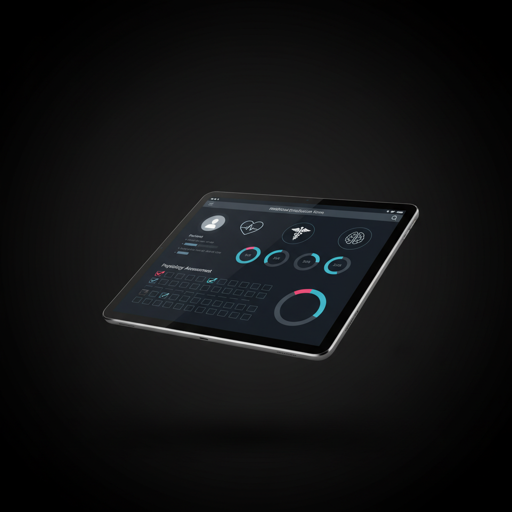
Compliance Dashboard
Compliance dashboards integrate all exposure control parameters into unified views that facilitate due diligence demonstration to regulatory inspectors.
ROI and Economic Benefits of Integrated Control
Return on investment in integrated exposure control systems consistently exceeds 300% in the first implementation year. Accident reduction from cognitive deterioration generates significant direct and indirect savings.
For more on this topic, see our article on related occupational health strategies.
Integrated control of respirable dust, heat stress and noise is not just a regulatory obligation, it's a competitive advantage that improves productivity while protecting human life.
— Dr. Marcus Thompson, Occupational Health SpecialistEconomic benefits include insurance premium reduction (15-25%), decreased absenteeism from respiratory diseases (34%), and productivity improvement through better cognitive performance (18%).
| Benefit | Annual Savings | Realization Timeframe |
|---|---|---|
| Accident Reduction | $2.3M average | 6 months |
| Lower Insurance Premiums | $450K average | 12 months |
| Productivity | $1.8M average | 9 months |
Optimize Your Exposure Control Program
Implement integrated monitoring of respirable dust, heat stress and noise with automatic alerts for your surveillance teams. Logifit Ops Platform offers complete regulatory compliance and proven ROI.
Request Demo →Successful implementation of integrated exposure control requires robust technology, clear protocols and trained surveillance teams. Organizations adopting this holistic approach experience sustainable improvements in safety, productivity and regulatory compliance, establishing new industry standards in protecting workers exposed to multiple occupational agents.