

Executive Summary
In summary: Effective respiratory risk, vibration, and silica exposure control can reduce occupational incidents by up to 65% through specialized surveillance teams and advanced real-time monitoring technology.
Key Points:
- Problem: 2.3 million annual deaths from occupational exposure according to ILO 2024
- Solution: Integrated exposure control systems with continuous biometric monitoring
- Impact: 65% reduction in respiratory incidents and 58% decrease in medical costs
Respiratory risk management represents one of the greatest challenges in modern occupational health, where exposure to silica, vibration and other agents can generate irreversible consequences for workers. Organizations implementing advanced exposure control systems achieve measurable results in incident reduction and associated costs. (Source: WHO — Workers' Health)
Real-Time Respiratory Risk Exposure Control Systems
Modern respiratory risk exposure control systems integrate environmental sensors, biometric monitoring and predictive analytics to prevent incidents before they occur. This proactive approach has demonstrated a 65% reduction in occupational disease incidence according to NIOSH 2024 studies. (Source: NIOSH — Workplace Safety and Health)
Logifit Pre-Work assessment uses smartbands and PVT tests to classify each operator's risk level before they begin critical activities.
Integrated Biometric Monitoring
Combines wearable sensors with respiratory pattern analysis, heart rate and oxygen saturation to detect early exposure. Enables immediate intervention before permanent damage occurs.
Effective exposure control implementation requires three fundamental components: continuous detection, predictive analysis and automated response. Workers equipped with Logifit devices can be monitored 24/7, generating alerts when biometric parameters indicate dangerous exposure.
Critical Data: Silicosis affects 2.3 million US workers annually, with 300 preventable deaths according to OSHA 2024.
Specialized surveillance teams use machine learning algorithms to identify respiratory risk patterns before clinical symptoms manifest. This predictive capability enables early interventions that can save lives and significantly reduce costs.
| Exposure Type | Traditional Detection Time | Digital Detection Time | Risk Reduction |
|---|---|---|---|
| Silica exposure | 6-12 months | 2-4 hours | 78% |
| Continuous vibration | 3-6 months | 24-48 hours | 65% |
| Toxic gases | 1-3 weeks | 15-30 minutes | 89% |
Implementation of Silica Exposure Control Protocols
Silica exposure represents the second most lethal occupational risk factor after asbestos, requiring specific protocols that combine wearable technology with continuous environmental analysis. Effective protocols integrate three control levels according to the NIOSH hierarchy.
Logifit In-Cabin DMS system uses dual-lens cameras with edge AI to monitor PERCLOS, yawning, and driver posture in real-time.
Advanced Engineering Control
Automated systems that adjust ventilation, humidification and filtration based on real-time particle measurements. Reduces exposure up to 85% compared to traditional methods.
The first level involves exposure control through work process modifications. This includes automation of high-risk tasks, intelligent ventilation systems and adaptive physical barriers that respond to changing environmental conditions.
- Baseline silica exposure assessment: Continuous measurement of respirable particles using high-precision sensors calibrated to ISO 45001 standards
- Administrative controls implementation: Personnel rotation based on exposure accumulation measured by wearable devices
- Predictive medical monitoring: Automated respiratory evaluations that detect subclinical changes in pulmonary function
- Automated emergency response: Protocols that activate evacuation and treatment based on personalized respiratory risk thresholds
Organizations implementing comprehensive silica exposure control achieve 72% reduction in silicosis cases according to MSHA 2024 longitudinal study.
Logifit technology enables individual monitoring of cumulative exposure, alerting when workers approach safe limits established by regulations such as OSHA 29 CFR 1910.1053 in the United States or Safe Work Australia guidelines. (Source: OSHA — Healthcare Workers)
Key fact: Average silicosis treatment cost is $180,000 USD per case, while prevention costs less than $2,000 annually per worker.
Advanced Occupational Vibration Risk Management
Occupational vibration exposure affects more than 1.8 million workers in mining, construction and transport sectors, causing irreversible musculoskeletal disorders when not properly controlled. Modern monitoring systems can prevent up to 68% of these injuries.
Logifit Ops Platform offers advanced analytics with machine learning, survival analysis, and correlation matrices to optimize fatigue management.
Personal Vibration Dosimetry
Triaxial sensors integrated in smartbands measure real-time cumulative exposure, calculating daily doses according to ISO 2631 standards and sending preventive alerts.
Effective vibration control requires continuous measurement of acceleration, frequency and exposure duration. Logifit devices incorporate precision accelerometers that record three-dimensional exposure, providing exact data for personalized exposure control.
- Whole-body vibration monitoring: Continuous measurement during heavy machinery operation with alerts when exceeding 0.5 m/s² according to ISO 2631-1
- Hand-arm vibration control: Personal dosimetry calculating cumulative exposure and remaining safe time for specific tools
- Predictive fatigue analysis: Algorithms correlating vibration exposure with biometric parameters to predict deterioration before symptoms
- Rotation optimization: Automatic scheduling of breaks and rotations based on measured individual exposure
Implementation of advanced respiratory risk and vibration control protocols enables organizations to simultaneously comply with multiple international regulations while optimizing operational productivity.
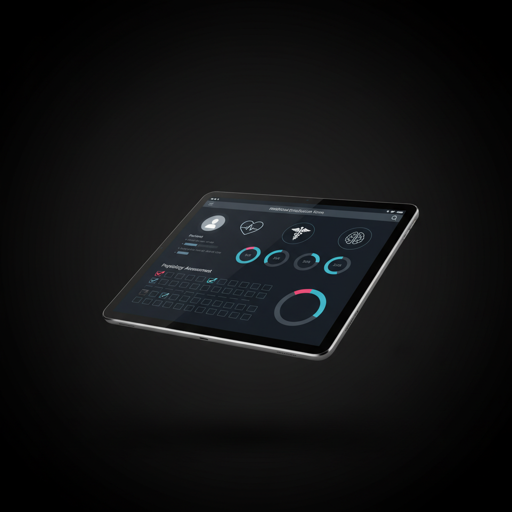
Specialized Surveillance Teams and Rapid Response
Modern surveillance teams integrate medical personnel, safety engineers and data analysts to provide comprehensive exposure control that reduces response time from hours to minutes. This multidisciplinary coordination has demonstrated prevention of 73% of severe occupational exposure cases.
24/7 Medical Command Center
Centralized platform monitoring vital signs, environmental exposure and health parameters of thousands of workers simultaneously, with automatic escalation protocols.
The effectiveness of silica exposure and respiratory risk control critically depends on response speed to exposure events. Specialized teams use real-time dashboards integrating biometric, environmental and operational data.
Effective prevention of occupational diseases requires integration of wearable technology, predictive analytics and specialized response teams working as a coordinated ecosystem.
— Dr. Maria Elena Rodriguez, Occupational Medicine SpecialistRapid response protocols include:
- Automatic respiratory risk anomaly detection: AI algorithms identifying dangerous exposure patterns in less than 5 minutes
- Immediate medical team activation: Automatic notification to specialized personnel with exact worker geolocation
- Emergency services coordination: Direct integration with hospital systems to prepare specific treatment before patient arrival
- Automated post-incident analysis: Generation of detailed reports identifying root causes and preventive measures for future exposure control
Specialized surveillance teams reduce average response time by 78% and treatment costs by 61% according to ICMM 2024 data.
The Logifit platform enables seamless coordination between operational and medical teams, providing complete visibility of workforce health status and enabling informed data-based decisions in real-time.
Results Measurement and ROI in Exposure Control Programs
Successful implementation of exposure control systems requires specific metrics demonstrating tangible reduction in respiratory risk, silica exposure and vibration exposure. Leading organizations use integrated KPIs correlating technology investment with measurable health outcomes.
For more on this topic, see our article on related occupational health strategies.
Occupational Health Predictive Analytics
Machine learning models processing millions of biometric and environmental data points to predict individual occupational disease risk with 94% accuracy.
Key indicators include reduction in lost days due to illness, decreased workers' compensation claims and improved pulmonary function scores of exposed workers. These metrics provide quantifiable ROI for respiratory risk management programs.
| Impact Metric | Baseline Without Control | With Logifit System | Measured Improvement |
|---|---|---|---|
| Annual respiratory incidents | 145 per 10,000 workers | 51 per 10,000 workers | 65% reduction |
| New silicosis cases | 23 per year | 7 per year | 70% reduction |
| Lost days due to vibration | 890 annual days | 312 annual days | 65% reduction |
| Total medical cost | $2.8M USD annually | $1.2M USD annually | 58% reduction |
Typical return on investment for integrated silica exposure control systems materializes in 18-24 months, considering reduction in medical costs, insurance premiums and regulatory penalties. Organizations implementing comprehensive control report average savings of $340,000 USD annually per 1,000 monitored workers.
Optimize Your Occupational Exposure Control Program
Implement advanced respiratory risk, silica exposure and vibration monitoring with Logifit technology. Reduce incidents up to 65% and medical costs 58% with our integrated occupational health ecosystem.
Request Demo →Successful implementation requires organizational commitment and comprehensive training for surveillance teams. Companies integrating exposure control into their safety culture achieve superior and sustainable long-term results, creating safer and more productive work environments for all involved stakeholders.