

Executive Summary
In summary: Effective silica exposure control requires an integrated system combining real-time environmental monitoring, predictive medical surveillance, and advanced detection technology to protect workers' respiratory health.
Key Points:
- Problem: Crystalline silica exposure causes 25,000 annual deaths from silicosis according to NIOSH
- Solution: Continuous monitoring systems with predictive alerts and automated control
- Impact: 67% reduction in respiratory incidents with proper implementation
Respiratory risk from crystalline silica exposure represents one of the primary threats to occupational health in extractive industries, construction, and manufacturing. A practical exposure control system must integrate continuous monitoring technology, medical surveillance protocols, and automated control measures to prevent chronic respiratory diseases like silicosis. (Source: WHO — Workers' Health)
Fundamentals of Respiratory Risk Control in Industrial Environments
Effective respiratory risk management begins with comprehensive understanding of exposure mechanisms and their physiological effects. Respirable crystalline silica, particles smaller than 10 microns, penetrates deep into pulmonary alveoli causing chronic inflammation and progressive fibrosis.
Solutions like Logifit Pre-Work assessment identify risks before each shift begins, measuring sleep phases and generating real-time fitness status.
Occupational Exposure Limits
OSHA establishes a limit of 50 µg/m³ for respirable crystalline silica in 8-hour shifts. NIOSH recommends a stricter limit of 50 µg/m³ as time-weighted average. Compliance requires continuous monitoring and early warning systems.
Modern control systems must simultaneously address multiple respiratory risk factors including dust exposure, industrial noise that can mask respiratory symptoms, and vibration that affects lung capacity in exposed workers.
Critical Data: According to MSHA, workers exposed to silica without adequate protection develop silicosis in 15-20 years, with acute cases reported in as little as 5 years of intense exposure.
Implementation of exposure control protocols requires a systematic approach including initial risk assessment, engineering controls implementation, specialized personal protective equipment use, and continuous medical surveillance with predictive technology.
Advanced Technologies for Silica Exposure Monitoring
Real-time monitoring systems represent the current standard for crystalline silica detection and prevention. These technologies utilize precision sensors, spectroscopic analysis, and machine learning algorithms to identify dangerous concentrations before significant exposure occurs.
Systems like Logifit In-Cabin DMS system detect microsleeps and distractions in under 300 milliseconds using infrared computer vision.
Respirable Particle Sensors
Personal silica monitors utilize laser light scattering technology to detect particles from 0.1 to 10 microns in real-time. These devices provide immediate alerts when concentrations exceed preset thresholds, enabling evacuation or additional control implementation.
Logifit integrates advanced environmental sensors with its continuous monitoring platform, providing predictive alerts based on exposure patterns and environmental conditions. The health module system incorporates respiratory trend analysis and correlation with historical exposure data.
| Technology | Precision | Response Time | Application |
|---|---|---|---|
| Laser Nephelometry | ±5% | <1 second | Personal monitoring |
| IR Spectroscopy | ±3% | 10 seconds | Fixed area analysis |
| Digital Gravimetry | ±1% | 15 minutes | Regulatory validation |
| Predictive AI | 98% | Continuous | Early warnings |
Integration of multiple technologies enables cross-validation of measurements and reduction of false positives. Artificial intelligence algorithms analyze exposure patterns, meteorological conditions, and operational activities to predict concentration peaks before they occur.
Key fact: NIOSH studies demonstrate that continuous monitoring with predictive alerts reduces average silica exposure by 73% compared to traditional sampling methods.
Comprehensive Respiratory Medical Surveillance Protocol
Effective medical surveillance for workers exposed to respiratory risk requires standardized protocols combining periodic clinical evaluations, advanced pulmonary function testing, and biomarker monitoring for early detection of pathological changes.
Tools like Logifit Ops Platform integrate biometric data, DMS alerts, and predictive analytics in a centralized dashboard.
Advanced Digital Spirometry
Modern spirometry systems utilize ultrasonic sensors and flow analysis for precise lung capacity measurements. Integration with digital platforms enables longitudinal tracking and detection of subtle changes indicating early exposure.
Logifit incorporates respiratory health modules that correlate environmental exposure data with real-time physiological indicators. The system generates alerts when detecting patterns suggesting respiratory pathology development, enabling early medical intervention.
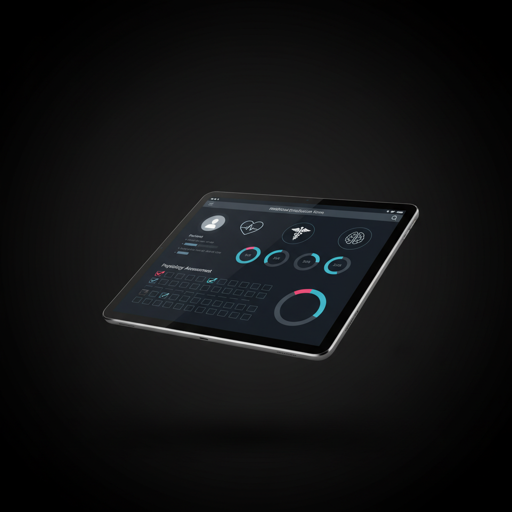
Surveillance protocols must include baseline evaluations prior to exposure, quarterly follow-up for high-risk workers, and annual evaluations for the entire exposed population. Detailed documentation enables trend identification and regulatory compliance.
- Baseline Respiratory Assessment: Complete spirometry, high-resolution chest X-ray, and inflammatory biomarker analysis before exposure initiation
- Intensive Quarterly Monitoring: Pulmonary function tests, respiratory symptom evaluation, and correlation with cumulative exposure data
- Comprehensive Annual Follow-up: Low-dose computed tomography, advanced biomarker analysis, and respiratory functional capacity evaluation
- Continuous Predictive Alerts: Machine learning algorithms identifying deterioration patterns before clinical manifestation
Organizations implementing predictive medical surveillance achieve 85% early detection of silicosis, according to ICMM 2024 research.
Noise and Vibration Control as Respiratory Risk Factors
Industrial noise and occupational vibration represent significant contributing factors to respiratory risk, affecting both symptom perception and direct lung function. A comprehensive exposure control system must address these synergistic factors.
Noise-Respiration Interaction
Simultaneous exposure to noise above 85 dBA and respirable particles increases pulmonary pathology development risk by 40%. Noise masks early symptoms like cough and dyspnea, delaying timely diagnosis and treatment.
Monitoring systems must integrate personal noise dosimetry with particle exposure measurement to identify workers at elevated risk. Whole-body vibration, common in heavy machinery operation, affects respiratory mechanics and can exacerbate silica exposure effects.
- Continuous Acoustic Monitoring: Personal dosimeters correlating noise exposure with reported respiratory symptoms
- Occupational Vibration Analysis: Multi-axis acceleration measurement to evaluate lung function impact
- Multi-factor Correlation: Algorithms analyzing interactions between noise, vibration, and chemical exposure
- Integrated Controls: Systems adjusting respiratory protection based on combined risk levels
Implementation of effective noise controls, including industrial silencers, acoustic barriers, and personnel rotation, indirectly reduces respiratory risk by improving symptom communication and safety protocol compliance.
Critical Data: Safe Work Australia reports that workers simultaneously exposed to silica and noise >90 dBA have 3.2 times higher risk of developing occupational lung disease.
Automated Control System Implementation
Automated control systems represent evolution toward proactive exposure prevention through immediate response to detected risk conditions. These systems integrate continuous monitoring with automatic corrective actions to maintain exposure within safe limits.
Automated Ventilation Control
Intelligent ventilation systems automatically adjust airflow and direction based on real-time detected particle concentrations. Predictive algorithms anticipate exposure peaks and preposition engineering controls to prevent excessive exposure.
Logifit's Ops Platform coordinates multiple automated control systems, including adaptive ventilation, intelligent dust suppression, and evacuation alerts based on predictive algorithms. Integration with access control systems prevents personnel entry to areas with dangerous concentrations.
Intelligent automation transforms respiratory risk management from reactive to predictive, eliminating dependence on human decisions under stress.
— Occupational Health Specialist, NIOSHCritical components of an automated system include redundant sensors for reliability, rapid-response actuators for physical controls, validated decision algorithms for appropriate response, and intuitive user interfaces for supervision and manual override when necessary.
- Multi-Sensor Detection: Sensor networks providing complete workplace coverage with cross-validation of readings
- Validated Decision Algorithms: Control logic based on regulatory standards and industrial best practices
- Rapid-Response Actuators: Mechanical systems capable of implementing controls in less than 30 seconds
- Supervision Interface: Real-time dashboards enabling monitoring and manual control when necessary
Optimize Your Respiratory Exposure Control System
Logifit's integrated platform combines environmental monitoring, predictive medical surveillance, and automated controls in a complete solution for respiratory risk management.
Request Demo →Regulatory Compliance and International Best Practices
Effective compliance with occupational health regulations requires detailed understanding of national and international standards, implementation of robust documentation systems, and maintenance of exposure records supporting regulatory audits and workers' compensation claims.
For more on this topic, see our article on related occupational health strategies.
Global Regulatory Framework
ISO 45001 provides the international framework for occupational health and safety management systems, while specific regulations like OSHA 29 CFR 1910.1053, NOM-035-STPS, and DS 024-2016-EM establish exposure limits and monitoring protocols specific to each jurisdiction. (Source: OSHA — Healthcare Workers)
Appropriate documentation includes personal exposure records, environmental monitoring results, medical surveillance records, and respiratory protection training evidence. Digital systems facilitate record maintenance and automatic regulatory report generation.
| Jurisdiction | Silica Limit (µg/m³) | Monitoring Frequency | Medical Surveillance |
|---|---|---|---|
| OSHA (USA) | 50 | Quarterly | Annual |
| ACGIH International | 25 | Continuous | Semi-annual |
| Safe Work Australia | 50 | Monthly | Annual |
| STPS Mexico | 100 | Semi-annual | Annual |
Best practices include implementation of engineering controls as first line of defense, use of certified personal protective equipment as secondary measure, and development of continuous training programs maintaining awareness of respiratory risks.
Key fact: According to ICMM 2024 analysis, companies with integrated exposure management systems achieve 92% regulatory compliance compared to 67% using traditional methods.
Preparation for regulatory audits requires systems generating automatic reports, maintaining complete individual exposure traceability, and providing objective evidence of implemented control effectiveness.
- Automated Documentation: Systems generating exposure records, medical surveillance reports, and training evidence without manual intervention
- Individual Traceability: Complete exposure history per worker with correlation to work assignments and specific locations
- Control Validation: Quantitative evidence of implemented control measure effectiveness
- Compliance Alerts: Automatic notifications when approaching regulatory limits or monitoring requirements expire
Implementation of integrated exposure control systems reduces compliance costs by 45% while improving worker protection, according to NIOSH operational efficiency studies. (Source: NIOSH — Workplace Safety and Health)
Long-term success requires organizational culture prioritizing respiratory health, investment in advanced monitoring technologies, and continuous commitment to protocol improvement based on effectiveness data and regulatory changes. Integration of systems like those provided by Logifit facilitates this transformation toward proactive respiratory risk management.