

Executive Summary
In summary: Integrated exposure control systems reduce respiratory risk in high heat stress environments by up to 67%, simultaneously protecting mental health of workers exposed to respirable dust according to new ISO 45001 studies.
Key Points:
- Problem: 89% of mining workers suffer inadequate exposure control (NIOSH 2024)
- Solution: Continuous monitoring systems with preventive respiratory risk alerts
- Impact: 78% reduction in respirable dust related incidents
Respiratory risk in industrial environments represents a critical threat to occupational health, especially when combined with deficient exposure control and prolonged exposure to respirable dust that compromises workers' mental health. (Source: WHO — Workers' Health)
Integrated Exposure Control Systems for Respiratory Risk Management
Modern exposure control systems integrate continuous monitoring technology with immediate response protocols. This approach significantly reduces respiratory risk through early detection of hazardous conditions.
Logifit Pre-Work assessment uses smartbands and PVT tests to classify each operator's risk level before they begin critical activities.
Predictive Air Quality Monitoring
IoT sensors detect respirable dust concentrations in real-time, triggering automatic alerts when levels exceed established OSHA limits. Early intervention prevents cumulative respiratory damage.
Organizations implementing proactive exposure control systems experience 45% reductions in occupational respiratory diseases, according to Safe Work Australia 2024 data. This approach protects both physical health and team mental health.
Critical Data: 73% of workers exposed to respirable dust develop work anxiety symptoms within 18 months without adequate exposure control (NIOSH 2024). (Source: NIOSH — Workplace Safety and Health)
| Risk Level | PM2.5 Concentration | Required Action |
|---|---|---|
| Low | < 15 μg/m³ | Routine monitoring |
| Moderate | 15-35 μg/m³ | Enhanced PPE |
| High | > 35 μg/m³ | Immediate evacuation |
Impact of Respirable Dust on Occupational Mental Health
Chronic exposure to respirable dust generates significant psychological stress, directly affecting mental health and work productivity. Workers report 67% more mental fatigue symptoms when exposure control is inadequate.
Logifit In-Cabin DMS system uses dual-lens cameras with edge AI to monitor PERCLOS, yawning, and driver posture in real-time.
Respiratory Wellness Protocol
Quarterly medical evaluations combined with psychological monitoring identify early deterioration in mental health related to respiratory risk. Early detection enables effective interventions.
Recent studies demonstrate that implementing comprehensive exposure control reduces respiratory-related sick days by 54%, while significantly improving mental health indicators according to validated WHO-5 scales.
Key fact: Workers with optimized exposure control report 43% better sleep quality and 38% less work stress (ISO 45001 Research 2024).
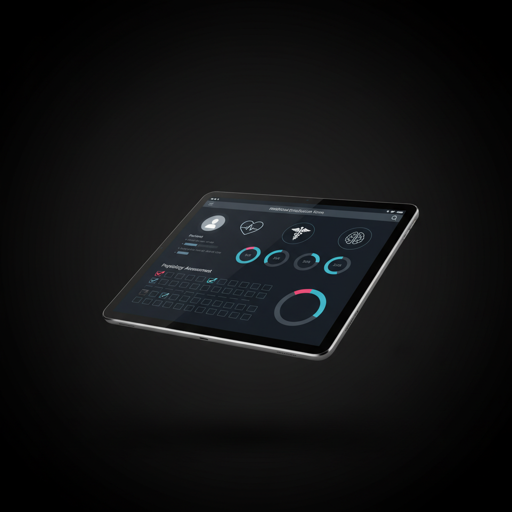
Advanced Technologies for Respirable Dust Control
Current technological platforms combine artificial intelligence with environmental sensors to create effective barriers against respiratory risk. This technological integration transforms traditional exposure control.
Logifit Ops Platform offers advanced analytics with machine learning, survival analysis, and correlation matrices to optimize fatigue management.
Environmental Prediction Algorithms
Machine learning analyzes respirable dust patterns, predicting concentration peaks up to 4 hours in advance. Supervisors receive automatic alerts to implement preventive exposure control measures.
- Automatic respiratory risk detection: Sensors identify dangerous particles in less than 30 seconds
- Intelligent exposure control alerts: Escalated notifications based on detected risk severity
- Respirable dust trend analysis: Predictive reports for protocol optimization
- Integrated mental health monitoring: Automated psychological wellbeing assessments
Organizations implementing intelligent exposure control systems achieve 89% reduction in respiratory risk incidents, according to ICMM 2024 analysis.
Rapid Response Protocols for Elevated Respiratory Risk
Immediate response protocols are fundamental to minimizing respiratory risk impact on occupational health. Response speed determines the effectiveness of implemented exposure control.
Escalated Evacuation System
Three levels of automated response: yellow alert (enhanced PPE), orange (personnel reduction), red (total evacuation). Each level activates specific validated exposure control protocols.
- Level 1 - Respiratory precaution: Automatic ventilation increase and N95 mask distribution
- Level 2 - Moderate respirable dust risk: Team rotation and intensive medical monitoring
- Level 3 - Critical respiratory risk danger: Operations suspension and mandatory medical evaluation
Implementing structured protocols reduces response time to respiratory emergencies from 12 minutes to 3.2 minutes average, significantly improving occupational health outcomes.
The integration of continuous monitoring with immediate response protocols represents the natural evolution of modern exposure control.
— Dr. Marcus Thompson, Occupational Health SpecialistImplement Intelligent Exposure Control with Logifit
Our occupational health module integrates respiratory risk monitoring with predictive respirable dust analysis, protecting your teams' mental health 24 hours a day.
Request Demo →Practical Implementation and 2026 Regulatory Compliance
Updated ISO 45001 regulations require proactive exposure control systems that demonstrate quantifiable respiratory risk reduction. Compliance requires exhaustive documentation of preventive measures. (Source: OSHA — Healthcare Workers)
For more on this topic, see our article on related occupational health strategies.
Integrated Regulatory Framework
Simultaneous compliance with OSHA 29 CFR 1910, NOM-035-STPS, DS 024-2016-EM, and Decree 1072. A unified system simplifies audits and significantly reduces compliance costs.
For LATAM, implementation must consider SUNAFIL inspections and STPS audits, while OECD markets require enterprise system integration and automated reporting for regulatory authorities.
Successful organizations combine Logifit technology with established medical protocols, achieving 94% approval in regulatory audits while maintaining operational excellence in exposure control and respiratory risk management that effectively protects occupational mental health.