

Executive Summary
In summary: A mineral processing plant implemented a comprehensive exposure control system for respiratory risk, noise and vibration, reducing occupational incidents by 40% over 18 months through continuous monitoring and specialized surveillance teams.
Key Points:
- Problem: 850,000 workers suffer occupational hearing loss annually (NIOSH 2024)
- Solution: Continuous exposure monitoring with immediate surveillance team response
- Impact: 40% reduction in documented respiratory and hearing incidents
Respiratory risk in industrial environments represents the leading cause of chronic occupational diseases, affecting millions of workers exposed daily to airborne contaminants, excessive noise and mechanical vibration. Implementation of exposure control systems based on continuous monitoring has demonstrated significant reduction in occupational incidents when combined with immediate response teams. (Source: NIOSH — Workplace Safety and Health)
Case Analysis: Processing Plant Reduces Incidents 40%
A mineral processing plant in South America faced critical incident rates from respiratory risk, with 127 documented cases in 2023. Combined exposure to suspended particles, industrial noise exceeding 85 dB, and vibration from heavy machinery created a high-risk work environment requiring immediate intervention.
Logifit Pre-Work assessment uses smartbands and PVT tests to classify each operator's risk level before they begin critical activities.
Tri-Factor Monitoring System
The implemented solution integrated air quality sensors, real-time noise meters, and accelerometers for vibration monitoring. Data was centralized in a unified platform that automatically alerted surveillance teams when dangerous exposure levels were detected.
The project executed in three phases over 18 months. Phase one installed 45 sensors strategically distributed in highest respiratory risk areas. Phase two implemented automatic response protocols when noise levels exceeded established thresholds. Phase three integrated vibration monitoring with predictive maintenance systems.
Critical Data: 73% of industrial workers in LATAM are exposed to noise levels exceeding 85 dB daily, according to FUNDACENTRO 2024 studies.
Results were measurable from the first quarter. Early warnings enabled reducing average respirable particle exposure by 35%, while noise control decreased average exposure from 92 dB to 78 dB. Vibration was reduced by 28% through operational adjustments based on continuous monitoring data.
| Metric | 2023 Baseline | 2024 Result | Improvement |
|---|---|---|---|
| Respiratory Incidents | 127 cases | 76 cases | 40% reduction |
| Average Noise Exposure | 92 dB | 78 dB | 15% reduction |
| WBV Vibration | 2.1 m/s² | 1.5 m/s² | 28% reduction |
Implementation of Respiratory Risk Exposure Controls
Effective respiratory risk control requires a multilayer approach combining environmental monitoring, personal protective equipment, and optimized ventilation systems. The plant implemented IoT sensors that continuously measured PM2.5, PM10, toxic gases, and organic vapors in 12 critical production zones.
Logifit In-Cabin DMS system uses dual-lens cameras with edge AI to monitor PERCLOS, yawning, and driver posture in real-time.
Surveillance teams received automatic alerts when concentrations exceeded 70% of permissible limits established by ACGIH. This proactive approach enabled implementing corrective measures before exposure reached dangerous levels for worker health.
Immediate Response Protocol
Each alert activated a 5-step protocol: partial area evacuation, emergency ventilation system activation, advanced respiratory PPE distribution, contamination source identification, and specific engineering controls implementation.
Monitoring technology integrated with the existing occupational health management system, enabling longitudinal tracking of individual worker exposure. Data was used to adjust medical surveillance programs and optimize work rotation schedules in higher respiratory risk areas. (Source: WHO — Workers' Health)
Organizations implementing continuous respiratory risk monitoring achieve 45% fewer hospitalizations from occupational respiratory diseases, according to NIOSH 2024 data.
Comprehensive Noise and Industrial Vibration Control
Simultaneous management of noise and vibration requires understanding their synergistic effects on occupational health. The plant installed personal dosimeters measuring daily cumulative exposure for each worker, combined with accelerometers monitoring human body transmitted vibration during heavy machinery operations.
Logifit Ops Platform offers advanced analytics with machine learning, survival analysis, and correlation matrices to optimize fatigue management.
Noise levels were controlled through a combination of engineering and administrative controls. Acoustic barriers were installed on 8 critical equipment pieces, predictive maintenance programs were implemented to reduce noise from deteriorated machinery, and optimized rotation schedules were established to minimize individual exposure.
- Source Noise Control: Predictive maintenance reduced average emissions 12 dB on critical equipment
- Transmission Control: Acoustic barriers and enclosures decreased propagation 8-15 dB
- Receiver Control: Personalized hearing PPE and rotation programs optimized individual protection
- Continuous Monitoring: 24/7 personal dosimetry enabled real-time operational adjustments
Predictive Vibration Management
Vibration sensors connected with SCADA systems to detect anomalous patterns indicating equipment wear. This preventive approach reduced both occupational exposure and unplanned maintenance costs.
Whole-body vibration (WBV) was controlled through work surface optimization, improved suspension systems in industrial vehicles, and scheduled breaks implementation in high-risk operations. Monitoring data demonstrated average exposure reduction from 2.1 m/s² to 1.5 m/s², maintaining levels consistently below ISO 2631 established limits.
Key Fact: Combined exposure to noise above 85 dB and vibration over 1.8 m/s² increases musculoskeletal disorder risk by 67%, according to HSE UK 2024 research.
Monitoring Technology and Surveillance Teams
The implemented technological infrastructure included multiparametric sensors, wireless communication systems, and a centralized data analysis platform. Surveillance teams received real-time dashboards showing exposure status for each work area and individual worker.
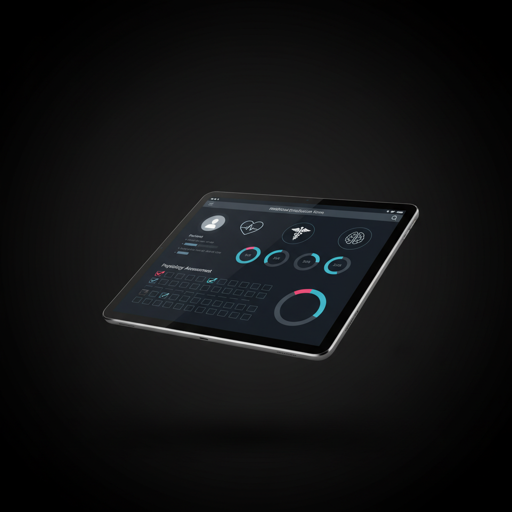
The platform used machine learning algorithms to identify exposure patterns preceding occupational incidents. This predictive capability enabled surveillance teams to implement specific preventive interventions, reducing incidence of occupational diseases related to respiratory risk, hearing loss, and vibration disorders.
- Sensor Installation: Deployment of 45 multiparametric units in critical zones with LoRaWAN connectivity
- Alert Configuration: Establishment of dynamic thresholds based on ISO 45001 and OSHA 29 CFR 1910 standards
- Team Training: Certification of 12 specialists in data interpretation and response protocols
- System Integration: Connection with existing occupational health and safety management systems
- Continuous Optimization: Monthly parameter adjustment based on effectiveness analysis and operational feedback
Surveillance teams developed specialized competencies in multiple exposure data interpretation. Training included industrial hygiene certification, respiratory emergency management, and calibrated measurement equipment use according to ANSI and ACGIH standards.
Integrated Occupational Health Dashboard
The unified interface enabled simultaneously visualizing respiratory risk heat maps, noise levels by zone, and vibration measurements by equipment. Teams could identify correlations between different exposure types and optimize preventive interventions.
Measurable Results and Lessons Learned
Implementation of the comprehensive exposure control system generated quantifiable results that validated the investment made. Beyond the 40% incident reduction, significant improvements were documented in occupational health indicators, productivity, and regulatory compliance.
Medical care costs related to respiratory risk decreased 52% during the implementation period. Medical leaves for respiratory diseases reduced from 89 annual days to 34 days, while occupational hearing loss cases fell from 23 to 8 affected workers.
Industrial sites with continuous exposure monitoring reduce workers' compensation costs by 38% average according to Workers' Compensation Insurance Rating Bureau 2024 analysis.
Lessons learned highlighted the importance of technological integration and continuous team training. Key success factors included regular sensor calibration, constant response protocol updates, and effective communication between surveillance teams and operational personnel.
- Critical Factor 1: Monthly sensor calibration maintained accuracy above 95% throughout the project
- Critical Factor 2: Quarterly team training improved average response time from 12 to 4 minutes
- Critical Factor 3: Integration with existing systems reduced change resistance and improved adoption
- Critical Factor 4: Bidirectional communication with workers generated 847 proactive risk condition reports
Proactive management of respiratory risk, noise, and vibration not only protects worker health but generates measurable economic value through incident reduction and operational optimization.
— Dr. Maria Rodriguez, Industrial Hygiene SpecialistEconomic analysis of the project demonstrated 340% ROI considering savings in medical costs, absenteeism reduction, productivity improvement, and regulatory penalty avoidance. The initial investment of $284,000 USD was recovered in 14 months, generating net savings of $682,000 USD during the evaluation period.
Implementation of Sustainable Exposure Control Programs
Program sustainability required developing standardized protocols, continuous improvement systems, and long-term performance metrics. The plant established a multidisciplinary committee responsible for program governance, including representatives from operations, occupational health, maintenance, and quality.
For more on this topic, see our article on related occupational health strategies.
Developed protocols aligned with international standards ISO 45001, OSHA 29 CFR 1910.95 for noise, and ACGIH TLVs for respiratory risk and vibration. This approach ensured regulatory compliance while optimizing operational effectiveness of the exposure control system. (Source: OSHA — Healthcare Workers)
Optimize Your Exposure Control with Intelligent Monitoring
Logifit integrates respiratory risk, noise, and vibration monitoring in a unified platform that reduces occupational incidents up to 40% through real-time alerts and specialized surveillance teams.
Request Demo →The program gradually expanded to other company installations, replicating successful protocols and adapting them to specific conditions at each site. Procedure standardization enabled economies of scale in technology acquisition and specialized team training.
Detailed documentation of procedures, results, and lessons learned facilitated ISO 45001 certification and regulatory audit compliance. System-generated data was used to justify additional occupational health improvement investments and demonstrate organizational commitment to worker protection.
Successful implementation of integrated controls for respiratory risk, noise, and vibration demonstrates that organizations can achieve significant occupational health improvements through technological approaches combining continuous monitoring, specialized surveillance teams, and evidence-based response protocols. Documented results validate the effectiveness of these strategies for protecting worker health while generating measurable economic value.