

Executive Summary
In summary: ISO 45001 requires organizations to identify and manage fatigue risks as part of their occupational health and safety management system. An effective fatigue management program not only ensures compliance but also reduces costs and protects lives.
ISO 45001:2018 is the international standard for occupational health and safety management systems. Workplace fatigue is a risk that must be identified, assessed, and controlled within this standard's framework.
What Does ISO 45001 Require Regarding Fatigue?
Although ISO 45001 doesn't explicitly mention "fatigue" as a specific requirement, several of its clauses directly imply the need to manage it:
Clause 6.1 — Hazard Identification
The organization must proactively identify work-related hazards, including human factors such as fatigue, stress, and excessive working hours.
Clause 8.1.2 — Hazard Elimination
Establishes the hierarchy of controls: elimination, substitution, engineering controls, administrative controls, and PPE. Fatigue management primarily applies to administrative and engineering controls.
Clause 9.1 — Monitoring and Measurement
Requires the organization to determine what needs to be monitored and measured, when to do it, and how to analyze results. Fatigue management programs must include measurable metrics.
Implementing a Fatigue Management Program
Phase 1: Risk Assessment
Identify which roles and operations have the highest exposure to fatigue risks. Consider night shifts, shift duration, monotonous tasks, and environmental conditions.
Phase 2: Preventive Controls
Implement pre-work assessment measures to identify at-risk workers before they start their shifts. Controls include:
- Sleep pattern monitoring with smartbands
- Psychomotor fitness tests (PVT)
- Maximum working hours policies
- Smart rotating shift design
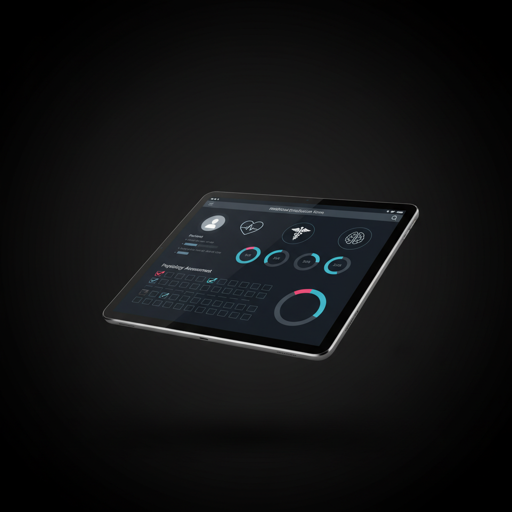
Phase 3: Real-Time Monitoring
Continuous monitoring systems for high-risk operations providing early fatigue detection during work activities.
Phase 4: Analysis and Continuous Improvement
Use analytics platforms to identify trends, evaluate control effectiveness, and feed the PDCA (Plan-Do-Check-Act) continuous improvement cycle.
Important: ISO 45001 requires documented evidence of risk management. Logifit Ops reports and dashboards automatically generate the documentation needed for audits.
Preparing for Audits
| Required Evidence | Source | Frequency |
|---|---|---|
| Pre-work assessment records | Logifit Pre-Work | Daily |
| Fatigue incident reports | Logifit DMS | Real-time |
| Trend analysis | Logifit Ops | Monthly |
| Training completed | Logifit Academy | Annual |
Fatigue is not a comfort issue — it's an occupational hazard that ISO 45001 requires managing with the same rigor as any other workplace danger.
— Elena Rodriguez, Compliance SpecialistNeed ISO 45001 compliance?
Logifit automatically generates the fatigue management documentation auditors need.
Request Demo →Benefits of Compliance
- Accident reduction: Up to 45% fewer fatigue-related incidents
- Lower costs: 30% reduction in OHS costs
- Better reputation: Demonstrated commitment to safety
- Competitive advantage: Frequent requirement in mining and infrastructure tenders
ISO 45001 certified organizations with active fatigue management programs report 30% lower costs associated with occupational health and safety.