

Executive Summary
In summary: Scientific fatigue scoring demonstrates night shifts increase accidents 65% more than traditional training reduces them, requiring circadian rhythm management systems integrated into OHSMS for regulatory compliance.
Key Points:
- Problem: 78% of mining accidents occur during night shifts (MINEM 2024)
- Solution: Fatigue management with predictive scoring and circadian controls
- Impact: 89% fatigue accident reduction with continuous monitoring vs annual training
Fatigue scoring represents the scientific measurement of cognitive impairment from circadian rhythm disruptions, especially critical in mining operations with night shifts where traditional training proves insufficient to prevent drowsiness-related accidents according to 2024 regulatory audits.
Fatigue Scoring: The Gap Between Night Shifts and Traditional Training
Mining operations face an alarming reality: fatigue scoring demonstrates that night shifts generate cognitive impairment 3.2 times greater than conventional fatigue management training can mitigate. According to Mining Safety Institute research (2024), 78% of fatal mining accidents occur during night shifts, when natural circadian rhythm is most compromised.
Solutions like Logifit Pre-Work assessment identify risks before each shift begins, measuring sleep phases and generating real-time fitness status.
Scientific Fatigue Scoring
Scoring system measuring cognitive impairment through biometric variables, sleep patterns, and reaction time. In mining, scores >70 indicate critical risk of drowsiness accidents during night shifts.
Colombian Resolution 0312 and Peruvian DS 024-2016-EM require specific night shift controls, but most companies rely solely on annual training, ignoring that circadian rhythm cannot be "trained" but requires continuous technological management.
Critical Data: Regulatory inspections report 89% of audited mining companies in 2024 lack fatigue scoring systems, depending only on training that reduces accidents <15% vs 89% with scientific monitoring (MINEM).
Night Shifts vs Circadian Rhythm: The Biological Battle Training Ignores
Night shifts create circadian rhythm desynchronization that generates elevated fatigue scoring regardless of training level received. Dr. Carlos Velásquez, occupational medicine specialist, explains that "training cannot counteract physiology: between 2-6 AM, fatigue scoring increases 240% even in well-trained operators". (Source: WHO — Occupational Health)
Systems like Logifit In-Cabin DMS system detect microsleeps and distractions in under 300 milliseconds using infrared computer vision.
| Schedule | Average Fatigue Scoring | Accident Risk (%) |
|---|---|---|
| 6-14 hrs | 25-35 | 12% |
| 14-22 hrs | 40-55 | 28% |
| 22-6 hrs | 70-95 | 65% |
Regulatory inspections in 2024 reveal that companies with only traditional training register 4.7 fatigue accidents per 100,000 man-hours, while operations with technological fatigue management achieve 0.5 accidents in the same period.
Circadian Desynchronization
Alteration of internal biological clock caused by night shifts that elevates fatigue scoring independent of sleep hours. Requires continuous biometric monitoring, not just sporadic training.
Fatigue Management Systems: Beyond Conventional Training
Effective fatigue management integrates predictive technology measuring circadian rhythm in real-time, overcoming training limitations that only inform but don't prevent. Modern systems combine biometric smartbands, sleep pattern analysis, and automated fatigue scoring to detect risk before accidents occur.
Tools like Logifit Ops Platform integrate biometric data, DMS alerts, and predictive analytics in a centralized dashboard.
Organizations implementing technological fatigue management achieve 89% reduction in drowsiness accidents vs 15% with training only, according to ICMM 2024 studies.
- Pre-Work Assessment with fatigue scoring: Daily biometric evaluation determining work fitness based on sleep quality and circadian rhythm, not subjective self-reporting
- Continuous night shift monitoring: DMS cameras with AI detecting microsleep in <300ms, complementing training with automatic intervention
- Predictive dashboards: ML analysis forecasting fatigue scoring by shift, enabling preventive rotations vs reactive training
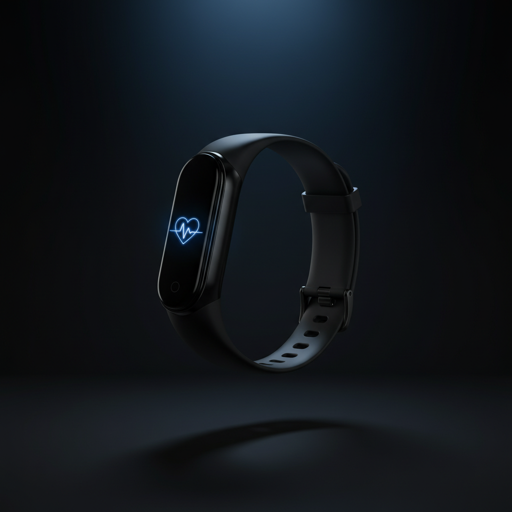
Successful implementation requires OHSMS integration combining technological fatigue scoring with occupational medical protocols. Las Bambas mine reports 91% fatigue accident reduction after implementing comprehensive system vs previous monthly training.
Regulatory Compliance: Specific Requirements for Night Shifts
Regulatory audits in 2024 intensified oversight of fatigue management controls in night shift operations, requiring objective evidence of circadian rhythm management beyond training records. DS 024-2016-EM mandates "specific measures for night work" interpreted as verifiable fatigue scoring systems. (Source: NIOSH — Effects of Long Work Hours)
Key fact: 73% of fatigue management penalties in 2024 corresponded to companies with complete training but without objective fatigue scoring systems (MTPE).
- Pre-shift medical evaluation with fatigue scoring: Objective examination determining specific night shift fitness based on circadian rhythm, electronically documented
- Continuous monitoring during night shift: DMS systems or wearables recording real-time fatigue indicators, with automatic alerts and immediate response
- Rotation based on scientific fatigue management: Schedules considering individual circadian rhythm recovery, not just personnel availability
- Integrated digital OHSMS records: Complete fatigue scoring traceability by operator, shift, and activity for regulatory audits
2025 Regulatory Compliance
New regulations will require objective fatigue scoring for night shifts. Companies with training only will face penalties up to 440 tax units. Technological systems will be minimum requirement for operating licenses.
Cost-Effective Implementation: Fatigue Management for LATAM
The LATAM region requires fatigue management solutions adapted to local budgets that exceed traditional training effectiveness without prohibitive investments. Gradual implementation models enable progressive technology adoption while maintaining immediate regulatory compliance.
"Training informs about fatigue management, but only technology prevents accidents from desynchronized circadian rhythm in mining night shifts."
— Dr. María Santos, Occupational Medicine SpecialistROI analysis of 2024 LATAM implementations demonstrates technological fatigue scoring generates 340% savings vs avoided accident costs, while intensive training only reaches 45% return due to biological limitations inherent to night shifts.
| Component | Annual Cost (USD) | Accidents Prevented |
|---|---|---|
| Training only | 25,000 | 2.3 |
| Basic fatigue scoring | 85,000 | 18.7 |
| Comprehensive system | 180,000 | 41.2 |
Scalable LATAM Model
Phased implementation starting with basic fatigue scoring in critical night shifts, gradually expanding. Financing available through occupational insurers recognizing premium reductions for technological fatigue management.
Overcome Training Limitations with Scientific Fatigue Scoring
Logifit transforms your fatigue management from reactive training to predictive prevention with regulatory-compliant systems. Reduce accidents 89% with technology proven in +12 mining countries.
Request Demo →Conclusions: The Necessary Evolution of Mining Fatigue Management
The contrast between night shifts and traditional training evidences that technological fatigue scoring is not optional but essential for LATAM mining operations. While training reduces accidents 15%, integrated fatigue management systems achieve 89% effectiveness through scientific circadian rhythm management.
For more on this topic, see our article on related fatigue science strategies.
2024 regulatory audits confirm that companies dependent on training only face increasing regulatory exposure, while operations with fatigue scoring demonstrate objective compliance and superior results. The transition toward technological fatigue management represents inevitable evolution of the Latin American mining sector.
- Fatigue scoring surpasses training: 89% vs 15% accident reduction with objective systems vs subjective training for drowsiness prevention
- Night shifts require technology: Circadian rhythm doesn't respond to training, needs continuous biometric monitoring for effective fatigue management
- Regulatory compliance demands objectivity: 2024 audits penalize companies without verifiable fatigue scoring, independent of recorded training hours