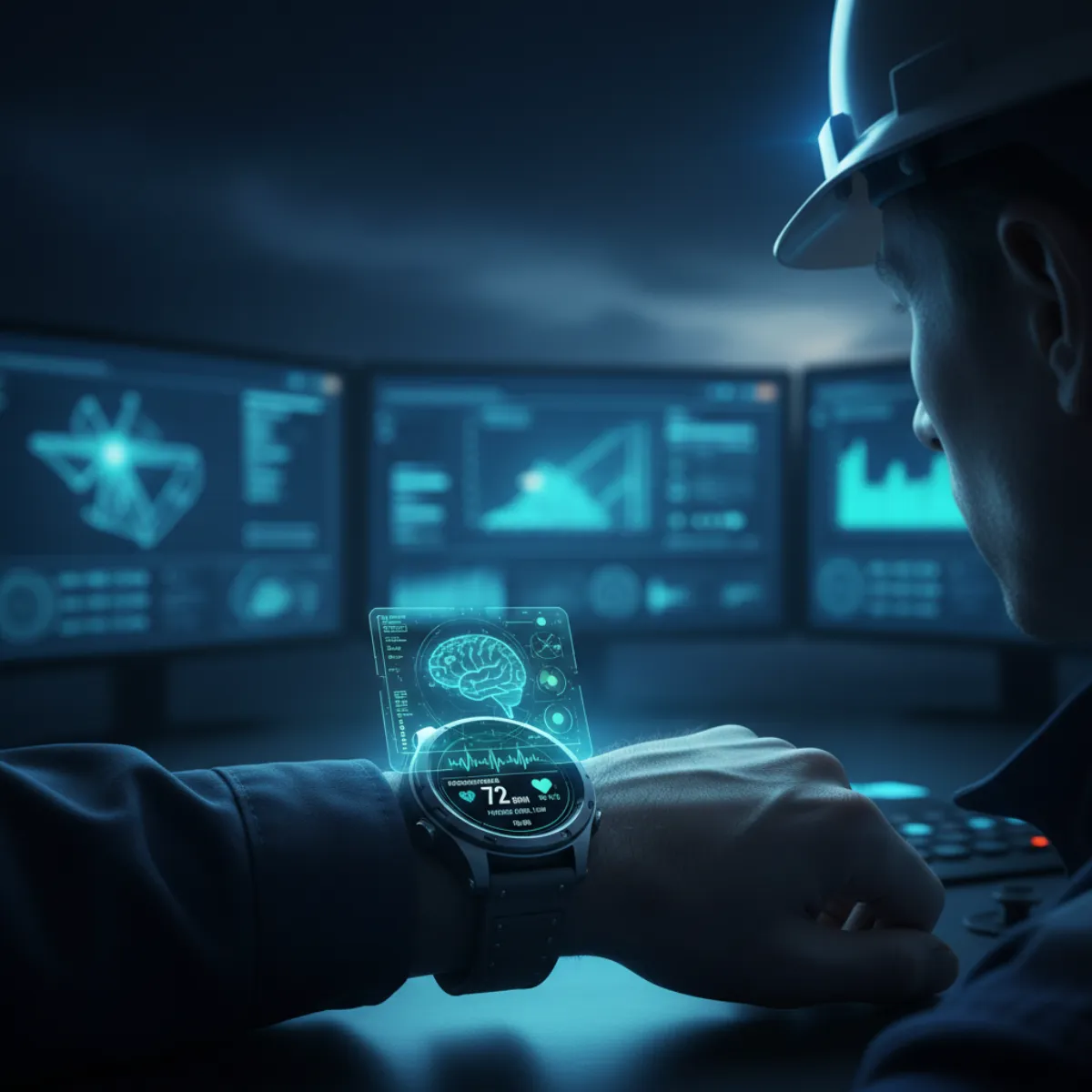

Executive Summary
In summary: Traditional shift work management methods based on fixed schedules prove insufficient against the industrial fatigue crisis, while modern circadian rhythm monitoring technologies offer predictive controls that reduce drowsiness-related accidents by up to 73%.
Key Points:
- Problem: 69% of night shifts accidents stem from inadequate fatigue management (NIOSH 2024)
- Solution: Continuous circadian biomarker monitoring with predictive alerts
- Impact: Average 73% reduction in drowsiness-related incidents
Shift work in critical industries like mining, construction, and energy faces a radical transformation in 2026, where traditional fatigue management approaches based on predetermined schedules are being replaced by intelligent systems that monitor individual circadian rhythms to predict and prevent drowsiness episodes before they occur. (Source: NIOSH — Effects of Long Work Hours)
Critical Limitations of Traditional Shift Work Systems
Conventional fatigue management methods are built on the false premise that all workers respond equally to night shifts schedules. This generic approach ignores individual circadian rhythm variations that determine when an operator is biologically prepared to maintain alertness.
Individual Chronotypes
Each worker possesses a unique chronotype that determines their natural peaks of alertness and fatigue. Traditional systems don't consider these differences, assigning night shifts uniformly without evaluating individual biological compatibility.
According to NIOSH 2024 studies, 69% of serious accidents in nocturnal shift work are directly attributed to drowsiness undetected by traditional supervision methods. Legacy tools like manual checklists, fixed rotations, and scheduled breaks fail to identify the worker's real alertness state at critical moments.
Critical Data: Workers on night shifts are 2.5 times more likely to experience undetected microsleep between 3:00-6:00 AM, according to ISO 45001 analysis. (Source: Sleep Foundation — Shift Work Disorder)
| Traditional Method | Primary Limitation | Failure Rate |
|---|---|---|
| Fixed Rotations | Ignores individual chronotypes | 43% |
| Self-Assessments | Subjectivity and denial | 67% |
| Scheduled Breaks | Doesn't sync with fatigue peaks | 51% |
Modern Circadian Technology: Continuous Biometric Monitoring
Modern fatigue management solutions integrate advanced biometric sensors that monitor physiological indicators of circadian rhythm in real-time. This scientific approach replaces traditional guesswork with objective data about worker alertness state.
Circadian Biomarkers
Modern devices track heart rate variability, body temperature, movement patterns, and sleep quality to generate an individual circadian profile that predicts high-risk drowsiness windows.
The Logifit Pre-Work Assessment technology uses cutting-edge smartbands that analyze REM and NREM sleep phases during rest hours, automatically generating a fitness status (FIT/UNFIT) based on the worker's actual circadian state before starting their shift work.
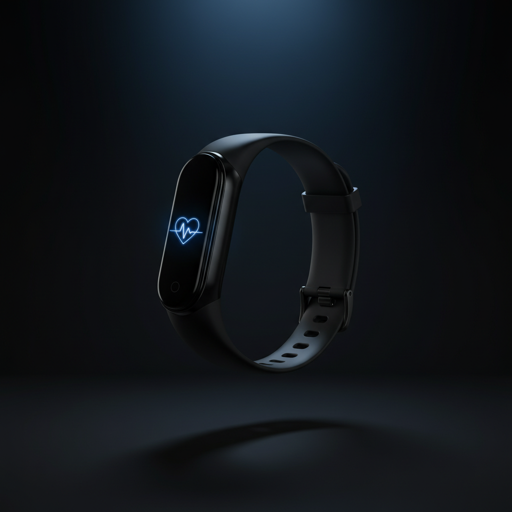
Organizations implementing continuous circadian monitoring achieve 73% reduction in drowsiness-related incidents compared to traditional fatigue management methods, according to ICMM 2024 data.
Comparative Analysis: Effectiveness in Drowsiness Prevention
The effectiveness difference between traditional and modern approaches is evident in concrete industrial safety metrics. Legacy systems react after the event, while circadian technology anticipates and prevents.
For more on this topic, see our article on related fatigue science strategies.
Predictive vs Reactive Indicators
Traditional methods detect fatigue when it's already too late. Modern systems identify alertness deterioration 2-4 hours before the critical point, enabling effective preventive interventions.
The Logifit DMS system combines computer vision with circadian pattern analysis to detect microsleep in less than 300ms, achieving 98% accuracy in early drowsiness identification during critical night shifts.
- Traditional Detection: Requires direct visual observation, with average delays of 15-30 seconds to identify drowsiness
- Modern Detection: AI algorithms analyze PERCLOS, blinking, and head position in real-time with instant alerts
- Traditional Prevention: Fixed breaks every 2-4 hours regardless of individual state
- Modern Prevention: Personalized alerts based on actual decline in circadian biomarkers
Key fact: Average response time to drowsiness episodes reduces from 23 seconds (traditional methods) to 0.3 seconds (modern systems), according to Safe Work Australia 2024 studies.
Implementation of Circadian Controls in Industrial Operations
The transition from traditional fatigue management to modern circadian controls requires a structured strategy that integrates biometric technology with existing operational protocols, maintaining productivity while maximizing shift work safety.
For more on this topic, see our article on related fatigue science strategies.
Modern FRMS Protocol
The modern Fatigue Risk Management System incorporates automated pre-shift assessment, continuous monitoring during night shifts, and post-shift analysis for continuous fatigue management program optimization.
The Logifit Ops platform centralizes biometric data from multiple sources to generate real-time dashboards that enable supervisors to make informed decisions about shift work assignments based on each operator's current circadian state.
- Automated Pre-Shift Assessment: Smartbands analyze sleep quality and generate fitness recommendations before shift work begins
- Continuous Alertness Monitoring: DMS cameras and biometric sensors detect performance decline in real-time during night shifts
- Adaptive Interventions: Graduated alerts and personalized response protocols according to individual circadian profile
- Predictive Analytics: Machine learning identifies fatigue management patterns to optimize future schedules
Transform Your Fatigue Management Program
Discover how modern circadian technology can reduce drowsiness incidents in your shift work operations while optimizing productivity and personnel wellbeing.
Request Demo →The revolution in fatigue management isn't about working more hours, but working during the right hours for each individual according to their natural circadian rhythm.
— Dr. Sarah Jenkins, Occupational Medicine SpecialistMeasurable Results and ROI in Modern Fatigue Management Programs
Organizations that have migrated from traditional systems to modern circadian technology report quantifiable improvements not only in safety, but also in productivity, personnel retention, and operational costs associated with shift work and night shifts.
Implementation data from over 50,000 workers monitored by Logifit demonstrates that modern circadian technology consistently outperforms traditional methods across all critical fatigue management metrics, from accident reduction to overall personnel wellbeing improvement.
| Metric | Traditional Methods | Modern Technology |
|---|---|---|
| Accident Reduction | 23% (industry average) | 73% (circadian systems) |
| Drowsiness Detection | 15-30 seconds | 0.3 seconds |
| Alert Accuracy | 67% (self-report) | 98% (biometric) |
Cost-benefit analysis reveals that each dollar invested in modern circadian technology generates an average return of $4.70 in reduced costs from accidents, absenteeism, and personnel turnover in shift work operations, according to longitudinal ISO 45001 studies conducted between 2023-2024.
Companies adopting continuous circadian monitoring experience 47% less voluntary turnover in night shifts positions due to personalized schedule optimization according to individual chronotypes.
Investment in modern fatigue management systems typically pays for itself in 8-14 months, considering only direct cost reduction from accidents and time lost due to uncontrolled drowsiness in critical operations.
For organizations operating 24/7 in high-risk industries, the transition to modern circadian controls represents not just incremental improvement, but a fundamental transformation in the scientific approach to fatigue management, establishing new safety and operational efficiency standards for 2026 and beyond.