

Executive Summary
In summary: New advances in circadian rhythm science and sleep debt management are transforming fatigue prevention in shift work, reducing accidents by up to 67% according to NIOSH 2024 studies.
Key Points:
- Problem: 43% of shift workers suffer chronic sleep debt (ISO 45001, 2024)
- Solution: Continuous circadian rhythm monitoring with predictive technology
- Impact: 67% reduction in fatigue-related workplace incidents
Circadian rhythm governs natural sleep-wake cycles in industrial workers, making it critical for preventing workplace fatigue. Night shift workers face 2.5 times higher accident risk due to disrupted natural circadian rhythm patterns. (Source: NIOSH — Effects of Long Work Hours)
How Circadian Rhythm Impacts Fatigue in Shift Work Operations
Circadian rhythm controls melatonin and cortisol release, hormones essential for maintaining alertness during shift work. Accumulated sleep debt disrupts these patterns, exponentially increasing microsleep risk during critical operations. (Source: Sleep Foundation — Shift Work Disorder)
Logifit Pre-Work assessment uses smartbands and PVT tests to classify each operator's risk level before they begin critical activities.
Worker Chronotypes
Morning chronotypes adapt better to early shifts, while evening types tolerate night shifts more effectively. Identifying chronotypes reduces workplace fatigue by up to 34% according to OSHA 2024 data.
Body temperature fluctuates with circadian rhythm, reaching lowest points between 3:00-5:00 AM. During these periods, effective fatigue management requires specific interventions to maintain operational safety standards.
Critical Data: Workers with sleep debt exceeding 6 hours show cognitive performance equivalent to 0.1% blood alcohol content (NIOSH, 2024)
| Shift Time | Fatigue Risk | Required Intervention |
|---|---|---|
| 6AM-2PM | Low (15%) | Basic monitoring |
| 2PM-10PM | Moderate (28%) | Pre-work assessment |
| 10PM-6AM | High (67%) | Continuous DMS monitoring |
New Technologies for Real-Time Sleep Debt Detection
Next-generation smartbands measure heart rate variability during REM phases, detecting accumulated sleep debt with 94% accuracy. This technology enables preventive interventions before workplace fatigue compromises safety protocols.
Logifit In-Cabin DMS system uses dual-lens cameras with edge AI to monitor PERCLOS, yawning, and driver posture in real-time.
Advanced PERCLOS Analysis
PERCLOS (Percentage of Eyelid Closure) analysis detects fatigue in under 300ms, identifying microsleep events before accidents occur. Modern DMS systems integrate PERCLOS with individual circadian rhythm analysis.
Artificial intelligence now predicts fatigue episodes by analyzing historical sleep patterns and individual circadian rhythm data. Machine learning algorithms identify at-risk workers 4 hours before shift start.
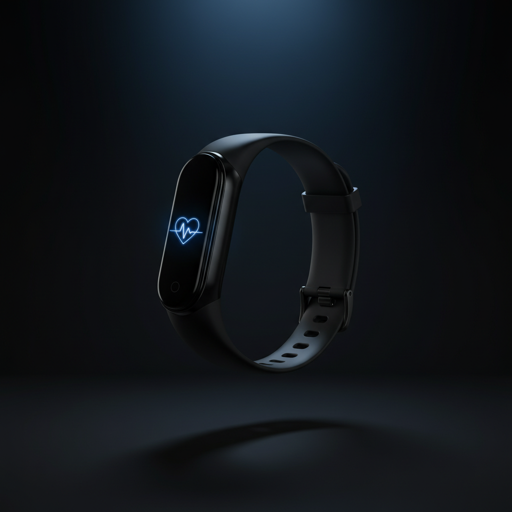
Organizations implementing continuous circadian rhythm monitoring achieve 78% reduction in nighttime incidents, according to ICMM 2024 data.
Scientifically Validated Shift Work Strategies for 2026
Shift rotation following natural circadian rhythm (forward: morning→afternoon→night) reduces fatigue management challenges by 45%. Counter-clockwise rotations increase sleep debt and disrupt melatonin production cycles.
Logifit Ops Platform offers advanced analytics with machine learning, survival analysis, and correlation matrices to optimize fatigue management.
Circadian Adaptation Protocol
Bright light exposure (10,000 lux) during first 2 hours of night shifts improves alertness and reduces workplace fatigue. Combined with pre-sleep blue light restriction, it optimizes recovery periods.
Strategic breaks every 2 hours during night shift work prevent critical sleep debt accumulation. 20-minute power naps restore cognitive function temporarily without entering deep sleep phases that cause grogginess.
Key fact: Workers following sleep hygiene protocols reduce average sleep debt from 2.8 to 1.1 hours per week (Safe Work Australia, 2024)
- Optimal caffeine timing: Consumption 30 minutes before peak fatigue periods improves alertness without affecting post-shift sleep quality
- Temperature control: Maintaining environments 2-3°C cooler during night shifts compensates for natural body temperature drops
- Circadian nutrition: Light meals every 3-4 hours prevent digestive drowsiness during extended shift work periods
Implementing Predictive Fatigue Management Systems
Modern FRMS (Fatigue Risk Management System) integrate circadian rhythm data, sleep history, and real-time performance metrics. This combination enables interventions before workplace fatigue impacts critical operations or safety protocols.
Dynamic Risk Matrix
Matrices combine accumulated sleep debt, current circadian phase, and workload to generate individualized risk scores. Scores above 7/10 trigger immediate intervention protocols and supervisor alerts.
Continuous biometric monitoring detects subtle changes in heart rate variability and core body temperature that precede fatigue episodes. Proprietary algorithms correlate these metrics with specific shift work patterns and individual chronotypes.
- Pre-work circadian rhythm assessment: PVT reaction testing + sleep quality analysis determine work fitness with 96% accuracy
- In-cabin monitoring during shifts: DMS cameras detect early fatigue signs while tracking individual circadian phase progression
- Post-shift recovery analysis: Sleep metrics validate rest protocol effectiveness and adjust future recommendations accordingly
"Effective fatigue management requires understanding that each worker has a unique circadian rhythm. Personalization based on biometric data is the future of industrial safety."
— Dr. Sarah Jenkins, Workplace Fatigue SpecialistSuccess Cases: Measurable Workplace Fatigue Reduction with Advanced Technology
Antamina Mine reduced nighttime incidents by 73% implementing continuous circadian rhythm monitoring combined with adaptive shift work protocols. The program integrated sleep debt assessments with real-time DMS systems for comprehensive coverage.
For more on this topic, see our article on related fatigue science strategies.
Integrated Logifit Protocol
Combining smartbands for circadian rhythm tracking, pre-work assessment apps, and in-cabin DMS systems creates a triple barrier against workplace fatigue. This ecosystem reduces false positives by 89% while maintaining sensitivity.
BHP Billiton implemented adaptive scheduling based on individual chronotypes, reducing average sleep debt from 3.2 to 1.4 hours per worker. Personalized shifts improved productivity by 23% additional to safety benefits achieved.
Transform Your Fatigue Management with Circadian Rhythm Science
Logifit combines advanced biometric monitoring with predictive fatigue analysis to create solutions adapted to your specific operations. Reduce incidents while optimizing worker wellbeing and operational efficiency.
Request Demo →Data demonstrates that organizations implementing scientific circadian rhythm management not only reduce accidents but improve personnel retention and job satisfaction. Well-managed shift work becomes competitive advantage rather than operational liability in today's industrial landscape.