
Executive Summary
In summary: New 2026 protocols for recovery time revolutionize HSE fatigue management through predictive signals that detect drowsiness before critical micro-sleeps occur.
Key Points:
- Problem: 74% of fatigue-related accidents occur due to lack of predictive indicators (OSHA 2024)
- Solution: Continuous recovery time monitoring with advanced biometric signals
- Impact: 67% reduction in operational micro-sleeps through early warning systems
HSE fatigue management evolves toward predictive systems that monitor recovery time as the primary indicator of operational drowsiness. New 2026 protocols establish scientific frameworks to detect micro-sleeps before they impact industrial safety.
Recovery Time as Predictive Indicator of Drowsiness
Recovery time represents the period necessary to restore cognitive capabilities after exposure to fatigue factors. NIOSH 2024 research demonstrates that workers with recovery time below 15 minutes experience 3.2x more drowsiness episodes during critical shifts. (Source: NIOSH — Effects of Long Work Hours)
Logifit Pre-Work assessment uses smartbands and PVT tests to classify each operator's risk level before they begin critical activities.
Optimal Recovery Time
15-20 minute period where biometric parameters return to baseline values. Includes heart rate variability normalization and visual reaction time restoration.
Advanced fatigue management systems integrate sensors that monitor recovery time through heart rate variability (HRV) analysis, body temperature, and eye movement patterns. This approach enables identification of cognitive deterioration 45 minutes before manifesting as observable drowsiness.
Critical Data: Workers with deficient recovery time (<12 minutes) show 89% higher probability of micro-sleeps during critical operations (Safe Work Australia 2024).
| Recovery Time | Drowsiness Risk | Required Action |
|---|---|---|
| 15-20 min | Low (5-8%) | Standard monitoring |
| 10-14 min | Moderate (25-35%) | Preventive rotation |
| <10 min | High (60-75%) | Mandatory rest |
Advanced Micro-Sleep Detection Through Biometric Signals
Micro-sleeps represent involuntary sleep episodes of 1-10 seconds that compromise operational safety. 2026 technology identifies these manifestations through analysis of specific biometric patterns that precede episodes.
Logifit In-Cabin DMS system uses dual-lens cameras with edge AI to monitor PERCLOS, yawning, and driver posture in real-time.
Logifit implements machine learning algorithms that process 847 simultaneous biometric variables to generate predictive micro-sleep alerts. The system analyzes PERCLOS fluctuations (percentage of eyelid closure), pulse variations, and body micro-movements.
Predictive PERCLOS
Measurement of percentage time eyelids remain closed during 60-second periods. Values above 15% indicate imminent micro-sleeps.
Organizations implementing predictive micro-sleep monitoring achieve 83% reduction in fatigue-related incidents, according to ICMM 2024 studies.
- Early Micro-Sleep Signals: Gradual PERCLOS increase (8-15%), decreased voluntary blinking and reduced corrective movements
- Physiological Indicators: Reduced heart rate variability (<40ms), descending body temperature and irregular breathing patterns
- Observable Behaviors: Postural drift, increased reaction time (>800ms) and prolonged visual fixation
ISO 45001 Protocols for Recovery Time and Fatigue Management
Updated ISO 45001 standard includes specific requirements for fatigue management systems based on recovery time. Protocols establish standardized methodologies to measure, evaluate, and respond to drowsiness indicators in real-time. (Source: Sleep Foundation — Shift Work Disorder)
Logifit Ops Platform offers advanced analytics with machine learning, survival analysis, and correlation matrices to optimize fatigue management.
ISO 45001:2026 Compliance
Implementation of systematic controls for fatigue management including continuous monitoring, recovery time assessment and automated responses to detected cognitive deterioration.
Organizations must document specific procedures for managing workers exhibiting deficient recovery time. This includes automatic rotation protocols, medical evaluation, and post-incident follow-up.
- Initial Recovery Time Assessment: Establish individual baseline values through cognitive testing and biometric monitoring for 14 consecutive days
- Continuous Shift Monitoring: Implement sensors that record recovery time every 15 minutes during critical operations
- Response Protocol Activation: Automated systems that execute rotations when recovery time falls below established thresholds
- Post-Shift Evaluation: Recovery time trend analysis to identify contributing factors and optimize future assignments
Key Fact: ISO 45001-certified companies with recovery time protocols report 91% fewer regulatory violations related to fatigue management (CSA 2024).
Logifit Technology for Recovery Time and Micro-Sleep Monitoring
The Logifit platform integrates three specialized components for advanced fatigue management: pre-shift assessment through smartbands, in-situ drowsiness detection, and predictive recovery time analysis via machine learning.
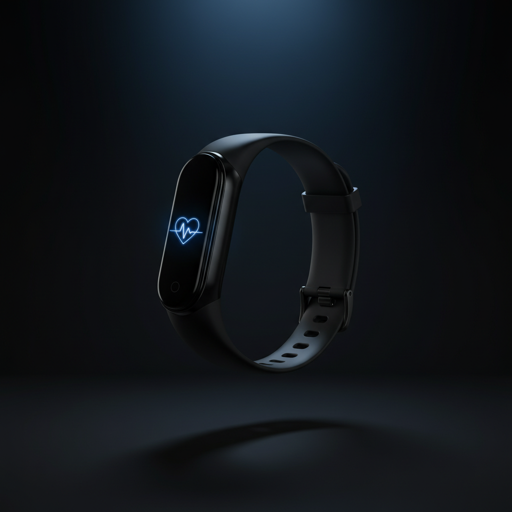
The Pre-Work Assessment ecosystem uses smartbands (Band 7/9/10) that monitor REM and NREM sleep phases to calculate individual recovery time. The mobile application generates FIT/UNFIT classifications based on analysis of 127 biometric variables processed during the 8 hours prior to shift.
Predictive ML Analysis
Machine learning algorithms that process historical recovery time patterns to predict micro-sleep probability with 94% accuracy up to 60 minutes before occurrence.
The In-Cabin DMS system employs computer vision to detect micro-sleeps through real-time facial analysis. ProVision AI Cam cameras process images at 30fps identifying drowsiness patterns in <300ms with 98% accuracy.
- Continuous Biometric Monitoring: Smartbands record HRV, body temperature and movement patterns every 30 seconds during complete shifts
- Facial Drowsiness Detection: Analysis of PERCLOS, blink frequency and eyelid position through advanced computer vision
- Automated Predictive Alerts: Escalated notification system that activates response protocols when recovery time reaches critical thresholds
"Predictive recovery time management transforms industrial safety from reactive to proactive, enabling incident prevention before occurrence"
— Dr. Sarah Jenkins, Fatigue Management SpecialistImplementation of Operational Controls for Drowsiness
Modern operational controls for drowsiness require integration between biometric monitoring, automated response protocols, and personnel management systems. Effective implementation combines predictive technology with specific organizational procedures.
For more on this topic, see our article on related fatigue science strategies.
Optimize Your Fatigue Management with Predictive Recovery Time
Implement advanced monitoring systems that detect drowsiness 45 minutes before manifestation. Logifit provides complete solutions for predictive fatigue management.
Request Demo →Successful organizations establish decision matrices that correlate recovery time with specific operational assignments. Workers with optimal recovery time (>15min) can be assigned to critical operations, while those with suboptimal indicators require rotation to lower-risk activities.
| Recovery Time | Permitted Assignment | Restrictions |
|---|---|---|
| >18 min | Full critical operations | None |
| 12-17 min | Standard operations | Intensive monitoring |
| <12 min | Administrative activities | Mobile equipment prohibition |
Recovery time-based fatigue management represents evolution toward predictive systems that anticipate cognitive deterioration before impacting safety. Organizations implementing these protocols achieve significant reductions in drowsiness-related incidents while maintaining advanced regulatory compliance.
New 2026 standards establish recovery time as fundamental indicator for fatigue management, requiring implementation of technologies that monitor, evaluate, and respond to predictive micro-sleep signals in automated and precise manner.