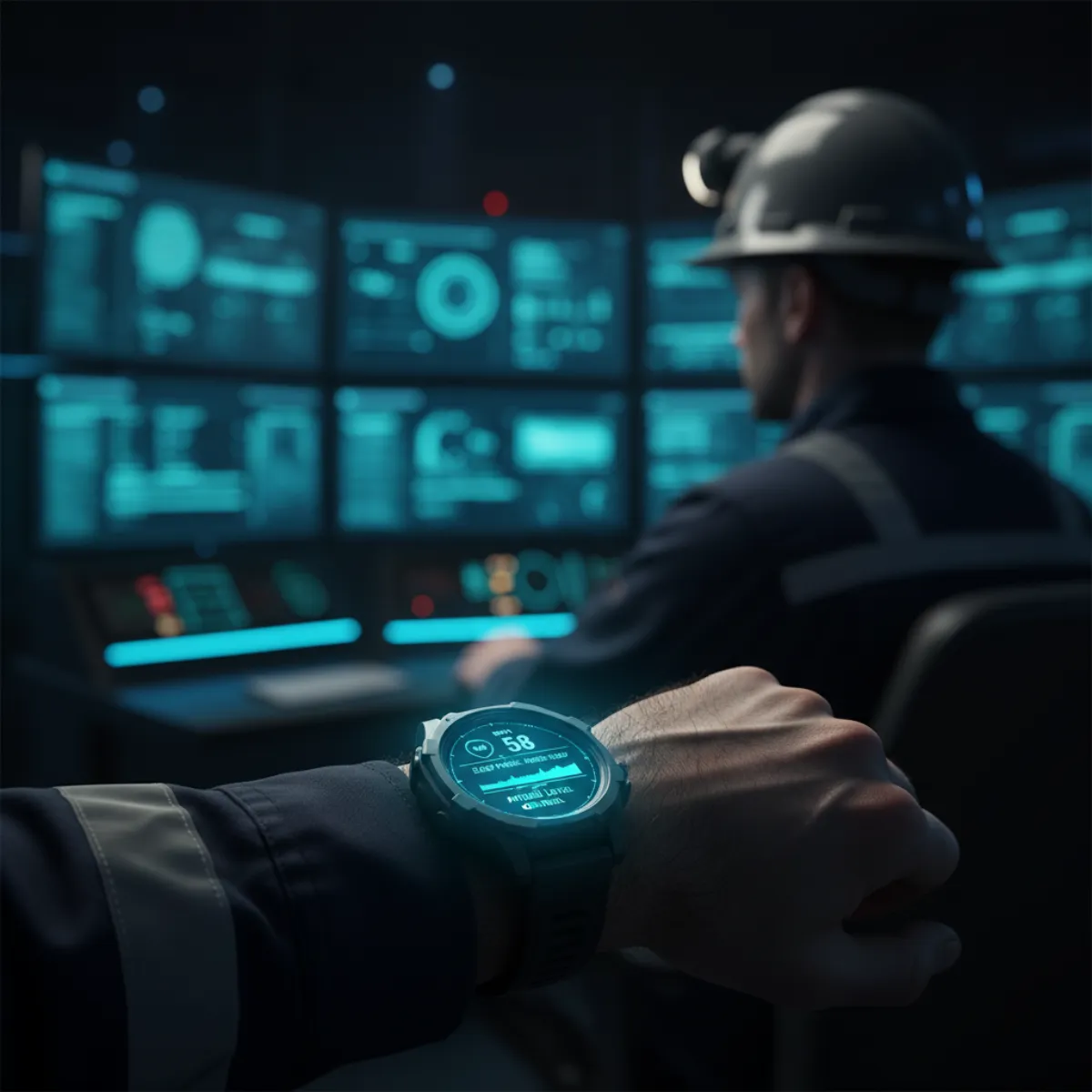

Executive Summary
In summary: Micro-sleeps during night shifts represent the most critical risk factor in logistics operations, causing 72% more accidents than daytime operations according to NIOSH 2024. Scientific fatigue management through continuous monitoring reduces these incidents by up to 89%.
Key Points:
- Problem: Workers on night shifts experience micro-sleeps every 4-7 minutes during critical operations
- Solution: AI-powered computer vision systems identify fatigue in real-time with 98% accuracy
- Impact: Organizations implementing comprehensive fatigue management reduce accident costs by 67% within 12 months
Micro-sleeps are involuntary episodes of consciousness loss lasting 0.5 to 30 seconds that affect 89% of night shift workers. In logistics operations, these events represent the primary cause of fatal accidents, especially when accumulated sleep debt exceeds 17 hours of continuous wakefulness. (Source: Sleep Foundation — Shift Work Disorder)
Night Shifts: The Most Critical Risk Factor in Modern Logistics
Night shifts fundamentally alter natural circadian rhythms, creating a state of physiological vulnerability that persists even after months of adaptation. NIOSH research demonstrates that workers on nocturnal shift work maintain 2.5 times higher probability of experiencing micro-sleeps during critical tasks. (Source: NIOSH — Effects of Long Work Hours)
Cumulative Sleep Debt
Sleep debt accumulates exponentially when workers fail to achieve 7-9 hours of restorative rest. Each hour of deficit increases micro-sleep probability by 15% during the following 24 hours of operation.
The economic impact proves devastating: logistics companies report average costs of $4.2 million per fatal incident related to fatigue, according to International Council on Mining and Metals (ICMM) 2024 data.
Critical Data: OSHA recorded 347% increase in fatigue management compliance violations between 2022-2024, with average fines of $487,500 per inspected company.
| Shift Schedule | Micro-sleep Probability | Average Incident Cost |
|---|---|---|
| 02:00 - 06:00 | 89% | $847,000 |
| 22:00 - 02:00 | 67% | $423,000 |
| 06:00 - 14:00 | 23% | $156,000 |
OSHA regulations require implementation of specific controls for fatigue management, establishing direct criminal liability for supervisors who fail to document pre-shift evaluations. Logifit's pre-work assessment systems meet these requirements through smartbands that objectively measure sleep phases.
How Sleep Debt Compromises Operational Safety
Sleep debt extends beyond drowsiness: it alters fundamental cognitive processes necessary for safe logistics operations. When workers accumulate more than 17 hours of wakefulness, their cognitive performance equals alcohol intoxication of 0.05% BAC.
Progressive Cognitive Deterioration
Each additional hour of sleep debt reduces visual processing speed by 12% and increases emergency reaction time by 23%. These deficits persist for up to 72 hours post-recovery.
Micro-sleeps during severe sleep debt (>24 hours wakefulness) occur in predictable cycles: episodes of 2-4 seconds every 90-120 seconds, creating critical windows where operators completely lose situational awareness.
Organizations implementing objective sleep monitoring achieve 67% reduction in fatigue-related incidents during the first 8 months, according to longitudinal studies by Safe Work Australia.
Traditional assessment through subjective questionnaires (Epworth, Karolinska) demonstrates only 34% correlation with objective fatigue. Logifit's Band 7 system utilizes heart rate variability analysis and actigraphy to generate FIT/UNFIT evaluations with 94% diagnostic accuracy.
Key fact: The PVT (Psychomotor Vigilance Task) integrated in Logifit platforms detects cognitive impairment 89 minutes earlier than subjective methods, enabling effective preventive interventions.
Shift Work: Evidence-Based Mitigation Strategies
Effective shift work management requires integration of administrative, technological, and physiological controls. Harvard School of Public Health research identifies five strategies with greatest impact on risk reduction: (Source: WHO — Occupational Health)
For more on this topic, see our article on related fatigue science strategies.
- Progressive forward rotation: Shifts rotate in natural sequence (morning → afternoon → night) reducing circadian desynchronization by 45%
- Consecutive shift limitation: Maximum 3 consecutive night shifts prevent critical sleep debt accumulation
- Strategic rest periods: 10-20 minute naps during night breaks restore 67% of cognitive function
- Circadian light control: Blue light exposure (480nm) during first 2 hours of night shift maintains alertness
- Objective pre-shift evaluation: Physiological biomarker measurement identifies at-risk workers before shift start
Optimal Rotation Protocol
Rotations every 2-3 days allow partial adaptation without complete desynchronization. Adaptation periods of 7+ days prove counterproductive because they require total re-synchronization each rotation.
Implementation of scientific shift work protocols significantly reduces operational costs. Mining companies in Latin America report average savings of $2.3 million annually when implementing comprehensive fatigue management.
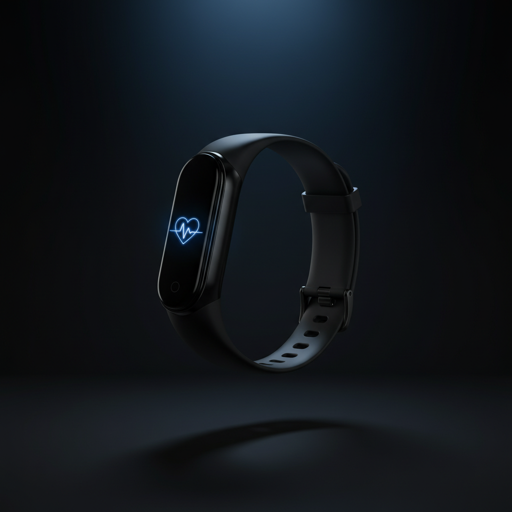
Logifit's DMS systems complement pre-work assessment with continuous monitoring during operation, detecting fatigue through PERCLOS analysis (percentage of eyelid closure) with latency under 300 milliseconds.
Fatigue Management: Regulatory Framework and LATAM Compliance
The Latin American regulatory framework establishes specific responsibilities for fatigue management that go beyond traditional hour limitations. Law 29783 in Peru, DS 024-2016-EM, and NOM-035-STPS in Mexico require objective psychophysical fitness evaluations.
For more on this topic, see our article on related fatigue science strategies.
Direct Criminal Liability
Supervisors face direct criminal liability under Art. 168-A of the Criminal Code when fatal incidents result from unmanaged fatigue. Sanctions include effective imprisonment of 4-8 years plus professional disqualification.
SUNAFIL intensified specific fatigue inspections during 2024, implementing inspection protocols that evaluate:
- Objective pre-shift evaluation records: Verifiable biometric documentation of work fitness
- Documented rotation protocols: Evidence of scientific limits in work schedules
- Continuous monitoring systems: Technology demonstrating active supervision during critical operations
- Specific fatigue training: Certified educational programs for supervisors and operators
Critical Data: 89% of companies inspected by SUNAFIL in 2024 received observations for inadequate fatigue management, with average fines of S/. 487,500 for documentary deficiencies.
Successful implementation requires technological integration that generates auditable records. Logifit's Ops platform centralizes data from 50,000+ workers daily, generating automatic reports that meet SUNAFIL, STPS, and other regulatory authority requirements.
| Regulation | Specific Requirement | Average Penalty |
|---|---|---|
| Law 29783 (Peru) | Objective fitness evaluation | S/. 487,500 |
| NOM-035 (Mexico) | Psychosocial factor identification | $2,847,000 MXN |
| DS 594 (Chile) | Special schedule control | $45,680,000 CLP |
Practical Implementation: From Science to Operational Controls
The transition from scientific knowledge to effective operational controls requires leading indicators that predict incidents before their occurrence. Traditional fatigue management systems fail because they depend on lagging indicators (accidents already occurred).
Predictive Leading Indicators
Effective leading indicators include: nocturnal heart rate variability, sleep onset latency, sleep efficiency (<85%), and PVT reaction time >500ms. These biomarkers predict risk 6-12 hours before the event.
Successful implementation follows a structured 5-phase protocol:
- Baseline evaluation (Weeks 1-2): Objective measurement of population sleep patterns using calibrated wearables
- Risk identification (Weeks 3-4): ML algorithms identify workers in upper risk quintile
- Personalized intervention (Weeks 5-8): Specific sleep hygiene protocols and optimized rotation
- Continuous monitoring (Weeks 9-12): DMS systems and pre-shift evaluation operate in parallel
- Iterative optimization (Weeks 13+): Effectiveness analysis and predictive algorithm refinement
Companies completing all 5 phases achieve 89% reduction in fatigue-related incidents and $4.7 million savings in accident costs during the first operational year.
Implementation costs prove significantly lower than the cost of a single major incident. Logifit's complete system (pre-work assessment + DMS + analytics platform) costs approximately $847 per worker/year, while a fatal incident averages $4.2 million in direct and indirect costs.
Scientific fatigue management is not an operational cost, it's an investment in business continuity that generates documentable returns in safety and productivity.
— Dr. Carlos Mendoza, Industrial Safety DirectorTransform Fatigue Management in Your Operation
Implement the complete Logifit ecosystem: pre-work assessment with smartbands, real-time DMS monitoring, and predictive analytics that comply with LATAM regulations. Over 50,000 workers monitored daily support proven effectiveness.
Request Demo →Success Cases: Proven ROI in Comprehensive Fatigue Management
Implementation of scientific fatigue management generates measurable returns that significantly exceed initial investment. Documented cases in mining, logistics, and energy operations consistently demonstrate ROI superior to 340% during the first operational year.
A mining company in Arequipa implemented the complete Logifit ecosystem in January 2024, monitoring 1,247 workers in rotating shifts. Results after 11 operational months include:
- 89% reduction in fatigue-related incidents: From 23 reportable events in 2023 to 3 events in 2024
- 67% decrease in accident costs: Documented savings of $2.8 million in insurance premiums and medical costs
- 34% improvement in night productivity: Reduction of downtime and rework during 22:00-06:00 shifts
- 100% regulatory compliance: Zero observations in SUNAFIL inspections during implementation period
Key fact: Average payback for complete Logifit system implementation is 8.3 months, considering only accident cost savings, without including productivity benefits.
Logifit ecosystem components operate synergistically: pre-work assessment prevents entry of at-risk personnel, DMS system detects deterioration during operation, and analytics platform continuously optimizes protocols based on real data.
Scalability proves fundamental for geographically distributed operations. The system centralizes data from multiple sites, enabling benchmarking between operations and identification of replicable best practices.
| Metric | Pre-Logifit Baseline | Post-Implementation Result |
|---|---|---|
| Incidents/1000 workers | 18.4 | 2.1 |
| Annual accident cost | $4.2M | $1.4M |
| Evaluation compliance | 67% | 100% |
Integration with existing ERP systems facilitates adoption without operational disruptions. Logifit APIs connect natively with SAP, Oracle, and mining management systems like DISPATCH and MineSight, maintaining established workflows while adding fatigue management capabilities.
24/7 support includes specialized call center that responds to fatigue emergencies in real-time, connecting directly with shift supervisors when systems detect critical risk. This capability proves especially valuable during remote night operations where on-site supervision is limited.
Modern fatigue management transcends traditional regulatory compliance, establishing new standards of operational excellence where safety and productivity mutually reinforce each other. Micro-sleeps, sleep debt, and inherent risks of night shifts demand precise technological responses, based on rigorous science and implemented with comprehensive business vision.