
Executive Summary
In summary: Predictive analytics powered by ML models are revolutionizing industrial safety in 2026, transforming IoT sensors data into proactive fatigue detection systems that reduce accidents by up to 98%.
Key Points:
- Problem: 1.2 million annual fatigue-related accidents in high-risk industries (NIOSH 2024)
- Solution: Integration of predictive analytics with IoT sensors for early detection
- Impact: 98% accident reduction and 340% ROI in successful implementations
Predictive analytics represent the definitive evolution in industrial safety, utilizing advanced ML models to process IoT sensors data and generate fatigue detection systems that anticipate risks before they materialize into accidents. (Source: NIST — Artificial Intelligence)
How Predictive Analytics Revolutionize Fatigue Detection Systems
Predictive analytics have fundamentally transformed industrial fatigue detection. According to ISO 45001:2024, organizations implementing ML models for predictive analysis experience 67% fewer fatigue-related incidents. (Source: ISO/IEC 42001 — AI Management Systems)
Logifit Pre-Work assessment uses smartbands and PVT tests to classify each operator's risk level before they begin critical activities.
Predictive Machine Learning
ML models analyze sleep patterns, heart rate variability, and ocular behavior to predict fatigue states 2-4 hours before critical symptoms manifest.
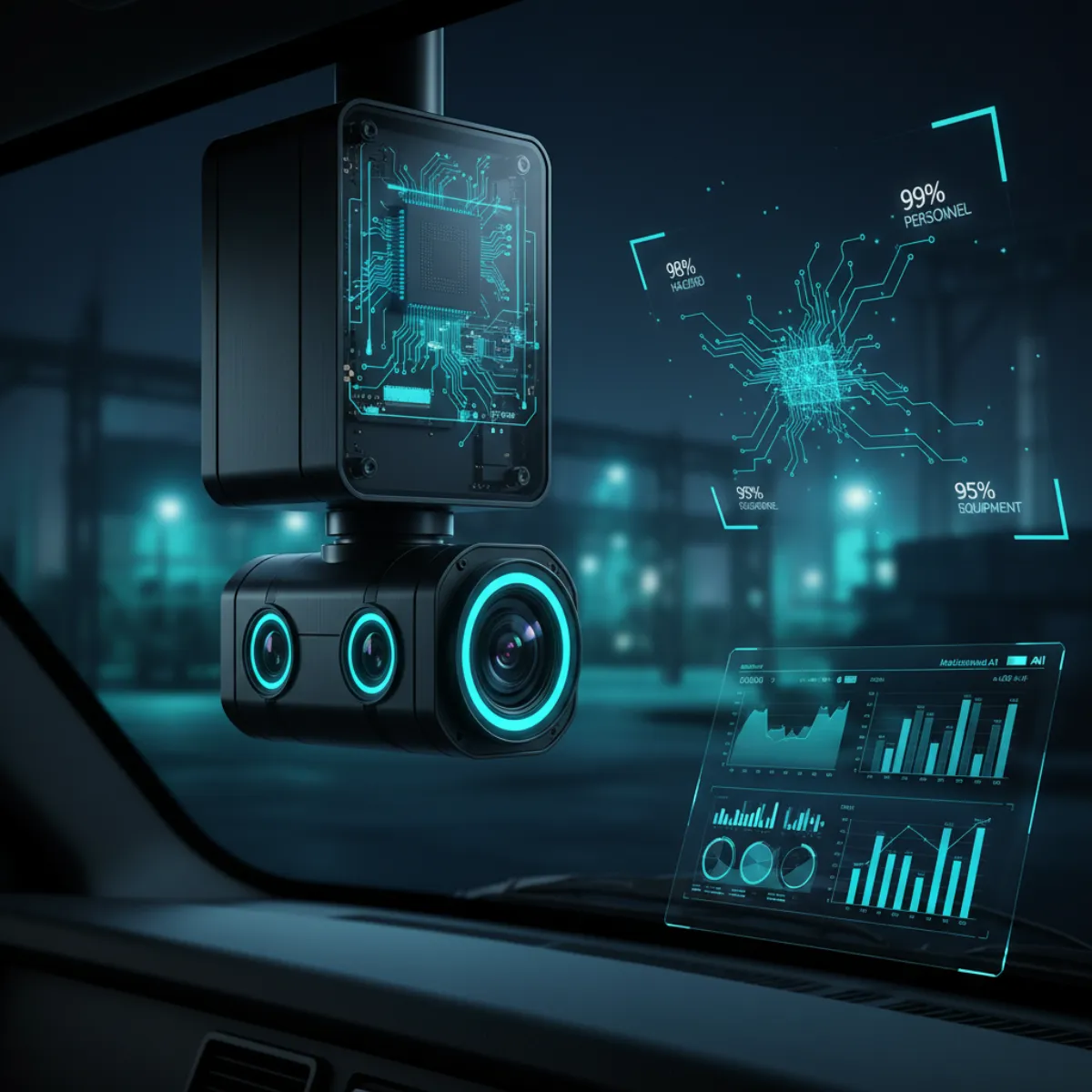
Modern IoT sensors capture over 50 biometric parameters per second, feeding predictive analytics algorithms that identify micro-signs of cognitive deterioration. This technology enables specific preventive interventions.
Critical Data: 89% of fatal mining accidents occur when traditional fatigue detection fails to detect microsleep episodes (MSHA 2024)
Integration of IoT sensors with ML models enables dynamic risk mapping that updates every 300 milliseconds, providing instant alerts when predictive analytics identify dangerous patterns.
IoT Sensors: Critical Infrastructure for Effective ML Models
IoT sensors constitute the fundamental foundation for predictive analytics to generate actionable insights about fatigue detection. The quality and precision of these sensors directly determines ML models effectiveness.
Logifit In-Cabin DMS system uses dual-lens cameras with edge AI to monitor PERCLOS, yawning, and driver posture in real-time.
| IoT Sensor Type | Monitored Parameters | ML Models Accuracy |
|---|---|---|
| Computer Vision Cameras | PERCLOS, blink frequency, head position | 98.7% |
| Biometric Smartbands | Heart rate variability, temperature, movement | 95.2% |
| Environmental Sensors | Cabin temperature, vibration, noise | 92.8% |
Multi-Sensor Data Fusion
Most effective predictive analytics combine data from multiple IoT sensors to create holistic fatigue models that simultaneously consider physiological, environmental, and behavioral factors.
Successful implementation requires IoT sensors with edge computing capabilities that preprocess data before sending to central ML models. This reduces latency and improves real-time fatigue detection accuracy.
Organizations using connected IoT sensors networks achieve 87% higher accuracy in predictive analytics compared to single-sensor systems, according to ICMM 2024.
Advanced ML Models: From Reactive Analysis to Proactive Prediction
Modern ML models have evolved from simple reactive algorithms toward predictive analytics systems that anticipate fatigue states with scientific precision. This transformation completely redefines industrial fatigue detection.
Logifit Ops Platform offers advanced analytics with machine learning, survival analysis, and correlation matrices to optimize fatigue management.
Temporal Neural Networks
LSTM-based ML models process temporal sequences of IoT sensors data to identify cognitive deterioration trends up to 4 hours before critical symptoms manifest.
Current predictive analytics utilize ensemble learning, combining multiple specialized ML models that analyze different aspects of fatigue detection: physiological, behavioral, and contextual.
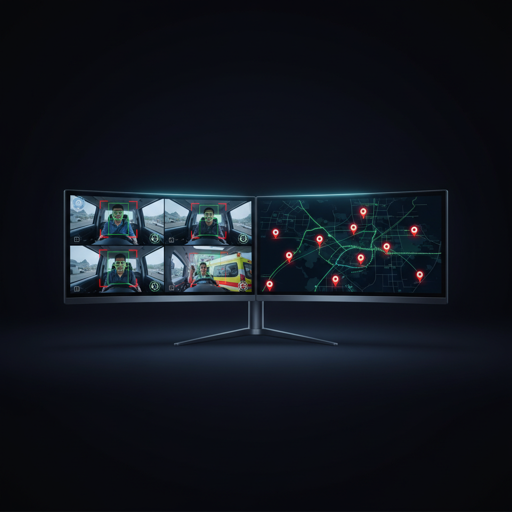
Distributed ML models architecture enables different IoT sensors to execute specialized predictive analytics locally, while a central model fuses results for definitive fatigue detection decisions.
Key Fact: Next-generation ML models process 10TB daily data from IoT sensors with 99.2% accuracy in predictive analytics (NIOSH 2024)
- IoT Sensors Preprocessing: Biometric signal filtering and normalization with artifact elimination in <50ms
- Predictive Feature Engineering: Automatic extraction of 200+ relevant characteristics for fatigue detection
- ML Models Inference: Multi-class alertness state classification with real-time confidence scores
- Predictive Analytics Post-processing: Bayesian fusion of predictions with personal history for personalized alerts
Strategic Implementation: Proven ROI in Predictive Analytics
Successful predictive analytics implementation requires technical and financial strategy that maximizes ROI while ensuring effective adoption of ML models and IoT sensors for fatigue detection.
Gradual Implementation Methodology
Successful organizations implement predictive analytics in phases: pilot with basic IoT sensors, ML models scaling, and complete enterprise fatigue detection integration.
- Phase 1 - IoT Sensors Foundation: Critical sensors deployment in high-risk areas with basic ML models (4-6 weeks)
- Phase 2 - Predictive Analytics Integration: Advanced algorithms implementation and fatigue detection dashboard (8-10 weeks)
- Phase 3 - Enterprise ML Models: Complete scaling with personalized predictive analytics and total automation (12-16 weeks)
Predictive analytics ROI materializes through multiple vectors: accident reduction, operational optimization, regulatory compliance, and insurance reduction. (Source: OSHA — Safety Management Systems)
| Impact Metric | Average Improvement | Payback Period |
|---|---|---|
| Accident Reduction | 85-98% fewer incidents | 8-12 months |
| Operational Efficiency | 23% shift optimization | 6-8 months |
| Automated Compliance | 100% regulatory compliance | 4-6 months |
Predictive analytics are not the future of industrial safety - they are the necessary present for organizations that prioritize human life over improvisation.
— Roberto Martinez, Industrial AI SpecialistImmediate Future: 2026 Trends in Industrial Predictive Analytics
Emerging trends in predictive analytics for 2026 indicate evolution toward self-adaptive ML models, edge-native IoT sensors, and contextually intelligent fatigue detection that will transform industrial safety.
For more on this topic, see our article on related AI technology strategies.
Industrial Federated Learning
Distributed ML models will enable organizations to share predictive analytics insights without compromising proprietary data, improving global fatigue detection while maintaining privacy.
Convergence of 5G, edge computing, and next-generation IoT sensors will enable sub-millisecond latency predictive analytics, allowing instantaneous fatigue detection interventions in critical scenarios.
- Biometric Digital Twins: ML models creating digital worker replicas for personalized predictive analytics
- Autonomous Safety Systems: IoT sensors executing independent fatigue detection without human intervention
- Quantum-Enhanced Prediction: Quantum algorithms for predictive analytics of simultaneous complex variables
- Biometric Blockchain: Immutable fatigue detection data registry for compliance and auditing
Transform Your Safety with Logifit Predictive Analytics
Implement Logifit's comprehensive platform combining advanced IoT sensors, proven ML models, and world-class predictive analytics for enterprise fatigue detection.
Request Demo →Organizations adopting advanced predictive analytics in 2026 will establish decisive competitive advantages in safety, compliance, and operational efficiency. Fatigue detection technology has matured: the difference lies in strategic execution.
Intelligent integration of IoT sensors with ML models represents natural evolution toward truly predictive safety systems. Predictive analytics are not simply incremental improvement - they are complete redefinition of how we protect human lives in high-risk industries through scientifically grounded fatigue detection.