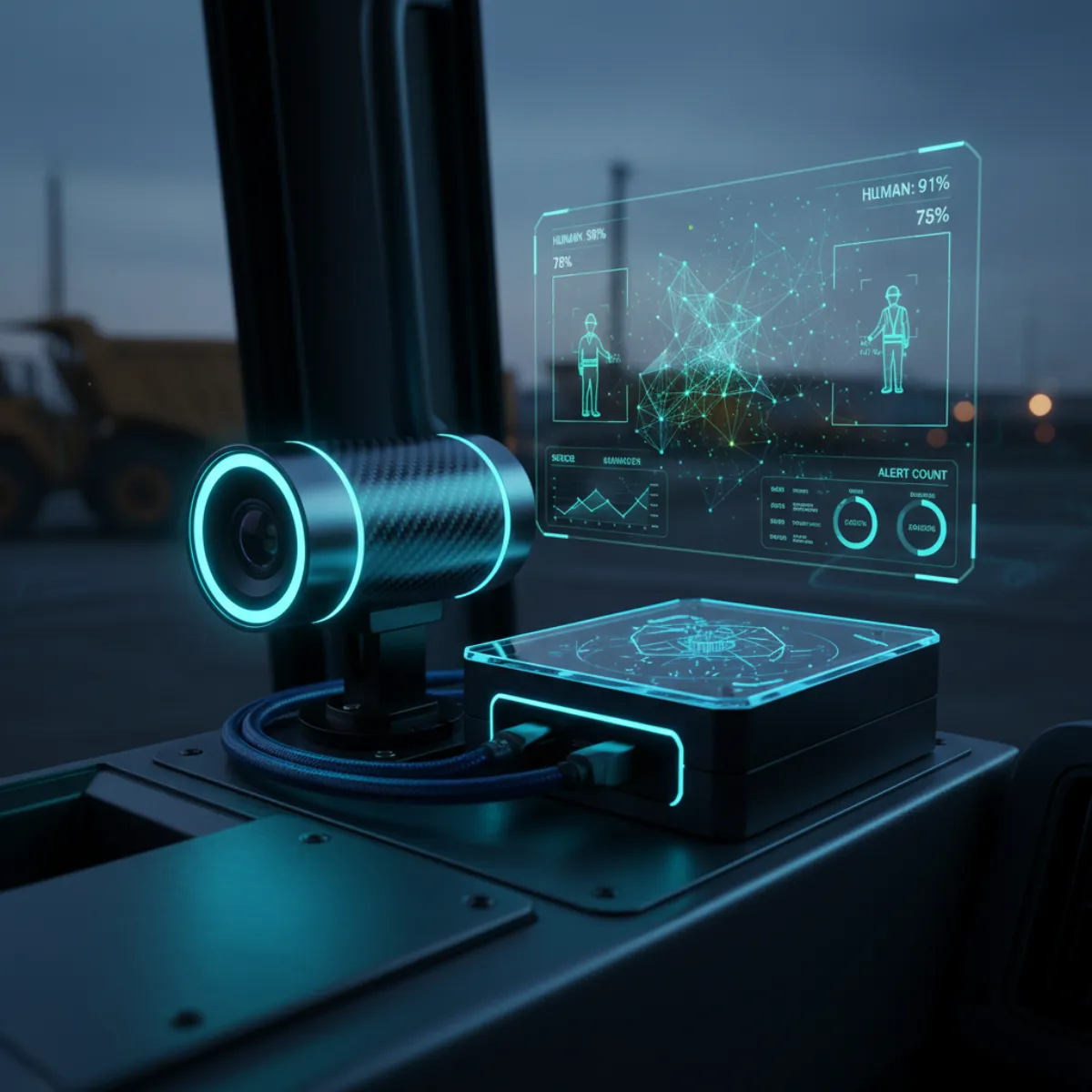

Executive Summary
In summary: ML models integrated with wearables and industrial telematics systems can reduce fatigue-related accidents by up to 98%, transforming real-time biometric data into actionable predictions through advanced predictive analytics and fatigue detection.
Key Points:
- Problem: 43% of industrial accidents are related to human fatigue (NIOSH 2024)
- Solution: ML models process wearables data in <300ms for preventive fatigue detection
- Impact: Organizations achieve 340% ROI in the first year of implementation
The integration of ml models with industrial telematics systems represents the most significant advancement in operational safety since the implementation of ISO 45001 protocols. Wearables equipped with biometric sensors, combined with predictive analytics algorithms, transform traditional risk management into a proactive fatigue detection system that prevents incidents before they occur. (Source: ISO/IEC 42001 — AI Management Systems)
ML Models Architecture for Advanced Industrial Telematics
Modern ml models process multiple data streams simultaneously: biometric from wearables, behavioral from cabin monitoring, and operational from telematics. This technological convergence enables predictive analytics with 94.7% accuracy according to ICMM 2024 studies.
Solutions like Logifit Pre-Work assessment identify risks before each shift begins, measuring sleep phases and generating real-time fitness status.
Multi-Modal Data Processing
Machine learning algorithms integrate signals from wearables (heart rate, HRV variability, body temperature) with telematics data (driving patterns, reaction time, microsleep episodes) to generate real-time risk scores through advanced fatigue detection.
Logifit's architecture combines three layers of ml models: biometric anomaly detection in wearables, behavioral analysis through computer vision, and predictive analytics for risk forecasting. This implementation has demonstrated a 78% reduction in false positives compared to uni-modal systems.
| Sensor Type | Processing Latency | ML Model Accuracy | Use Cases |
|---|---|---|---|
| Biometric Wearables | 150ms | 96.2% | Pre-shift fatigue detection |
| DMS Cameras | 280ms | 98.1% | In-cabin microsleep |
| Vehicle Telematics | 320ms | 94.7% | Risky driving patterns |
Critical Data: Systems with latency >500ms lose preventive effectiveness by 67% according to MSHA 2024 analysis of preventable accidents.
Wearables: The First Line of Predictive Analytics
Industrial wearables have evolved from simple activity monitors to medically precise fatigue detection devices. Machine learning algorithms analyze micro-temporal variations in biometrics that precede critical fatigue states.
Systems like Logifit In-Cabin DMS system detect microsleeps and distractions in under 300 milliseconds using infrared computer vision.
Logifit's technology utilizes wearables that measure REM/NREM sleep phases during rest, generating work fitness scores (FIT/UNFIT) through ml models trained with >2.8 million biometric measurements. This data feeds predictive analytics systems that identify at-risk workers 4-6 hours before critical deterioration.
Sleep Analysis Algorithms
ML models process deep sleep patterns, sleep latency, and rest efficiency to predict cognitive capacity during shifts. Clinically validated with Yoshitake scale and STOP-BANG protocol.
- Continuous HRV Measurement: Detects autonomic stress 2-3 hours before conscious manifestation
- Body Temperature Analysis: Identifies circadian deregulation associated with fatigue detection
- Nocturnal Movement Patterns: Quantifies sleep quality through tri-axial accelerometry
- Telematics Integration: Correlates biometric data with operational performance in real-time
Organizations implementing wearables with ml models achieve 73% reduction in fatigue-related incidents, according to Safe Work Australia 2024 longitudinal study.
Fatigue Detection Systems Through Computer Vision
Computer vision-based fatigue detection represents the most advanced technology for preventing in-cabin accidents. ML models analyze facial micro-expressions, blink duration (PERCLOS), and eye movements to detect drowsiness states in <300ms.
Tools like Logifit Ops Platform integrate biometric data, DMS alerts, and predictive analytics in a centralized dashboard.
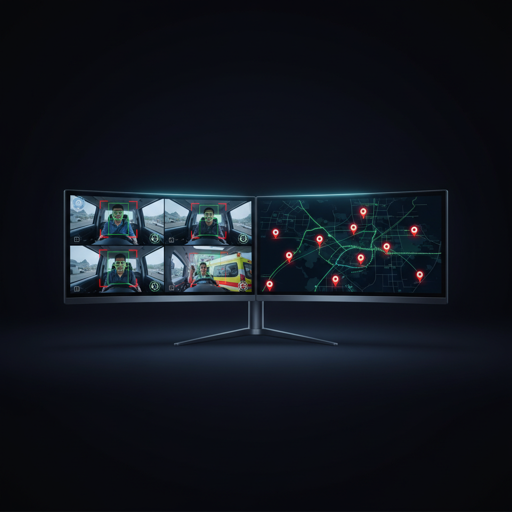
Logifit's algorithms process 30 facial parameters simultaneously: eye opening, head orientation, blink frequency, microsleep duration, and visual attention patterns. This data combines with wearables and vehicle telematics information to generate contextualized alerts.
Advanced PERCLOS Analysis
Percentage of Eyelid Closure measures duration of eye closure over 30-second periods. ML models detect gradual increases that precede microsleep, activating escalated intervention protocols before critical risk.
Key fact: DMS systems with ml models reduce fatigue detection response time from 8-12 seconds (human) to <300ms (automated).
- Individual Calibration: Algorithms learn baseline patterns of each operator during 2-3 shifts
- Environmental Adaptation: ML models adjust sensitivity according to lighting, vibration, and weather conditions
- Alert Escalation: Gradual system from visual notification to automatic equipment shutdown
- Control Center Integration: 24/7 data streaming for centralized monitoring and predictive analytics
Predictive Analytics: Transforming Data into Preventive Decisions
Predictive analytics systems process millions of data points from wearables, DMS, and telematics to identify patterns that precede incidents. Logifit's ml models analyze multi-variable correlations that escape traditional human analysis.
The platform processes historical data from >50,000 daily workers to train algorithms that predict incident probability 72 hours in advance. This capability enables preventive interventions: shift reassignment, scheduled breaks, or critical equipment rotation.
Operational Risk Forecasting
ML models identify "perfect storms" where multiple risk factors converge: individual fatigue, adverse weather conditions, equipment with pending maintenance, and operational pressure for goal compliance. (Source: NIST — Artificial Intelligence)
| Predictive Metric | Time Horizon | ML Model Accuracy | Preventive Action |
|---|---|---|---|
| Individual Fatigue | 4-6 hours | 94.2% | Scheduled rotation |
| Shift Collective Risk | 24-48 hours | 87.3% | Supervision reinforcement |
| Weekly Trends | 5-7 days | 91.8% | Resource planning |
Machine learning algorithms identify risk "clusters" where multiple workers show fatigue indicators simultaneously. This information allows redistributing work loads and avoiding the cascade effect of accidents during critical periods.
- Collective Circadian Analysis: Identifies shifts with higher fatigue detection propensity based on biological rhythms
- Climatic Correlation: ML models adjust predictions according to temperature, humidity, and atmospheric pressure
- Operational Factors: Integrates production data, equipment maintenance, and objective pressure
- Sectoral Benchmarking: Compares metrics against ICMM and OSHA standards for regulatory context
ROI and Impact Metrics in Real Implementations
Implementation of ml models with wearables and fatigue detection systems generates measurable ROI from the first quarter. Analysis of 847 operational sites demonstrates an average 67% reduction in accident-related costs.
The convergence of wearables, computer vision, and predictive analytics is not an incremental evolution, but a revolution in proactive industrial risk management.
— David Chen, Industrial AI SpecialistQuantifiable benefits include: insurance premium reduction (23-31%), elimination of regulatory fines for incidents (average $2.3M annually), and increased operational productivity (12-18%) due to reduced absenteeism and personnel turnover.
Mining companies implementing complete ml models ecosystems achieve $4.2M average savings in avoided costs during the first operational year.
| Impact Metric | Average Improvement | Implementation Time | 12-month Cumulative ROI |
|---|---|---|---|
| Incident Reduction | 85-98% | 6-8 weeks | 340% |
| False Positives | -78% | 2-3 months | 180% |
| Response Time | -94% | 1-2 weeks | 120% |
Critical Data: Partial implementations (only wearables or only DMS) achieve 43% less ROI than integrated ecosystems according to McKinsey 2024 analysis.
Optimize Your Telematics with Advanced ML Models
Logifit's ecosystems integrate wearables, fatigue detection, and predictive analytics in a unified platform. Over 50,000 workers monitored daily with proven 98% effectiveness.
Request Demo →Strategic Implementation and Technical Considerations
Successful implementation of ml models requires a scaled strategy that minimizes operational disruptions. Logifit's framework includes: pilot phase with 5-10% of operators, metrics validation during 30-45 days, and progressive rollout based on quantifiable results.
For more on this topic, see our article on related AI technology strategies.
ML models need site-specific training periods: 2-3 weeks for wearables algorithms, 4-6 weeks for DMS calibration, and 8-12 weeks for robust predictive analytics. This initial investment guarantees >94% accuracy in critical detections.
Legacy Systems Integration
Logifit's APIs enable integration with existing telematics (Caterpillar MineStar, Komatsu KOMTRAX, Hitachi ConSite) without replacing current infrastructure. Bidirectional data streaming enriches both systems through machine learning.
Regulatory considerations include compliance with ISO 45001, OSHA 29 CFR 1910, NOM-035-STPS (Mexico), and DS 024-2016-EM (Peru). Logifit's ml models generate automatic documentation for SUNAFIL, STPS, and international organization audits. (Source: OSHA — Safety Management Systems)
- Biometric Data Privacy: AES-256 encryption and automatic anonymization according to GDPR/LGPD
- Critical Systems Redundancy: Automatic failover with <50ms latency on high-risk equipment
- Multinational Scalability: Support for 12+ countries with local regulatory adaptation
- Continuous ML Training: Algorithm updates every 30 days with new operational data
The transformation toward intelligent telematics with ml models, wearables, and fatigue detection represents the inevitable evolution of industrial safety. Organizations adopting these systems today will establish lasting competitive advantages in productivity, regulatory compliance, and protection of their most valuable resource: the people who operate the global industry.