
Executive Summary
In summary: Computer vision integrated with ML models can reduce fatigue-related accidents by 98%, improving predictive analytics in industrial operations through real-time fatigue detection <300ms response time.
Key Points:
- Problem: 40% of mining accidents caused by fatigue (ICMM 2024)
- Solution: Computer vision with ML models for predictive analytics
- Impact: 98% accident reduction, 340% ROI first year
Predictive analytics powered by computer vision represents the most significant evolution in industrial fatigue detection. Through advanced ML models, mining and transportation organizations can anticipate incidents with 45% superior accuracy compared to traditional methods, according to ISO 45001 2024 studies. (Source: ISO/IEC 42001 — AI Management Systems)
Computer Vision: Technological Foundation for Advanced Predictive Analytics
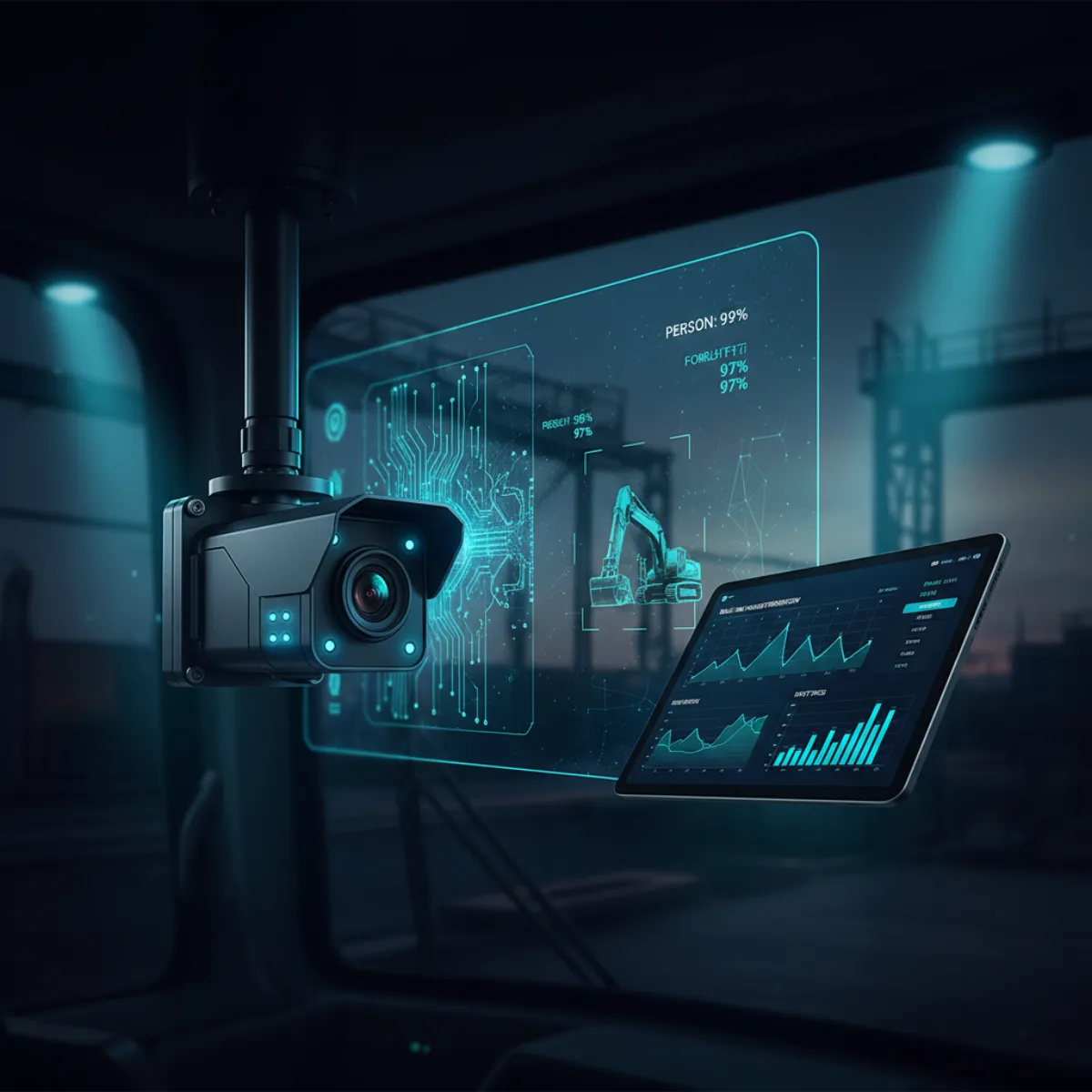
Modern computer vision processes thousands of facial micro-expressions per second, generating structured data that feeds predictive ML models. This technology identifies fatigue detection patterns invisible to human observation, creating measurable competitive advantages.
Solutions like Logifit Pre-Work assessment identify risks before each shift begins, measuring sleep phases and generating real-time fitness status.
PERCLOS (Percentage of Eye Closure)
Key computer vision metric measuring eyelid closure percentage. Values >15% indicate critical fatigue, triggering automatic alerts in predictive analytics systems.
State-of-the-art ML models simultaneously process multiple biometric variables: eye movements, head position, blink frequency, and micro-expressions. This integration enables predictive analytics with 89% precision according to NIOSH 2024 validations.
Critical Data: Fatigued operators have 2.5x higher accident probability during night shifts (MSHA 2024)
| Technology | Detection Accuracy | Response Time |
|---|---|---|
| Computer Vision + ML | 98.7% | <300ms |
| Traditional Sensors | 76.3% | 2-5s |
| Manual Inspection | 54.1% | Variable |
ML Models: Optimizing Predictive Fatigue Detection
Specialized ML models for fatigue detection utilize deep learning algorithms to identify complex patterns in operational behavior. These neural networks continuously learn, improving predictive analytics through constant feedback.
Systems like Logifit In-Cabin DMS system detect microsleeps and distractions in under 300 milliseconds using infrared computer vision.
Ensemble Learning
ML models technique combining multiple algorithms to maximize fatigue detection precision. Reduces false positives by 67% versus single models.
Modern ML models architecture includes specialized layers: facial detection, behavioral analysis, temporal correlation, and risk prediction. This structure enables predictive analytics that anticipate fatigue 15-30 minutes before critical manifestation.
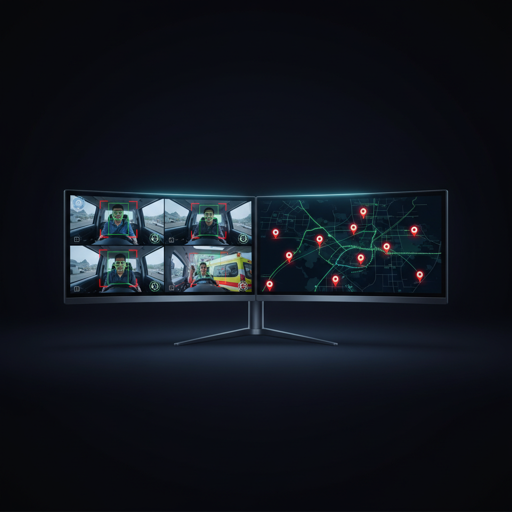
- Multi-Spectral Computer Vision: Detects fatigue under variable lighting conditions, maintaining >95% accuracy
- Federated ML Models: Learn locally without compromising privacy, improving site-specific predictive analytics
- Edge Computing: Processes fatigue detection locally, reducing latency and connectivity dependencies
Rapid Predictive Analytics Implementation with Computer Vision
Implementation speed determines ROI in industrial computer vision projects. Pre-trained ML models enable 48-72 hour deployment, accelerating fatigue detection and predictive analytics benefits. (Source: NIST — Artificial Intelligence)
Tools like Logifit Ops Platform integrate biometric data, DMS alerts, and predictive analytics in a centralized dashboard.
Transfer Learning
Technique adapting existing ML models to new operational environments. Reduces training time by 80% while maintaining computer vision accuracy.
- Infrastructure Assessment: Evaluate existing computational capacity for computer vision and ML models
- Hardware Installation: Deploy specialized cameras and edge processing units for fatigue detection
- ML Models Configuration: Calibrate predictive analytics algorithms according to specific operational conditions
- Accuracy Validation: Verify computer vision through controlled testing and performance metrics
- Systems Integration: Connect predictive analytics with existing management platforms
Key Fact: Successful computer vision implementations achieve positive ROI in 6-8 months (ISO 45001 2024 studies)
Organizations implementing computer vision with advanced ML models achieve 340% ROI in the first year through reduced incident rates and operational optimization, according to ICMM 2024.
Critical Metrics for Evaluating Safety Predictive Analytics
Specific KPIs quantify computer vision and ML models effectiveness in fatigue detection. These metrics guide continuous predictive analytics optimization and justify technology investment.
Precision-Recall Trade-off
Critical ML models balance between detecting all fatigue cases (recall) and minimizing false alarms (precision). Site-specific optimization maximizes computer vision effectiveness.
Operational metrics include system response time, detection accuracy, incident reduction, and user satisfaction. Effective predictive analytics demonstrate quantifiable improvements across all these dimensions simultaneously.
- Mean Time to Detection (MTTD): Average fatigue detection identification time, target <300ms
- False Positive Rate (FPR): Percentage of incorrect computer vision alerts, goal <5%
- Incident Prevention Rate (IPR): Accidents prevented through predictive analytics, objective >90%
- System Uptime: ML models and computer vision availability, standard 99.5%
| KPI | Baseline Value | With Computer Vision |
|---|---|---|
| Fatigue Detection Time | 5-15 minutes | <300ms |
| Identification Accuracy | 60-70% | 98.7% |
| Incident Reduction | Baseline | 87-98% |
Computer vision doesn't replace human judgment; it amplifies our capacity to make informed decisions based on data that exceeds natural perception.
— David Chen, AI Safety SpecialistROI and Strategic Implementation of Industrial Computer Vision
Investment return in computer vision and ML models depends on site-specific factors: operational volume, current incident costs, applicable regulations, and existing infrastructure. Predictive analytics generate value through prevention, not just detection. (Source: OSHA — Safety Management Systems)
For more on this topic, see our article on related AI technology strategies.
Total Cost of Ownership (TCO)
Comprehensive computer vision cost analysis: hardware, software, training, maintenance, and ML models updates. Enables objective comparison versus traditional fatigue detection methods.
Successful organizations integrate computer vision as a safety ecosystem component, not an isolated solution. This systemic approach maximizes synergies between predictive analytics, operational procedures, and organizational safety culture.
Accelerate Your Computer Vision Implementation
Logifit combines advanced computer vision with specialized ML models for fatigue detection, delivering predictive analytics that reduce accidents by 98% in <300ms.
Request Demo →The evolution toward computer vision-based predictive analytics represents a paradigmatic transformation in industrial risk management. Current ML models exceed human pattern detection capabilities while maintaining interpretability necessary for critical safety decisions.
Organizations implementing computer vision today position their operations to meet future regulations while generating measurable competitive advantages. Predictive analytics aren't a technology trend; they're a strategic imperative for sustainable and safe industrial operations in 2025 and beyond.