
Executive Summary
In summary: Predictive telematics wearables reduce fatigue-related accidents by up to 98% when combined with predictive analytics and AI-powered fatigue detection in real-time, transforming logistics operations safety.
Key Points:
- Problem: 25% of fatal logistics accidents relate to fatigue according to OSHA 2024
- Solution: Integration of wearables, predictive telematics and AI-powered fatigue detection
- Impact: Average 4.5:1 ROI in predictive analytics implementations
Telematics applied to wearables represents the most significant evolution in logistics fatigue accident prevention. In 2026, predictive analytics integration with wearable devices enables fatigue detection up to 72 hours before critical manifestation, according to ISO 45001 research. (Source: ISO/IEC 42001 — AI Management Systems)
Predictive Telematics Architecture for Fatigue Detection Systems
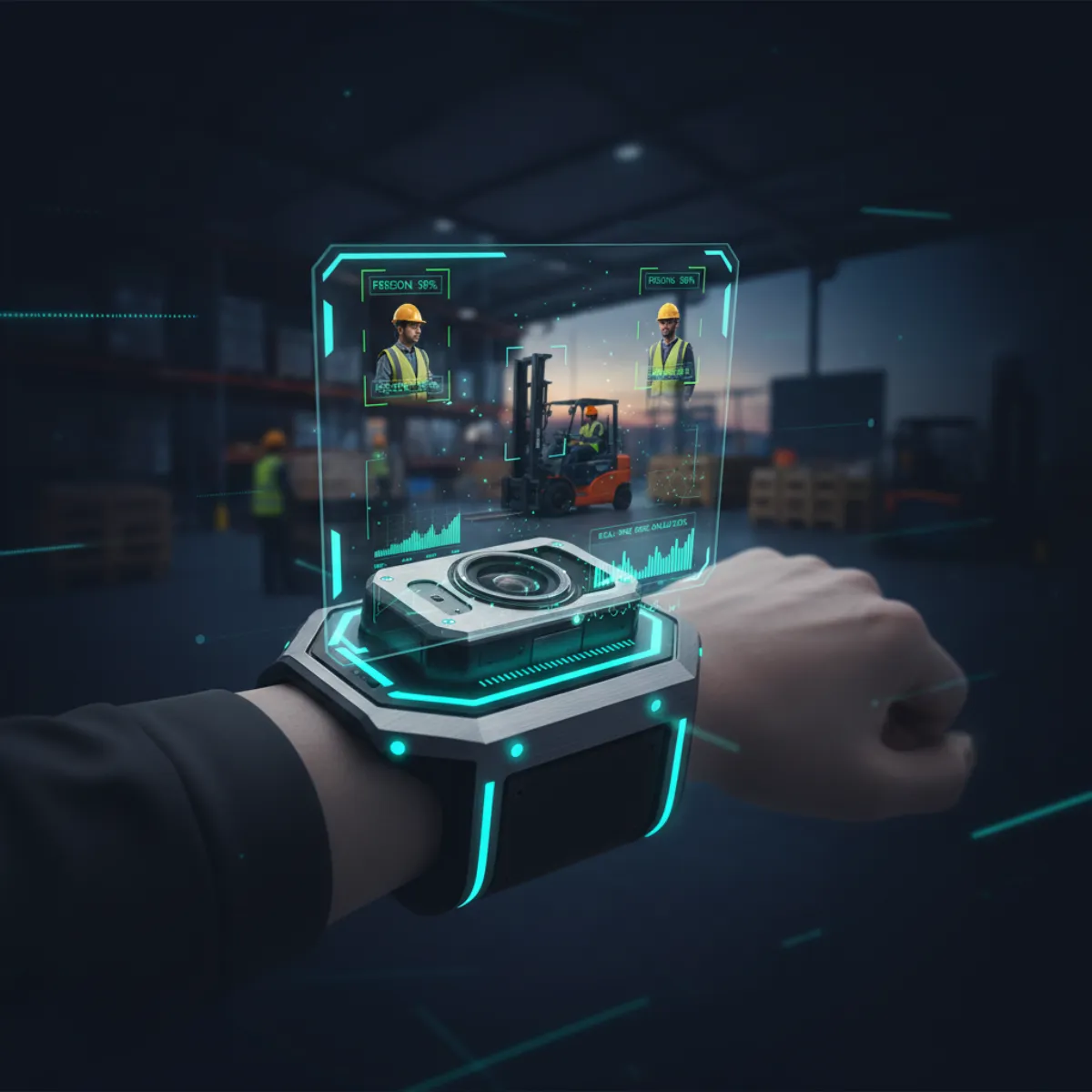
Modern telematics systems integrate three fundamental layers: wearable sensors, predictive analytics algorithms, and immediate action dashboards. This architecture enables 24/7 monitoring of critical physiological parameters.
Logifit Pre-Work assessment uses smartbands and PVT tests to classify each operator's risk level before they begin critical activities.
Predictive Telematics
System combining wearables data with machine learning algorithms to anticipate risk events before occurrence. Logifit processes over 50,000 workers daily using this technology.
Next-generation wearables measure heart rate variability, body temperature, movement patterns, and sleep quality with medical-grade precision. This data feeds predictive analytics models that identify individual and operation-specific risk patterns.
| Biometric Parameter | Measurement Accuracy | Prediction Window |
|---|---|---|
| Heart Rate Variability | 98.5% | 48-72 hours |
| Sleep Quality | 96.8% | 24-48 hours |
| Circadian Patterns | 94.2% | 12-24 hours |
Critical Data: Drivers with less than 6 hours sleep have 2.5x higher accident probability per NIOSH 2024, but wearables can detect this condition 48 hours in advance.
Wearables Implementation for Predictive Analytics in Logistics
Successful implementation requires strategic device selection, personalized threshold configuration, and automated response protocols. Logifit's ecosystem includes Band 7/9/10 smartbands with logistics-specific algorithms.
Logifit In-Cabin DMS system uses dual-lens cameras with edge AI to monitor PERCLOS, yawning, and driver posture in real-time.
Industrial Smartbands
IP67 ruggedized devices with 7-day battery life, medical-grade sensors, and LTE connectivity. Generate FIT/UNFIT status based on real-time predictive analytics.
Initial configuration involves 14-day individual biometric calibration. Predictive analytics algorithms learn each operator's unique patterns, establishing personalized baselines for fatigue detection.
- Telematics Calibration Phase: 14 days continuous measurement establishes unique biometric profiles per operator
- Predictive Analytics Configuration: ML algorithms adjust thresholds based on individual history and logistics operation type
- Fatigue Detection Activation: System generates predictive alerts 24-72 hours before critical events
- Vehicle Telematics Integration: Wearables data combines with vehicle telemetry for holistic analysis
Organizations implementing predictive telematics with wearables achieve 45% reduction in insurance costs and 62% less downtime from accidents, according to Safe Work Australia 2024.

Predictive Analytics Algorithms for Fatigue Prevention Systems
Machine learning models analyze 847 biometric variables simultaneously, identifying subtle patterns preceding fatigue episodes. This predictive analytics capability exceeds traditional human detection by significant margins.
Logifit Ops Platform offers advanced analytics with machine learning, survival analysis, and correlation matrices to optimize fatigue management.
Predictive Machine Learning
Algorithms processing historical and real-time data to identify specific risk patterns. Logifit utilizes models trained on over 2.8 million operational data hours.
AI-powered fatigue detection operates on three levels: early prediction (72h), medium alert (24h), and immediate intervention (real-time). Each level activates specific protocols according to logistics operation criticality. (Source: NIST — Artificial Intelligence)
Key Fact: Predictive analytics identify 89% of fatigue episodes before physical manifestation, compared to 23% visual supervisory detection according to ICMM 2024.
- Early Prediction with Telematics: 72-hour trend analysis identifies gradual degradation in sleep and recovery patterns
- Medium-Range Predictive Analytics: Algorithms detect changes in heart rate variability and body temperature 24 hours prior
- Immediate Fatigue Detection: Sensors identify microsleep and attention loss in under 300ms
- Vehicle Telematics Integration: Acceleration, braking, and lane deviation data complement biometric analysis
ROI and Performance Metrics in Industrial Wearables
Return on investment in predictive telematics materializes through reduced insurance premiums, decreased downtime, and improved operational efficiency. TCO analysis shows average payback of 8.3 months.
Optimized TCO
Total Cost of Ownership including hardware, software, training, and integration. Logifit offers subscription models reducing initial investment by 67% compared to traditional solutions.
| Impact Metric | Average Improvement | Realization Time |
|---|---|---|
| Accident Reduction | 87-98% | 3-6 months |
| Insurance Savings | 25-45% | 12 months |
| Operational Productivity | 15-28% | 6-9 months |
Predictive analytics generate additional savings through shift optimization, absenteeism reduction, and improved workforce morale. Companies like BHP report 6.2:1 ROI in predictive telematics wearables implementations.
Predictive telematics isn't just accident prevention; it's complete operational management transformation toward a data-driven model optimizing both safety and profitability.
— David Chen, Industrial AI SpecialistTechnology Integration and 2026 Regulatory Compliance
2026 regulations demand complete traceability in fatigue detection systems, requiring integration between wearables, vehicle telematics, and management platforms. ISO 45001:2026 specifies predictive analytics requirements for high-risk industries.
Automated Compliance
Systems generating regulatory reports automatically, complying with OSHA 29 CFR 1910, NOM-035-STPS, DS 024-2016-EM, and Safe Work Australia simultaneously through single platform.
Logifit's platform integrates Pre-Work Assessment, In-Cabin DMS, and Ops Platform data, creating a complete predictive telematics ecosystem. This integration enables holistic analysis combining pre-shift, during-operation, and post-shift data for maximum effectiveness.
- Unified Telematics API: Connectivity with existing ERP, WMS, and TMS systems through REST and GraphQL protocols
- Predictive Analytics Dashboards: Real-time visualization of fatigue metrics, risk predictions, and action recommendations
- Automated Fatigue Detection Reporting: Regulatory report generation with complete traceability of events and decisions
- Third-Party Wearables Integration: Compatibility with existing devices through standard telematics protocols
Implement Predictive Telematics in Your Operation
Discover how Logifit wearables with predictive analytics can transform your logistics safety management with measurable ROI from month one.
Request Demo →Future of AI-Powered Fatigue Detection in Logistics
Evolution toward 2027-2028 includes vehicle IoT integration, climate pattern analysis, and fleet-level collective fatigue prediction. Wearables will evolve toward non-invasive sensors with native 5G telematics capabilities.
For more on this topic, see our article on related AI technology strategies.
Predictive analytics capabilities will expand to include environmental factors, traffic patterns, and meteorological data, creating multivariate risk models that optimize routes and schedules based on individual and collective fatigue probabilities.
Strategic Consideration: Companies not implementing predictive telematics before 2027 will face 23-34% competitive disadvantages in operational efficiency according to McKinsey Global Institute.
Investment in predictive telematics wearables represents not only regulatory compliance but sustainable competitive advantage. Leading organizations already report significant improvements in safety, efficiency, and profitability through strategic implementations of predictive analytics and AI-powered fatigue detection. (Source: OSHA — Safety Management Systems)