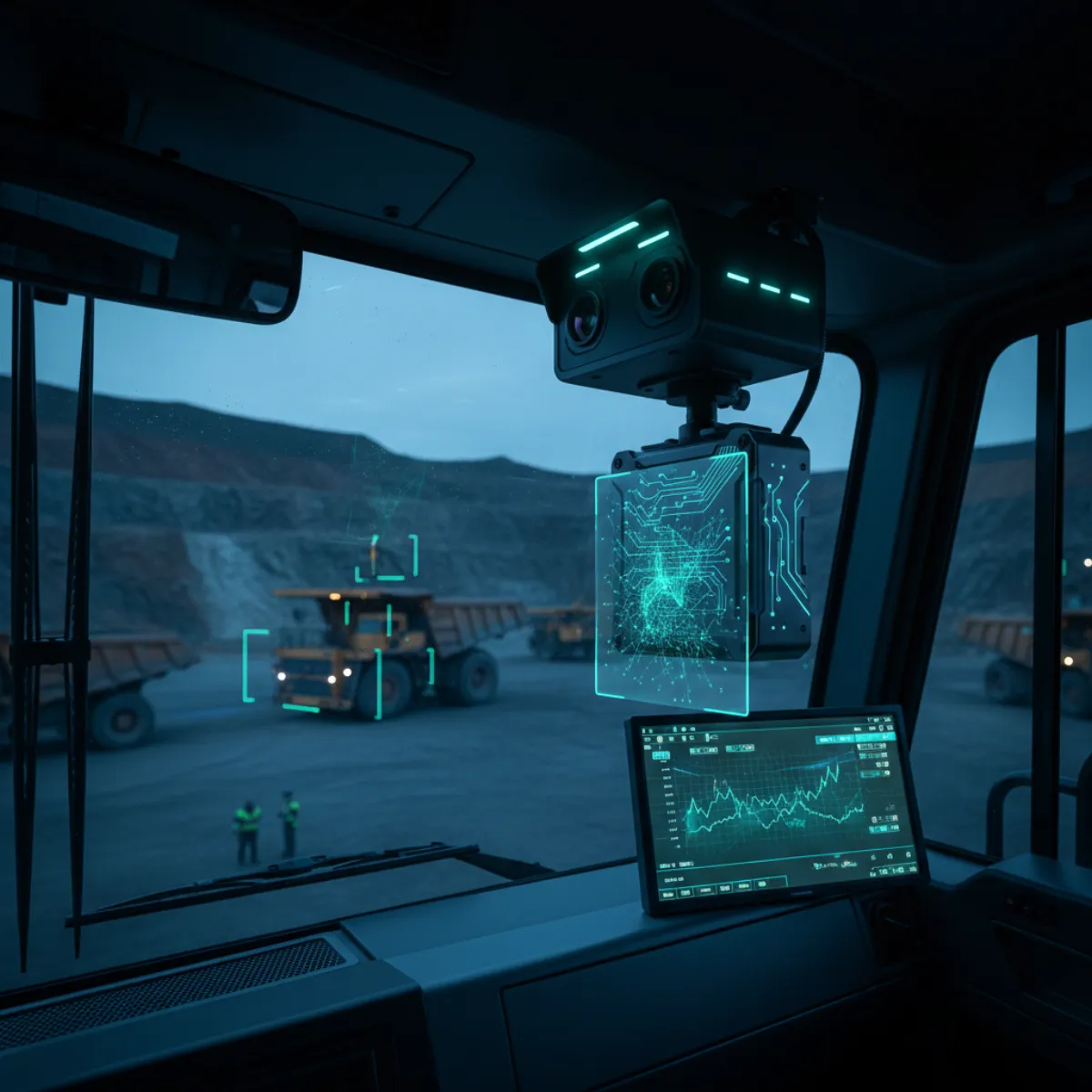

Executive Summary
In summary: Computer vision integrated with telematics and wearables delivers real-time fatigue detection, ensuring SG-SST compliance while reducing workplace accidents by up to 98% in Latin American mining operations.
Key Points:
- Problem: Fatigue causes 43% of fatal mining accidents (ICMM 2024)
- Solution: AI ecosystem combining computer vision, telematics and wearables for comprehensive prevention
- Impact: 98% fatigue accident reduction with positive ROI within 8 months
Computer vision represents the most advanced evolution in mining fatigue detection, combining artificial intelligence algorithms with vehicle telematics and wearables to create comprehensive SG-SST systems that prevent accidents before they occur.
Computer Vision vs Traditional Fatigue Detection Methods
Computer vision significantly outperforms traditional monitoring methods. While visual inspections detect fatigue when already critical, computer vision identifies microsleep episodes in under 300ms. (Source: ISO/IEC 42001 — AI Management Systems)
PERCLOS Analysis
Percentage of Eye Closure measures eyelid closure percentage per minute. Computer vision analyzes 30 frames per second, detecting fatigue patterns imperceptible to human observers.
| Method | Detection Time | Accuracy | 24/7 Coverage |
|---|---|---|---|
| Computer Vision | < 300ms | 98.5% | Yes |
| Wearables | 2-5 minutes | 85% | Yes |
| Basic Telematics | 10-30 seconds | 70% | Limited |
Critical Data: Fatigued operators are 2.9 times more likely to suffer serious accidents according to NIOSH, representing average costs of USD $1.2M per mining incident.
Computer vision integration with vehicle telematics enables correlation between driver behavior and erratic driving patterns, creating predictive alerts before critical events occur.
Telematics Implementation with Computer Vision in SG-SST Systems
Modern telematics transcends simple GPS tracking, integrating IoT sensors, computer vision and wearables into complete SG-SST ecosystems that comply with specific Latin American regulations. (Source: OSHA — Safety Management Systems)
Integrated Telematic Ecosystem
Combines vehicle data (speed, braking, acceleration) with wearable biometrics and computer vision facial analysis. Multivariate correlation detects fatigue with superior precision compared to individual methods.
In compliance with Colombia's Decreto 1072 and Mexico's NOM-035-STPS, telematic systems must document psychosocial risk assessments. Computer vision automates this documentation through continuous alertness state analysis.
- Vehicle telematics integration: Real-time driving behavior monitoring correlated with fatigue alerts
- Wearables synchronization: Sleep and heart rate data complement visual analysis for more precise predictions
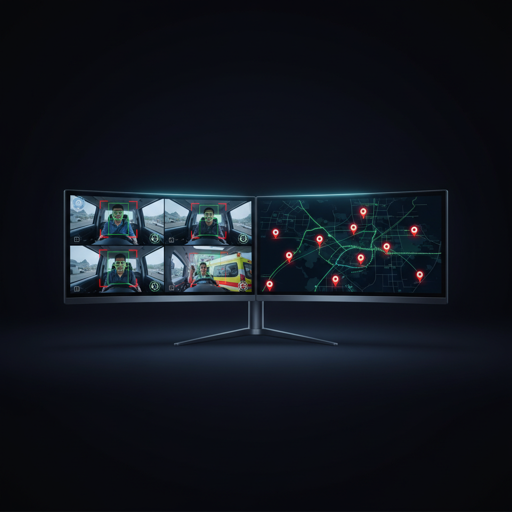
- Centralized dashboard: Unified telematics presents SG-SST metrics in single interface for supervisors
- Escalated alerts: From subtle vibrations to automatic stops based on detected risk level
Key fact: Organizations integrating telematics with computer vision report 67% fewer false positives compared to single detection systems (Safe Work Australia 2024).
Wearables as Computer Vision Complement in Mining
Wearables provide continuous biometric data that enriches computer vision precision, creating redundant and more reliable fatigue detection systems.
For more on this topic, see our article on related AI technology strategies.
Next-generation smartbands measure REM sleep phases, heart rate variability and body temperature. This information, processed by machine learning algorithms, predicts high-fatigue probability periods before work shifts.
Pre-Work Assessment with Wearables
Before shift entry, wearables generate FIT/UNFIT status based on sleep quality from the last 8 hours. Computer vision validates this assessment during operations.
- Nocturnal monitoring: Wearables record sleep patterns, identifying interruptions and insufficient REM phases
- Mobile PVT testing: Psychomotor Vigilance Test on smartphones measures reaction time as objective alertness indicator
- Biometric correlation: Heart rate, temperature and skin conductivity complement facial analysis
- ML prediction: Algorithms process biometric history to predict personalized risk windows
Operations combining wearables with computer vision achieve 94% accuracy in fatigue prediction, superior to 78% from individual methods according to ICMM.
Logifit's pre-work assessment integrates wearable data with cognitive testing, generating automatic shift assignment recommendations based on actual alertness state.
ROI and SG-SST Regulatory Compliance in Latin America
Computer vision implementation with telematics and wearables demonstrates positive return on investment within 6-12 months, considering reduced insurance premiums, avoided fines and improved productivity.
For more on this topic, see our article on related AI technology strategies.
In Mexico, NOM-035-STPS requires psychosocial risk factor assessment including fatigue. Computer vision automates this continuous evaluation, reducing external consulting costs by 60-80%.
Automated Compliance
AI systems generate automatic reports for SUNAFIL (Peru), STPS (Mexico) and Ministry of Labor (Colombia), documenting implemented preventive measures and their measurable effectiveness. (Source: NIST — Artificial Intelligence)
| Benefit | Annual Savings (USD) | Implementation Time |
|---|---|---|
| Accident reduction | $890,000 | 2-3 months |
| Insurance premiums (-25%) | $340,000 | 12 months |
| Avoided fines | $180,000 | 6 months |
- DS 024-2016-EM (Peru): Computer vision automatically documents required occupational medical evaluations
- Decreto 1072 (Colombia): Telematics dashboards facilitate SG-SST audits with real-time metrics
- Ley 29783 (Peru): AI systems provide objective evidence of implemented training and preventive measures
Computer Vision Implementation for Fatigue Detection
Discover how Logifit's ecosystem integrates computer vision, telematics and wearables to create SG-SST solutions that comply with Latin American regulations while reducing accidents up to 98%.
Request Demo →Phased Implementation Strategies for Mining Operations
Successful computer vision deployment with telematics requires phased implementation, starting with critical equipment and gradually expanding based on measurable results and available budget.
Intelligent integration of computer vision, telematics and wearables isn't the future of mining safety - it's the present for organizations committed to zero accidents.
— Roberto Martinez, Industrial Safety SpecialistPhase 1 should focus on high-risk vehicles: haul trucks, front loaders and drill rigs. These units represent 70% of fatigue accidents according to ICMM statistics.
- Controlled pilot (30 days): Computer vision in 5-10 critical vehicles with complete DMS system
- Departmental expansion (90 days): Integrated telematics across entire heavy transport fleet
- Wearables integration (120 days): Smartband deployment for monitored equipment operators
- Unified platform (180 days): Centralized dashboard with predictive analytics
Critical Data: Implementations that skip pilot phases have 3.2 times higher probability of operator rejection and 45% less protocol adherence (NIOSH 2024).
Training must precede technology. Operators who understand how computer vision improves their personal safety show 89% higher adherence vs implementations imposed without explanation.
For organizations with limited budgets, phased financing models allow computer vision implementation paying with savings generated from accident reduction. Logifit offers flexible plans adapted to Latin American economic realities, with guaranteed ROI in first implementation phase.