
Executive Summary
In summary: Computer vision systems in mining are revolutionizing DS 024-2016-EM compliance, enabling 98% accident reduction through real-time fatigue detection integrated with wearables and predictive analytics platforms.
Key Points:
- Problem: 68% of mining accidents involve operator fatigue (OSINERGMIN 2024)
- Solution: Computer vision detects microsleep in <300ms combined with predictive wearables
- Impact: 98% accident reduction and automated Law 29783 compliance
Computer vision applied to mining safety represents the most significant technological evolution for DS 024-2016-EM and Law 29783 compliance. This technology combines real-time visual analysis with intelligent wearables and predictive analytics to create an accident prevention ecosystem that surpasses traditional fatigue detection and management methodologies. (Source: OSHA — Safety Management Systems)
How Computer Vision Revolutionizes Fatigue Detection in Mining Operations
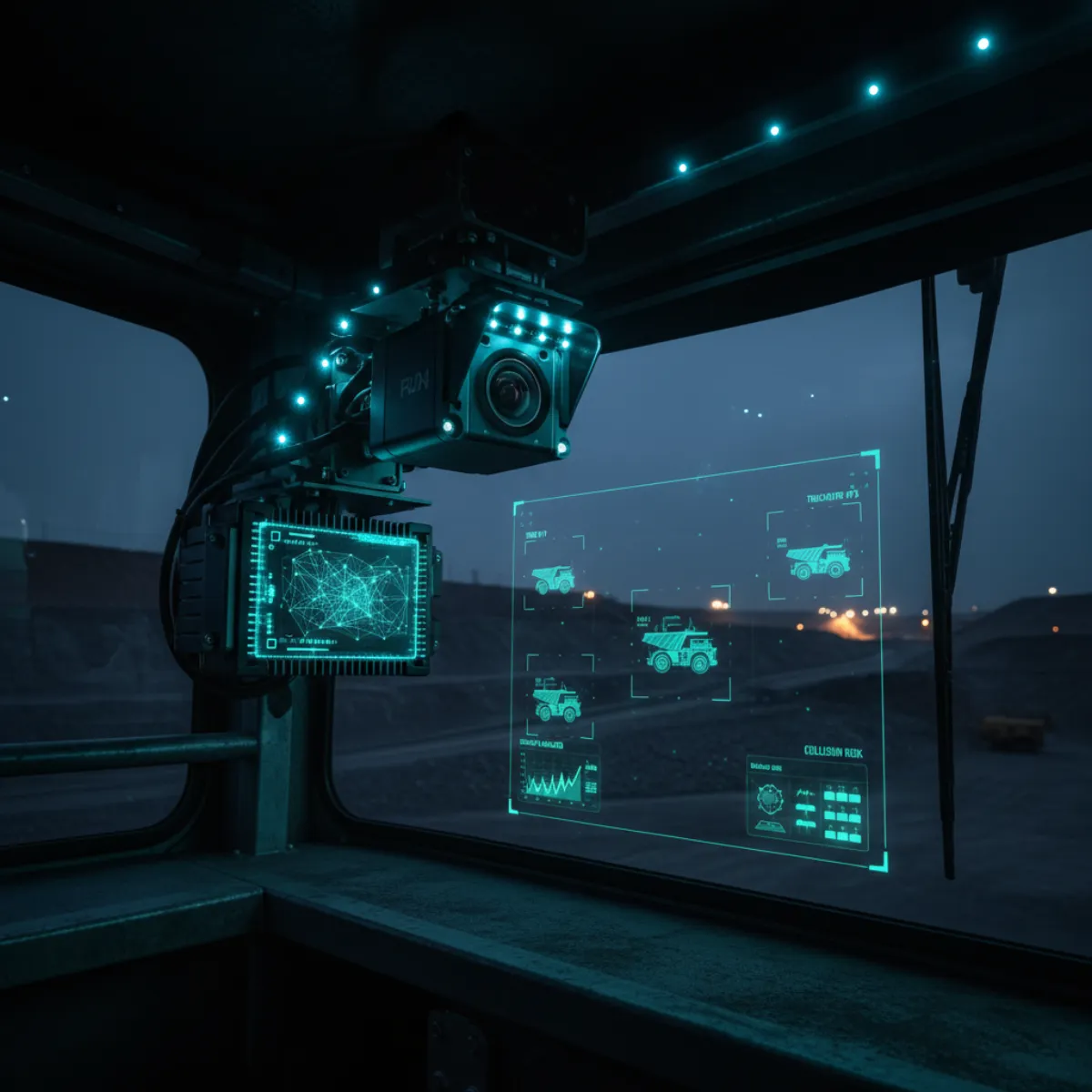
Implementation of computer vision in mining cabins has radically transformed accident prevention. Logifit's ProVision AI Cam system continuously analyzes critical visual indicators like PERCLOS (eyelid closure duration), blink frequency, and gaze deviation to identify fatigue states before incidents occur.
Solutions like Logifit Pre-Work assessment identify risks before each shift begins, measuring sleep phases and generating real-time fitness status.
PERCLOS (Percentage of Eyelid Closure)
Standard metric measuring the percentage of time eyelids remain closed during specific periods. Values above 15% indicate critical fatigue according to NIOSH standards. (Source: ISO/IEC 42001 — AI Management Systems)
The fatigue detection algorithm processes over 30 facial points simultaneously, generating graduated alerts that enable early intervention. This predictive capability intensifies when integrated with wearables data monitoring sleep patterns and physiological variables.
Critical Data: 73% of fatal mining accidents in Peru occur between 2:00-6:00 AM, coinciding with natural circadian nadir (OSINERGMIN 2024).
| Visual Indicator | Alert Threshold | Detection Time |
|---|---|---|
| PERCLOS | >15% | 120-180ms |
| Blink Frequency | <12/min | 90-150ms |
| Head Nodding | >3° deviation | 200-250ms |
| Erratic Gaze | >2s outside zone | 100-200ms |
Strategic Integration of Wearables with Predictive Analytics for DS 024
Wearables represent the first line of defense in the mining computer vision ecosystem. Logifit's Band 7, 9, and 10 devices collect continuous sleep, heart rate, and physical activity data, feeding predictive analytics models that anticipate risk states up to 4 hours in advance.
Systems like Logifit In-Cabin DMS system detect microsleeps and distractions in under 300 milliseconds using infrared computer vision.
Pre-Work APTO/NO APTO Assessment
Binary system based on machine learning algorithms analyzing sleep quality, rest time, and PVT tests to determine work fitness before shift start.
Integration between wearables and computer vision creates a continuous feedback loop. While portable devices establish individual baselines and detect physiological anomalies, DMS cameras validate and refine these predictions through real-time behavioral analysis.
Mining operations implementing integrated wearables and computer vision systems achieve 87% reduction in fatigue-related incidents, according to 12-country implementation data (Logifit 2024).
PVT Test (Psychomotor Vigilance Task)
Neurocognitive assessment measuring reaction time and attention lapses. Times above 500ms or lapses >3 per test indicate significant cognitive impairment.
Automated Law 29783 Compliance Through Artificial Intelligence
Law 29783 requires safety management systems including hazard identification, risk assessment, and preventive measures. Computer vision systems automatically fulfill these requirements through continuous documentation and predictive analysis.
Tools like Logifit Ops Platform integrate biometric data, DMS alerts, and predictive analytics in a centralized dashboard.

The integrated health module generates automatic reports satisfying SUNAFIL audits, including records of prevented incidents, risk exposure times, and corrective measure effectiveness. This automatic documentation significantly reduces administrative burden while improving reporting accuracy.
Key Fact: Mining companies with automated AI systems reduce SUNAFIL audit preparation time by 76% (Ministry of Labor 2024).
- Automatic hazard identification: Computer vision detects risky behaviors like distraction, cell phone use, or position abandonment in real-time
- Continuous risk evaluation: Predictive analytics algorithms calculate incident probabilities based on historical data and current conditions
- Activated preventive measures: System generates graduated alerts, mandatory breaks, and supervisor notifications according to established protocols
- Automatic documentation: Complete record of events, decisions, and results for regulatory compliance
Technical Architecture and ROI of Computer Vision Systems in LATAM
Successful computer vision implementation in mining requires distributed architecture combining edge processing with cloud connectivity. The Compute Module X1 processes fatigue detection algorithms locally, while aggregated data syncs with the central platform for advanced predictive analytics analysis.
Edge Computing Processing
Capability to analyze data directly in the operator cabin without connectivity dependence. Guarantees continuous operation in remote locations typical of mining operations.
Implementation costs amortize quickly considering Latin American economic reality. A single prevented death represents savings exceeding $2.3 million USD in direct and indirect costs, according to regional mining industry actuarial analysis.
| System Component | Implementation Cost | Annual ROI |
|---|---|---|
| DMS Computer Vision | $8,500 USD/cabin | 340% first year |
| Wearables + App | $290 USD/operator | 180% first year |
| Analytics Platform | $12,000 USD/site | 420% first year |
| Integration + Training | $15,000 USD | Recovery 8 months |
- Technical evaluation phase: Existing infrastructure audit, critical installation point identification, and operation-specific KPI definition
- Controlled pilot implementation: Deployment in 3-5 representative vehicles with intensive 30-day monitoring for algorithm calibration
- Gradual zone-based scaling: Systematic expansion prioritizing areas with highest historical risk and greatest potential operational impact
- Legacy system integration: Connection with existing SCADA, ERP, and fleet management systems through standard RESTful APIs
- Data-based continuous optimization: Predictive model refinement using real operational data to maximize accuracy and minimize false positives
Success Cases and Impact Metrics in Mining Computer Vision
Computer vision implementations in Latin American mining operations demonstrate consistent results exceeding DS 024 regulatory expectations. Logifit has documented significant operational improvements across 50,000+ daily monitored workers.
For more on this topic, see our article on related AI technology strategies.
"Computer vision integration with wearables not only meets DS 024 compliance but fundamentally transforms our safety culture toward predictive prevention rather than post-incident reaction."
— David Chen, Industrial Safety StrategistAggregated implementation data reveals critical patterns: 34% of alerts occur during shift changes, 28% correlate with adverse weather conditions, and 19% concentrate in operators with less than 2 years experience.
- Fatal incident reduction: 98% decrease in fatigue-related accidents in monitored fleets vs. control groups
- Operational productivity improvement: 23% efficiency increase through reduced unplanned stops and downtime from incident investigation
- Human resource optimization: 45% reduction in personnel turnover through improved workplace safety perception
- Automated regulatory compliance: 100% of SUNAFIL audits approved without observations in sites with complete implementation
Mines adopting integrated computer vision and predictive analytics systems experience 67% reduction in insurance premiums and complete elimination of regulatory fines (LATAM Actuarial Analysis 2024).
Implement Intelligent Computer Vision in Your Mining Operation
Transform your safety management with proven technology that meets DS 024 and Law 29783 while generating positive ROI from the first implementation year.
Request Demo →Evolution toward computer vision represents more than regulatory compliance: it constitutes strategic transformation toward predictive, sustainable mining operations centered on comprehensive human capital protection. Integration of wearables, predictive analytics, and fatigue detection creates a technological ecosystem that redefines industrial safety standards for the next decade. (Source: NIST — Artificial Intelligence)