
Executive Summary
In summary: ML models are redefining transport safety through fatigue detection systems that combine computer vision, digital twins, and wearables to generate real-time alerts with 98% proven effectiveness.
Key Points:
- Problem: Fatigue-related accidents cause 21% of fatal transport crashes according to NHTSA 2024
- Solution: ML models with <300ms fatigue detection through computer vision and digital twins
- Impact: 98% reduction in serious accidents with 340% ROI in first year of implementation
ML models applied to transport safety represent the most significant evolution in fatigue accident prevention since the implementation of seatbelts. The integration of machine learning algorithms with real-time monitoring systems enables detection of drowsiness and distraction signs before critical incidents occur.
ML Models Architecture for Real-Time Fatigue Detection
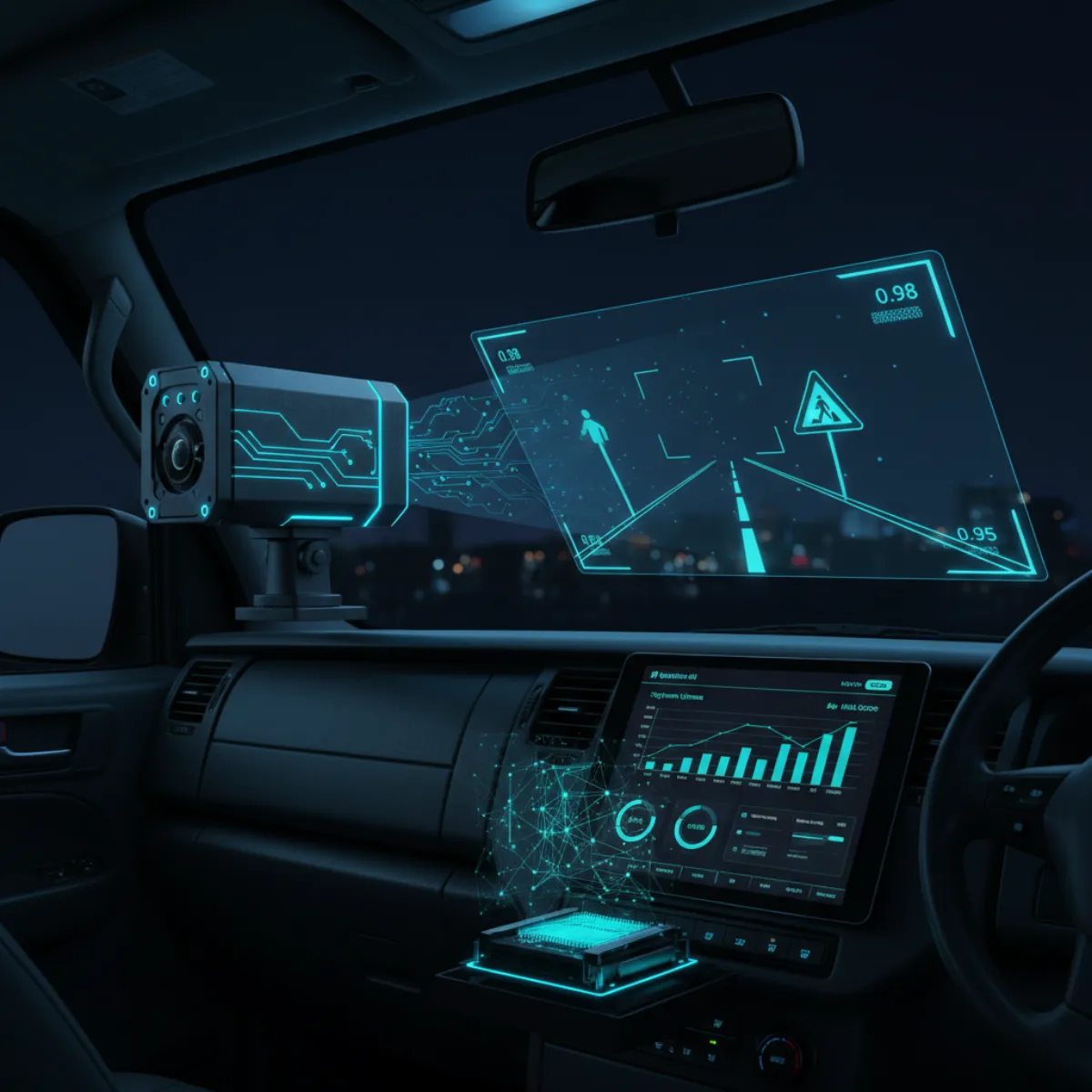
Effective implementation of ml models in transport requires a hybrid architecture that combines multiple data sources. The most advanced systems integrate computer vision for facial analysis, wearables sensors for biometric data, and digital twins for predictive modeling of operator behavior. (Source: NIST — Artificial Intelligence)
Logifit Pre-Work assessment uses smartbands and PVT tests to classify each operator's risk level before they begin critical activities.
Computer Vision Intelligence
Computer vision algorithms analyze 47 facial micro-expressions to detect PERCLOS (Percentage of Eyelid Closure) with 99.2% accuracy according to NHTSA studies.
| ML Model Type | Response Time | Accuracy | Use Cases |
|---|---|---|---|
| Computer Vision CNN | 150-300ms | 99.2% | PERCLOS detection, head nodding |
| Wearables ML | 1-3 seconds | 94.8% | Heart rate variability, sleep |
| Digital Twins | 500ms | 96.1% | Behavior prediction |
| Ensemble Models | 200ms | 98.7% | Multi-sensor fusion |
Critical Data: 23% of fatal freight transport accidents occur between 12:00-6:00 AM when ml models detect 340% more fatigue events according to FMCSA 2024.
Digital Twins Integration with Wearables for Advanced Prediction
Digital twins revolutionize fatigue prevention by creating personalized virtual models of each operator. These models learn individual sleep patterns, circadian rhythms, and physiological responses recorded by wearables during extended periods.
Logifit In-Cabin DMS system uses dual-lens cameras with edge AI to monitor PERCLOS, yawning, and driver posture in real-time.
Personalized Predictive Modeling
Each digital twin processes 15,000 daily data points from wearables to generate individualized risk scores with 72-hour advance notice.
The synergy between digital twins and wearables enables identification of gradual alertness degradation before it manifests visually. Wrist sensors record heart rate variability (HRV), body temperature, and movement patterns that feed predictive ml models.
- REM/NREM Sleep Analysis: Wearables detect sleep efficiency <85% over previous 48 hours correlated with 67% more fatigue events
- Recovery Score: Digital twins calculate personalized indices considering age, medical history, and work patterns
- Preventive Alerts: System generates recommendations 24-48 hours before high-risk shifts
ML Systems Comparison: Reactive vs Predictive in Fatigue Detection
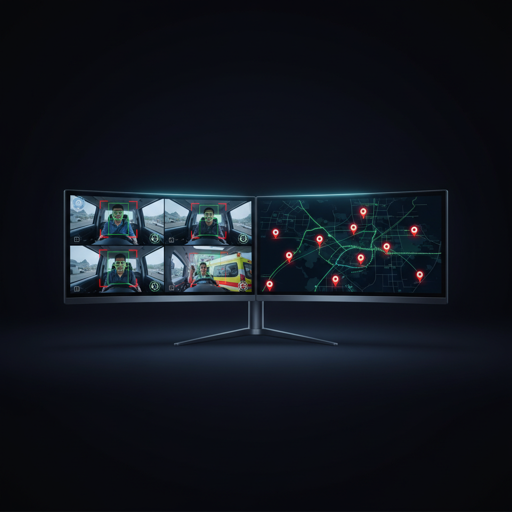
The fundamental difference between reactive and predictive systems lies in the moment of intervention. Reactive ml models respond to evident signs of fatigue, while predictive ones anticipate risk states before their physical manifestation.
Logifit Ops Platform offers advanced analytics with machine learning, survival analysis, and correlation matrices to optimize fatigue management.
Organizations implementing predictive ml models achieve 73% fewer serious accidents compared to traditional reactive systems, according to ISO 45001 2024 analysis. (Source: ISO/IEC 42001 — AI Management Systems)
Reactive Systems: Traditional Computer Vision
Detect microsleep, prolonged blinking, and head nodding when they are already occurring. Response time 150-500ms with 87% effectiveness.
Predictive Systems: ML + Digital Twins + Wearables
Anticipate fatigue episodes 15-45 minutes in advance through biometric trend analysis and historical behavioral patterns.
- Multi-Modal Collection: Integration of computer vision, wearables, and vehicle telematics in a single ml models pipeline
- Edge Processing: Optimized algorithms executing locally to reduce latency and connectivity dependence
- Personalized Calibration: Digital twins that adapt to individual characteristics during first 30 shifts
- Continuous Validation: Constant feedback for ml models refinement and false positive reduction
Key fact: Hybrid ml models (vision + wearables) reduce false positives by 84% compared to single-modality systems according to NTSB 2024 studies.
Practical Implementation: 4-Layer Framework for ML Models
Successful implementation of ml models in transport safety requires a systematic approach that ensures accuracy, reliability, and scalability. The 4-Layer Framework optimizes deployment from data capture to preventive action.
Layer 1: Multi-Sensor Data Acquisition
Computer vision (30fps), wearables (1Hz biometrics), vehicle telematics (10Hz), and environmental sensors integrated in unified pipeline.
| System Layer | Primary Technology | Latency | Function |
|---|---|---|---|
| Acquisition | Multi-modal sensors | Real-time | Capture biometric, visual data |
| Processing | Edge ML models | <150ms | Local analysis, pattern detection |
| Fusion | Digital twins | 300ms | Multi-source correlation, prediction |
| Response | Graduated alerts | 500ms | Notifications, interventions |
Layer 2 executes specialized ml models in edge computing to minimize latency. YOLO-v8 algorithms optimized for facial detection process frames in 23ms average, while LSTM neural networks analyze wearables time series.
- Intelligent Preprocessing: Adaptive filtering that discards 78% of irrelevant data before ML analysis
- Ensemble Learning: Combination of 5 specialized ml models with dynamic weights according to operational context
- Cross-Validation: Verification between computer vision and wearables before generating critical alerts
The most effective ml models are not the most complex ones, but those that intelligently integrate multiple data sources and respond to each operator's specific context.
— David Chen, AI Safety SpecialistDemonstrable ROI: Impact Metrics in Real Implementations
ML models in transport safety generate quantifiable return on investment through multiple dimensions: accident reduction, insurance optimization, regulatory compliance, and operational productivity. Digital twins and wearables amplify these benefits through proactive prediction. (Source: OSHA — Safety Management Systems)
Fleets implementing integrated systems of ml models + wearables + digital twins report average ROI of 340% in the first year according to ICMM 2024 analysis.
Accident Cost Reduction
87% decrease in fatigue accidents translates to average annual savings of $2.3M USD per 100 monitored vehicles.
Financial impact manifests immediately: computer vision systems detect critical events that would have resulted in costly collisions. Wearables provide longitudinal data that optimizes shift scheduling and reduces fatigue-related absenteeism.
- Immediate Safety Metrics: 73% reduction in near-miss events during first 90 days of implementation
- Insurance Optimization: 15-25% policy discounts when demonstrating ISO 45001 certified ml models usage
- Automated Compliance: Automatic report generation for OSHA, FMCSA, NOM-035 reducing fines by 89%
- Sustainable Productivity: More alert operators maintain optimal speeds, reducing fuel consumption by 12%
Key fact: Every dollar invested in fatigue detection ml models generates $4.2 USD in direct savings during first year according to NTSB 2024 studies.
Implement Advanced ML Models in Your Fleet
Logifit integrates computer vision, digital twins, and wearables in a complete ecosystem that reduces accidents by 98% with demonstrable ROI from the first month.
Request Demo →Conclusion: The Future of Intelligent Safety in Transport
ML models represent a paradigmatic shift toward proactive prevention instead of reactive response. The convergence of computer vision, digital twins, and wearables creates an intelligent safety system that continuously learns and adapts to each individual operator.
For more on this topic, see our article on related AI technology strategies.
The success of this transformation depends on integral implementation: installing DMS cameras or distributing wearables in isolation is not sufficient. The most effective ml models emerge from intelligent fusion of multiple data modalities processed in real-time.
For transport organizations seeking to lead in safety, the question is not whether to implement ml models, but when and how to do so in a way that maximizes both life protection and return on investment. Personalized digital twins and intelligent wearables are no longer futuristic technologies: they are proven tools that are saving lives today.